

Hoe om die Tungsten Carbide te soldeer

Hoe om die Tungsten Carbide te soldeer?
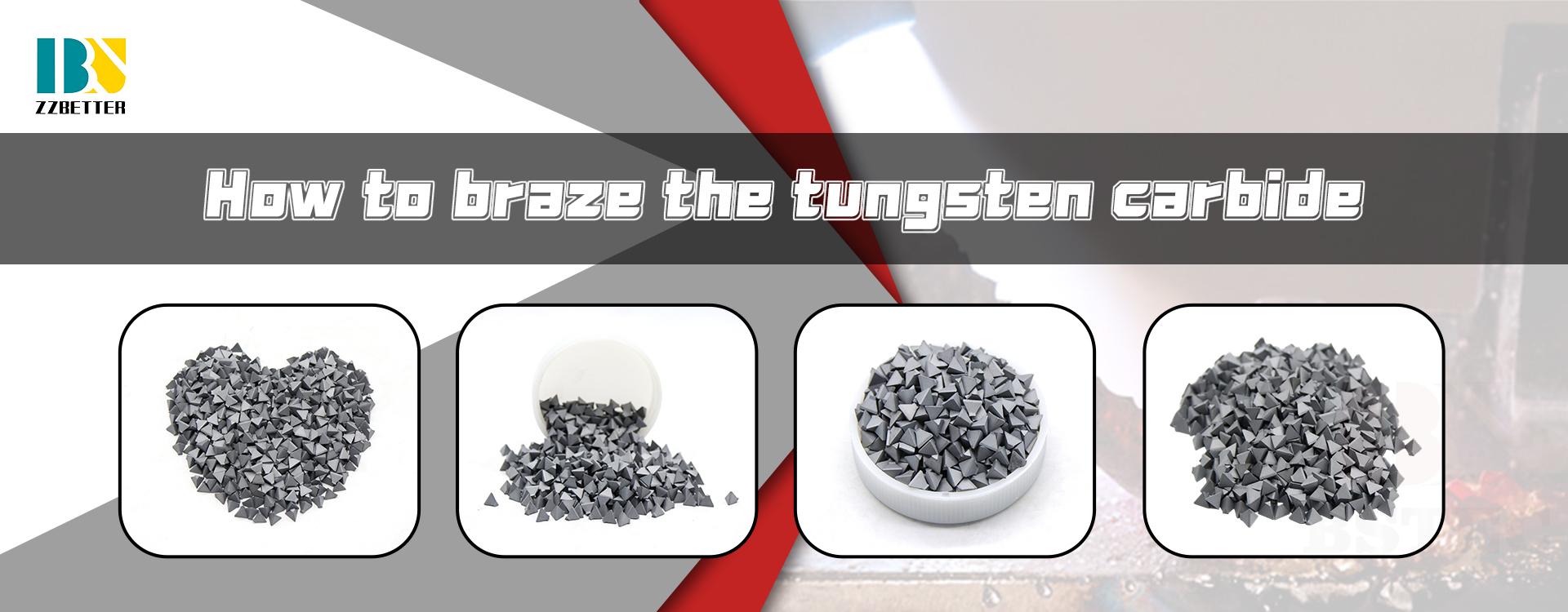
Tungsten Carbide-produkte word in baie toepassings gebruik, insluitend snygereedskap, boor, pons en talle ander toepassings. Gesementeerde karbied bied uitstekende slytasieweerstand en verleng die lewensduur van hierdie verskillende slytasie- en snygereedskap. Omdat sy hoofkomponent wolfram is, wat 'n seldsame en nie-hernubare hulpbron is, is die prys van gesementeerde karbied relatief hoog. Daarbenewens het sementkarbied 'n relatief hoë hardheid, en sy buigsterkte is baie laer as dié van ander metale, soos staal. Om hierdie twee redes moet sementkarbied op verskillende maniere aan ander metale verbind word, soos deur skroefdraadverbindings, vasklem en sweiswerk. Hierdie artikel praat oor hoe om die wolframkarbied op ander metale te soldeer.
1. Wat is wolframkarbied?
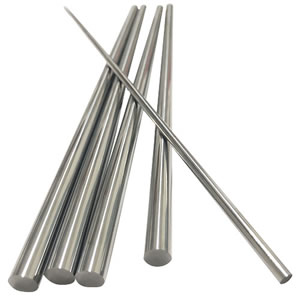
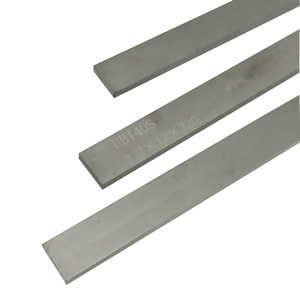
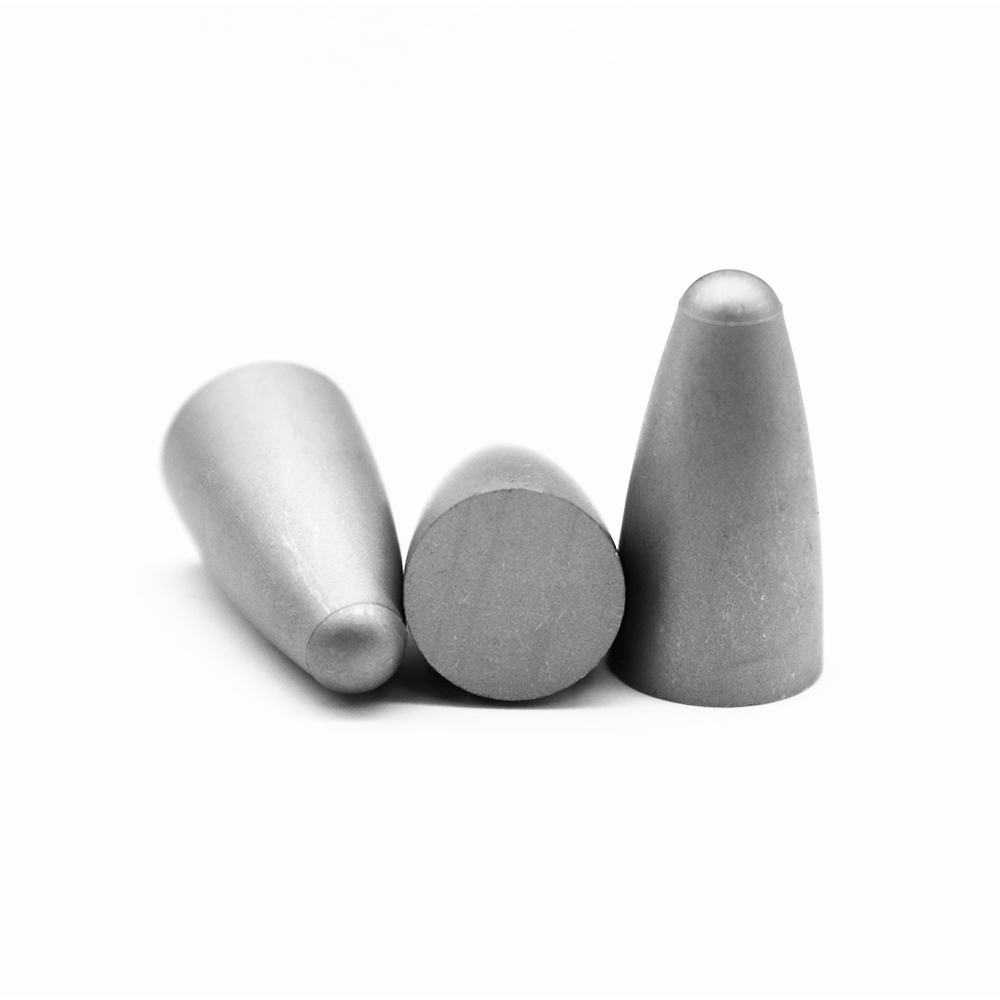
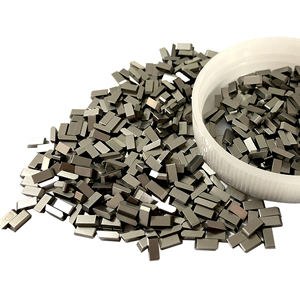
Wolframkarbied (WC), ook na verwys as gesementeerde karbied, is 'n saamgestelde materiaal wat vervaardig word deur 'n proses wat poeiermetallurgie genoem word. WC poeier word gemeng met 'n bindmiddel, gewoonlik kobalt of nikkel, gekompakteer in 'n voorvorm gereedskap, en dan gesinter in 'n oond. Die term "gesement" verwys na die wolframkarbieddeeltjies wat in die metaalbindermateriaal vasgevang word en saam "gesement" word, wat 'n metallurgiese binding vorm tussen die wolframkarbieddeeltjies en die bindmiddel (WC-Co), in die sinterproses. Die sementkarbiedbedryf verwys gewoonlik na hierdie materiaal as bloot "karbied", alhoewel die terme wolframkarbied en gesementeerde karbied uitruilbaar gebruik word. Karbied vertoon hoë druksterkte, weerstaan defleksie, en behou sy hardheidwaardes by hoë temperature, 'n fisiese eienskap wat veral nuttig is in metaalsnytoepassings.
2 . Twee punte om die sukses in die soldering van die wolframkarbied te verseker
A. Bestuur van die spanning wat deur differensiële uitsetting veroorsaak word
B. Sametrekkingstempo's van moedermateriaal en benatting van die karbied deur die soldeerlegering
Tydens verhitting en verkoeling sal die basis moedermetaal tipies uitsit en saamtrek teen 'n hoër tempo as die karbied. Wolframkarbied het 'n termiese uitsettingskoers van ongeveer 1/3 tot 1/2 dié van staal. Wanneer die gesoldeerde samestelling afkoel, kan oorblywende spanning in die karbied opbou. Stadige eenvormige afkoeling van die karbied word altyd aanbeveel om spanning en moontlike krake te vermy. Blus word nie aanbeveel nie aangesien dit krake in die karbiede kan veroorsaak as gevolg van die vinnige sametrekking van die moeder-edelmetaal.
3. Hoe om die soldeerlegering te kies
Wolframkarbied is moeilik om nat te maak. Silwer soldeerlegerings met klein toevoegings van nikkel (Ni) word tipies gebruik om karbiede tot staal te soldeer. Natuurlik moet beide die karbied en staal skoon wees sodat die gesmelte soldeerlegering die parende oppervlaktes heeltemal kan benat. Dit is nodig om die karbiedoppervlak te slyp om 'n skoon oppervlak vir soldering te skep. Slyp het ook die voordeel om die oppervlaktopografie van die karbied plat te maak, wat kan help met benatting en adhesie van soldeerlegerings. Staalkomponente sal eweneens skoongemaak moet word om enige oorblywende vet, olie, vuil of ander oppervlakbesoedeling te verwyder.
· Kommersieel beskikbare silwer soldeerlegerings met klein toevoegings van nikkel (Ni) en Mangaan (Mn) sal hardmetaaloppervlaktes maklik benat. Hierdie soldeerlegerings vertoon tipies goeie benatting van wolframkarbiede. Dit word aanbeveel om 'n soldeervulmetaal met die laagste moontlike soldeertemperatuur te kies om die oorblywende spanning binne die voeg te verminder.
Vir toepassingkatione wat die soldering van groot karbiede behels, word 'n toebroodjie-soldeerlegering dikwels gebruik. As klein karbiede (1/2 duim2) nie gebruik kan word nie, is 'n toebroodjie-legering voordelig om krake en kromming van die karbied te voorkom. Hierdie trimetale is geklee met 'n soldeervuller wat aan beide kante van 'n koperkern gebind is.
·Alhoewel baie van die bespreking oor soldering van wolframkarbied (WC) gegaan het, sou ons verkeerd wees as ons nie polikristallyne diamant of PCD noem nie. Die soldeertemperatuur vir PCD word gewoonlik onder 1382 ° F (750 ° C) gehou om agteruitgang van die diamant te vermy. Dikwels sal vervaardigers van PCD-punte vir staalliggame 'n lae-temperatuur, hoë-silwer soldeervulmetaal gebruik, soos 'n BAg-24 soldeerlegering. Sommige vervaardigers gebruik 'n soldeerlegering sonder nikkel of mangaan, soos die BAg-5 of BAg-7 soldeerlegering, met laer smelttemperature en minder benattingseienskappe van die karbied en staal.
'n Soldeervloeimiddel word gebruik om die oksidasie van die oppervlaktes wat verbind moet word tydens die verhitting van die samestelling te voorkom. Flux poeier word gebruik met die gewone silwer soldeer legerings. Swart vloeipoeier word tipies aanbeveel deur soldeer- en vloeimiddelvervaardigers aangesien dit die byvoeging van boor het en meer effektief is by hoër temperature.
Daar is verskeie soldeerlegerings wat vir karbied gebruik word. Die klassieke is BAG-3, 50% silwer met Kadmium. Dit is 'n uitstekende produk, maar dit het wel Kadmium. Algemeen gebruik is BAG-7, 56% silwer met Tin, want dit maak maklik nat; dit is egter 'n baie swak soldeerlegering, en gewrigsbreuk is algemeen met hierdie legering. Die sterkste nie-Kadmium-legering is BAG-22, 49% silwer met mangaan, maar dit is 'n bietjie gom in die vloei. BAG-24, 50% Silwer, is kadmiumvry en is 'n kompromie. Dit vloei goed, maar is sowat 40% swakker as BAG-3 en BAG-22.
Ons verkies sterk Black Flux, hoewel baie suksesvol soldeer met White Flux. In beide gevalle is dit duidelik hoë temperatuur vloede. Boonop vind ons dat gesuiwerde Black Flux beter vloei en sterker gewrigte gee as gewone Black Flux.
Die laaste area waar foute algemeen voorkom, is in gesamentlike ontwerp. Opgeleide sweisers wil gewoonlik die dele bymekaarmaak en dan 'n kraal laat loop. Wanneer hulle soldeer, wil hulle die onderdele bymekaarmaak en dan die soldeerlegering in die las vassit.
Wanneer hardmetaal gesoldeer word, is dit dikwels baie meer effektief om die kante en onderkant van die kerf te vloei, en dan stukke gevloeide legeringsdraad onder die karbied te sit. Al wat jy dan doen is om te verhit totdat die karbied op sy plek sit.
Die standaard moet wees dat die karbied breek of die staal skeur voordat die las misluk.