

Sementlənmiş karbid plitələrin fiziki xüsusiyyətlərinin təhlili

Sementlənmiş karbid plitələrin fiziki xüsusiyyətlərinin təhlili
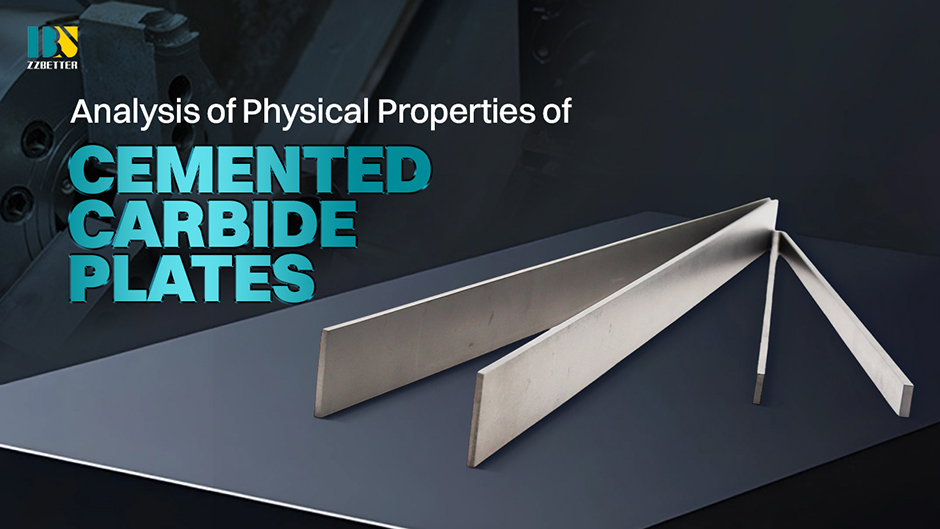
Sərt karbid fazalarından (məsələn, volfram karbid) və metal bağlayıcılardan (adətən kobalt) ibarət sementlənmiş karbid plitələr əla fiziki xassələrinə görə emal, mədənçilik və mühəndislikdə geniş istifadə olunur. Onların əsas fiziki xassələrinin ətraflı təhlili onların tətbiq dairəsini və performans üstünlüklərini başa düşmək üçün vacibdir.
1. Sıxlıq
Sıxlıq sementlənmiş karbid plitələrin əsas fiziki xüsusiyyətidir, adətən 12,0-15,0 q/sm³ arasında dəyişir. Bu yüksək sıxlıq əsasən volfram karbidində (əsas komponent) volframın yüksək atom çəkisindən qaynaqlanır. Yüksək sıxlıq plitələrə yaxşı ölçülü sabitlik bəxş edir - onlar xarici qüvvələr və ya temperatur dəyişiklikləri altında deformasiyaya daha az meyllidirlər, bu da ciddi ölçü nəzarəti tələb edən dəqiq emal alətləri üçün vacibdir. Bundan əlavə, yüksək sıxlıq plitələrin təsir müqavimətini müəyyən dərəcədə artırır, çünki sıx struktur xarici təsir enerjisini daha yaxşı udub dağıta bilir.
2. Sərtlik və aşınma müqaviməti
Sertlik sementlənmiş karbid plitələrin ən görkəmli xüsusiyyətlərindən biridir. Onların Vickers sərtliyi ümumiyyətlə 1500 HV-dən çox yüksək sürətli poladdan və digər ümumi alət materiallarından çox yüksəkdir. Bu yüksək sərtlik sərt skelet quruluşunu meydana gətirən sərt karbid fazalarına aiddir. Sərtliklə yaxından əlaqəli aşınma müqavimətidir - yüksək sərtlik, lövhələrin istifadə zamanı cızılmağa, aşınmaya və materialın yapışmasına müqavimət göstərə biləcəyini bildirir. Məsələn, metal kəsmədə sementlənmiş karbid plitələr iş parçasının materialı tərəfindən köhnəlmədən uzun müddət iti kəsici kənarları saxlayır, alətlərin xidmət müddətini əhəmiyyətli dərəcədə artırır. Bununla belə, plitələrin sərtliyini metal bağlayıcının tərkibini dəyişdirməklə tənzimləmək olar: kobalt miqdarının artırılması sərtliyi bir qədər azaldır, lakin sərtliyi yaxşılaşdırır, kobalt miqdarının azalması isə sərtliyi və aşınma müqavimətini artırır.
3. Güc və möhkəmlik
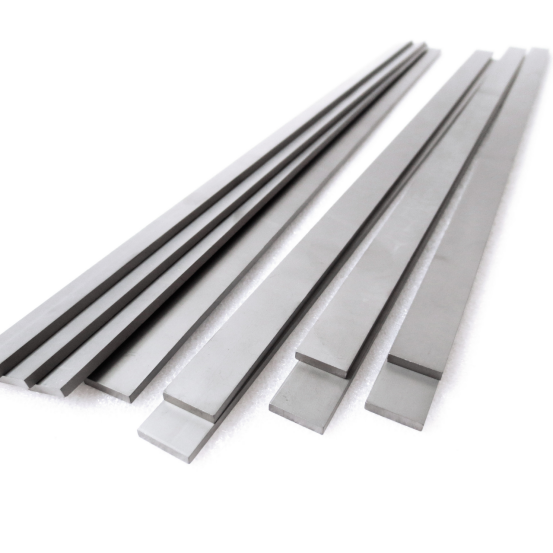
Sementlənmiş karbid plitələr olduqca sərt olsa da, onların gücü və möhkəmliyi də praktik performansın vacib göstəriciləridir. Onların eninə qırılma gücü (TRS) adətən 1500 ilə 3000 MPa arasında dəyişir, bu da emal və ya mədən əməliyyatları zamanı yüksək əyilmə qüvvələrinə tab gətirməyə imkan verir. Zərbə altında qırılmaya müqavimət göstərmək qabiliyyətinə aid olan möhkəmlik əsasən metal bağlayıcı ilə müəyyən edilir. Kobalt bağlayıcı bərk karbid dənələri arasında çevik faza əmələ gətirir və lövhə zərbəyə məruz qaldıqda çatların sürətlə yayılmasının qarşısını alır. Yüksək möhkəmlik və orta möhkəmliyin bu tarazlığı bəzi ultra sərt materiallara təsir edən kövrəklik probleminin qarşısını alır, sementlənmiş karbid plitələri həm yüksək yük, həm də təsirə meyilli iş şəraiti üçün uyğun edir.
4. İstilik genişlənmə əmsalı və istilik keçiriciliyi
Sementlənmiş karbid plitələrin istilik genişlənmə əmsalı nisbətən aşağıdır, adətən 5×10⁻⁶/°C ilə 7×10⁻⁶/°C arasındadır. Bu aşağı istilik genişlənməsi, plitələrin temperatur dəyişkənliyinə məruz qaldıqda (məsələn, sürtünmənin istilik əmələ gətirdiyi yüksək sürətli kəsmə zamanı) əhəmiyyətli ölçü dəyişikliklərinin yaşanmamasını təmin edir. Bu sabitlik emal dəqiqliyini qorumaq üçün çox vacibdir, çünki istilik deformasiyası iş parçasının ölçülərində sapmalara səbəb olacaqdır. İstilik keçiriciliyi baxımından sementlənmiş karbid plitələr orta istilik keçiriciliyinə (100-150 Vt/(m·K)) malikdir, bu da onlara yaranan istiliyi tez bir zamanda alət tutucuya və ya soyutma sisteminə ötürməyə imkan verir. Bu istilik yayılması qabiliyyəti bağlayıcı fazanı yumşalda və plitələrin sərtliyini və aşınma müqavimətini azalda bilən lokal həddindən artıq istiləşmənin qarşısını alır.
Xülasə, sementlənmiş karbid plitələrin fiziki xüsusiyyətləri - yüksək sıxlıq, əla sərtlik və aşınma müqaviməti, balanslaşdırılmış güc və möhkəmlik və sabit istilik performansı - müxtəlif sənaye tətbiqlərində onların üstün performansını birlikdə müəyyən edir. Bu xassələri başa düşmək sementlənmiş karbid plitələrin seçilməsini və istifadəsini optimallaşdırmağa, onların praktik dəyərini maksimum dərəcədə artırmağa kömək edir.