

Volfram karbid mişar ipuçları üçün qaynaq prosesini başa düşmək

Volfram karbid mişar ipuçları üçün qaynaq prosesini başa düşmək
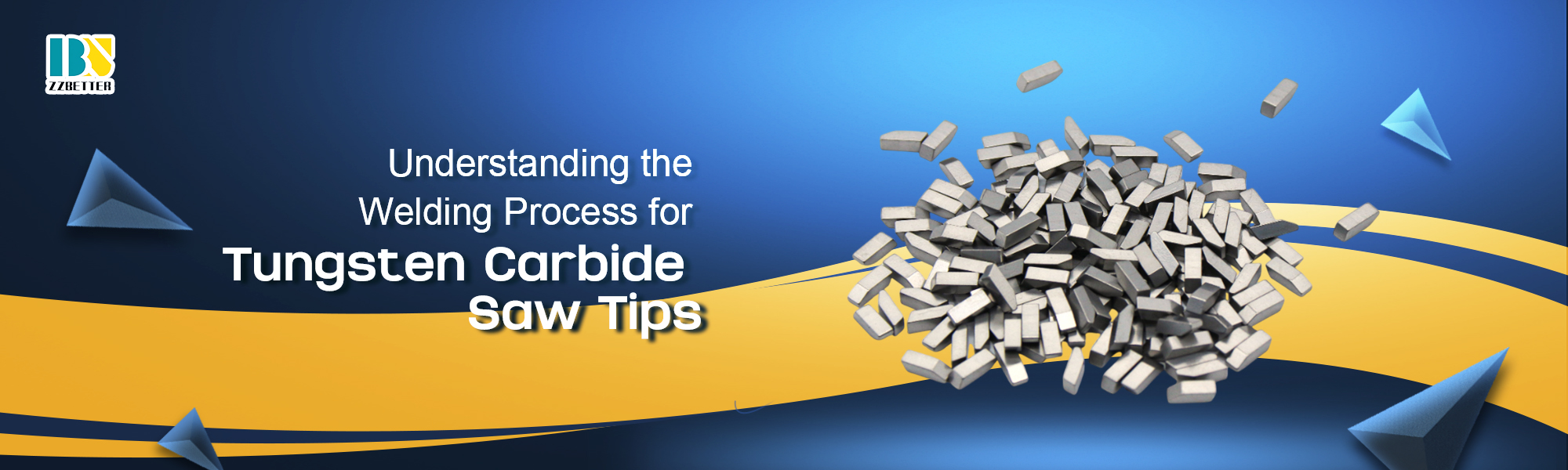
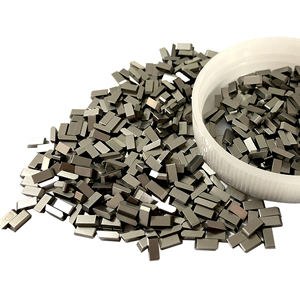
Volfram karbidinin (WC) mişar uclarının kəsici alətlərə qaynaqlanması sərt metal sənayesində mişar bıçaqlarının davamlılığını və məhsuldarlığını artıran kritik bir prosesdir. Qeyri-adi sərtliyi və aşınma müqaviməti ilə tanınan volfram karbid, müxtəlif kəsmə tətbiqlərində geniş istifadə olunur. Bu məqalə qaynaq prosesini, əsas mülahizələri və optimal nəticələr əldə etmək üçün ən yaxşı təcrübələri araşdırır.
Qaynaq işinin əhəmiyyəti
Volfram karbid uclarının mişar bıçaqlarına qaynaqlanması bir çox məqsədə xidmət edir. Bu, nəinki kəsmə səmərəliliyini artırır, həm də bıçağın ömrünü uzadır. Qaynaq prosesi, kəsmə əməliyyatları zamanı rast gəlinən mexaniki gərginliklərə tab gətirmək üçün karbid və substrat materialı, adətən yüksək sürətli polad (HSS) və ya alət çeliği arasında möhkəm bir əlaqə təmin etməlidir.
Qaynaq texnikası
Volfram karbid uclarını birləşdirmək üçün hər birinin öz üstünlükləri və məhdudiyyətləri olan bir neçə qaynaq üsulu istifadə edilə bilər. Ən ümumi texnikalara aşağıdakılar daxildir:
TIG qaynağı (volfram inert qazı):Bu üsul qaynaq sahəsini çirklənmədən qorumaq üçün istehlak olunmayan volfram elektrodundan və inert qazdan istifadə edir. TIG qaynağı, karbid uclarının zədələnməsinin qarşısını almaq üçün vacib olan istilik girişi üzərində dəqiq nəzarət təklif edir. Xüsusilə nazik materiallar üçün effektivdir və yüksək keyfiyyətli qaynaqlara imkan verir.
MIG qaynağı (metal inert qaz):MIG qaynağı elektrod kimi davamlı tel ötürülməsindən istifadə edir və həmçinin qorunmaq üçün inert qazdan istifadə edir. Ümumiyyətlə TIG qaynağından daha sürətli olsa da, eyni səviyyədə dəqiqliyi təmin etməyə bilər. Bu texnika sürətin prioritet olduğu daha böyük istehsal qaçışları üçün uyğundur.
Lazer qaynaq:Bu qabaqcıl üsul əsas materialları əritmək və bir əlaqə yaratmaq üçün fokuslanmış lazer şüalarından istifadə edir. Lazer qaynağı volfram karbidinə termal ziyan vurma riskini azaldan minimal istilikdən təsirlənən zona (HAZ) ilə tanınır.
Lehimləmə:Ən ciddi mənada qaynaq prosesi olmasa da, lehimləmə volfram karbid uclarını bıçaqlara birləşdirmək üçün doldurucu metalın istifadəsini nəzərdə tutur. Əhəmiyyətli dərəcədə fərqli ərimə nöqtələrinə malik materiallarla işləyərkən xüsusilə faydalıdır.
Əsas Mülahizələr
Qaynaqdan əvvəl hazırlıq
Qaynaqdan əvvəl səthin düzgün hazırlanması çox vacibdir. Həm volfram karbid uclarının, həm də substratın səthləri təmiz və yağ, yağ və oksidləşmə kimi çirkləndiricilərdən təmiz olmalıdır. İstənilən səth vəziyyətinə nail olmaq üçün aşındırıcı partlayış və ya kimyəvi təmizləmə kimi üsullardan istifadə edilə bilər.
İstilik İdarəetmə
Qaynaq prosesi zamanı istilik daxilolmalarının idarə edilməsi volfram karbidinə zərər verməmək üçün çox vacibdir. Həddindən artıq istilik "karbidin qabalaşması" kimi tanınan bir fenomenə səbəb ola bilər, burada karbidin mikro strukturu pisləşir və onun sərtliyinə mənfi təsir göstərir. Pulse qaynaq kimi üsullardan istifadə istiliyi idarə etməyə və təhrifi minimuma endirməyə kömək edə bilər.
Qaynaqdan sonrakı müalicə
Qaynaqdan sonra qalıq gərginlikləri aradan qaldırmaq üçün qaynaqdan sonrakı istilik müalicəsini yerinə yetirmək lazım ola bilər. Bu müalicə qaynaqlanmış birləşmənin mexaniki xüsusiyyətlərini artıraraq daha davamlı bir əlaqə təmin edə bilər. İstiləşmə və ya yumşalma kimi proseslər cəlb olunan materiallardan asılı olaraq faydalı ola bilər.
Keyfiyyətə Nəzarət
Bütün qaynaq prosesində ciddi keyfiyyətə nəzarət tədbirlərinin həyata keçirilməsi vacibdir. Qaynaq tikişindəki hər hansı qüsurları aşkar etmək üçün ultrasəs testi və ya boyaya nüfuz edən yoxlama kimi qeyri-dağıdıcı sınaq (NDT) üsullarından istifadə edilə bilər. Sənaye standartlarına və spesifikasiyalara riayət olunmasının təmin edilməsi hazır məhsulun bütövlüyünü qorumaq üçün çox vacibdir.
Nəticə
Volfram karbid mişar uçlarının qaynaqlanması müxtəlif amillərin diqqətlə nəzərdən keçirilməsini tələb edən mürəkkəb bir prosesdir. Müvafiq qaynaq texnikasını seçmək, istilik daxilolmalarını idarə etmək və hərtərəfli keyfiyyətə nəzarət tədbirlərini həyata keçirməklə istehsalçılar müasir kəsmə tətbiqlərinin tələblərinə cavab verən yüksək performanslı mişar bıçaqları istehsal edə bilərlər. Sərt metal sənayesi inkişaf etməyə davam etdikcə, qaynaq texnologiyasındakı irəliləyişlər volfram karbid alətlərinin imkanlarını və tətbiqlərini daha da artıracaqdır.