

Основни видове твърдосплавни борчета

Основни видове твърдосплавни борчета
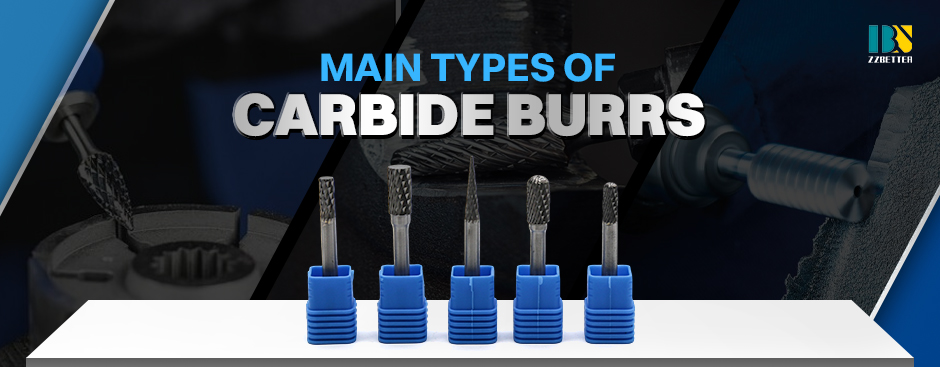
Като високоефективни режещи инструменти, карбидните фрези се използват широко в обработката на матрици, автомобилостроенето, космическата промишленост и други области поради тяхната висока твърдост и силна устойчивост на износване. Тяхната класификация се основава на размери като форма, профил на зъбите, покритие и приложение, а различните видове борчета играят уникална роля в сценариите на обработка.
I. Класификация по форма: Адаптиране към различни контури на обработка
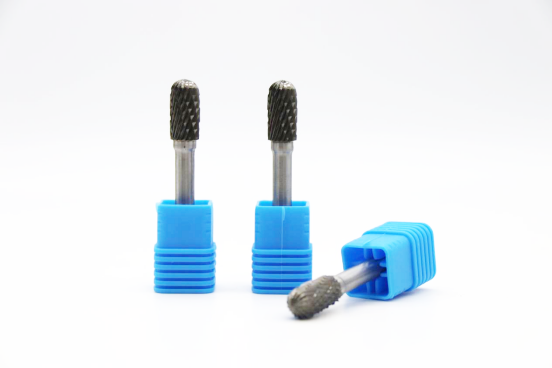
Класификацията по форма е най-основният метод, включващ главно цилиндрични, сферични, елипсовидни, конични и други видове. Цилиндричните карбидни фрези са подходящи за фрезоване на плоски повърхности, стъпаловидни повърхности и обработка на канали; между тях типът с прав канал има добър ефект на отстраняване на стружките, докато типът със спирален канал има по-стабилно рязане. Сферичните карбидни фрези имат дъгообразна глава, която често се използва за подрязване и полиране на извити повърхности и вдлъбнати дъгови повърхности. Елипсовидните твърдосплавни фрези комбинират характеристиките на цилиндричния и сферичния тип, което ги прави подходящи за обработка на сложни контури. Коничните твърдосплавни фрези се използват най-вече за тесни междини, наклонени повърхности и скосяване; различни конуси са подходящи за различни дълбочини на обработка и ъгли.
II. Класификация по профил на зъбите: съответствие на изискванията за прецизност на обработката
Според разликите в профила на зъбите те могат да бъдат разделени на три категории: груби зъби, средни зъби и фини зъби. Твърдосплавните фрези с груби зъби имат голяма стъпка на зъбите и достатъчно пространство за задържане на стружки, подходящи за бързо отстраняване на материал в етапа на груба обработка, като почистване на фрези за леене и подрязване на заварени части. Карбидните фрези със средни зъби имат умерени профили на зъбите, балансиращи ефективността на рязане и прецизността на обработката и често се използват за полуфинална обработка. Твърдосплавните фрези с фини зъби имат малка стъпка на зъбите и плътни режещи ръбове, което води до ниска грапавост на повърхността, които са подходящи за довършване и полиране, особено за обработка на кухини на матрицата с високи изисквания за качество на повърхността.
III. Класификация по покритие: Справяне с различни материални предизвикателства
Според видовете покрития те могат да бъдат разделени на непокрити, TiN покритие, TiAlN покритие и други видове. Твърдосплавните фрези без покритие имат по-ниска цена и са подходящи за обработка на обикновени метални материали. Твърдосплавните борчета с TiN покритие имат по-висока твърдост, с подобрена устойчивост на износване с повече от 30%, подходящи за трудни за обработка материали като неръждаема стомана и стомана с висока якост. Покритите с TiAlN твърдосплавни фрези имат отлична устойчивост на висока температура, не са лесни за износване при високоскоростно рязане и често се използват за обработка на специални материали като супер сплави и титанови сплави.
IV. Класификация по специално приложение: Фокусиране върху нуждите на конкретния сценарий
В допълнение, има специални твърдосплавни борове, проектирани според специални приложения, като специални борове за вътрешни стени на тръби, микро борове за възстановяване на зъбите и борове със специална форма за занаятчийско дърворезба. Тези специални типове имат оптимизирани структури и размери за специфични сценарии на обработка, като допълнително разширяват обхвата на приложение на твърдосплавните фрези.
Изясняването на характеристиките и приложимите сценарии на различни твърдосплавни фрези е ключът към точния подбор и подобряване на ефективността и качеството на обработката, а също така поставя основата за последваща употреба и поддръжка.