

Anàlisi de les perspectives de mercat dels coixinets de carbur de tungstè 01

Anàlisi de les perspectives de mercat dels coixinets de carbur de tungstè 01
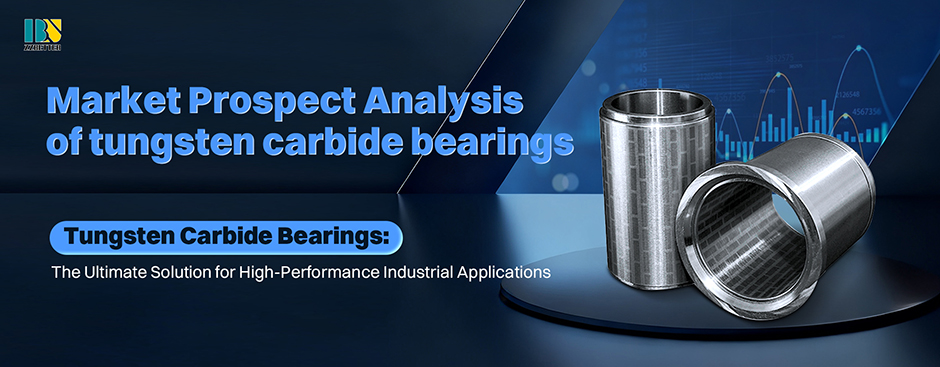
Coixinets de carbur de tungstè: la solució definitiva per a aplicacions industrials d'alt rendiment
En l'àmbit de la maquinària industrial, els coixinets serveixen com a eix vertebrador d'un bon funcionament, però no tots els coixinets són iguals. Els coixinets de carbur de tungstè han sorgit com un canvi de joc, oferint una durabilitat i un rendiment incomparables que eclipsen els materials tradicionals com l'acer o la ceràmica. Compost de carbur de tungstè, un compost de tungstè i carboni conegut per la seva extrema duresa (només després del diamant) i la seva resistència al desgast, aquests coixinets estan dissenyats per prosperar en els entorns més exigents, cosa que els fa indispensables a les indústries clau.
1. Indústria minera: conquerir l'abrasió i les càrregues pesades
Les operacions mineres s'enfronten a un repte bàsic: partícules de mineral abrasiu i càrregues d'impacte extremes que destrueixen ràpidament els coixinets d'acer convencionals. Per exemple, les trituradores de mandíbules que processen roca dura (per exemple, granit, mineral de coure) sotmeten els coixinets a més de 500 kg de força d'impacte per cicle, mentre que els sistemes de transport que transporten mineral de ferro exposen els coixinets a una abrasió constant per pols. Els coixinets d'acer en aquests escenaris solen fallar en 200-300 hores de funcionament, cosa que obliga a 4-6 hores d'inactivitat costosa per substitució.
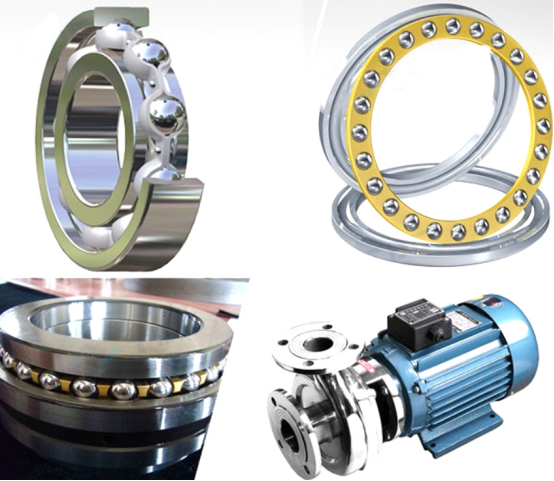
Els coixinets de carbur de tungstè tracten aquest punt de dolor amb la seva duresa 90-95 HRA i alta resistència a l'impacte. Una mina de coure a Xile va substituir els coixinets d'acer per variants de carbur de tungstè a les seves trituradores de mandíbules primàries, i els resultats van ser transformadors:
La vida útil dels coixinets va passar de 250 hores a 2.800 hores (11 vegades més), reduint la freqüència de substitució de mensual a anual.
El temps de funcionament de la trituradora va augmentar un 35%, augmentant la capacitat diària de processament de mineral de 1.200 tones a 1.620 tones.
Els costos de manteniment van baixar un 68%, ja que menys parades van eliminar els costos de mà d'obra i d'equips inactius.
A les mines de carbó subterrànies, on la humitat i la pols de carbó acceleren la corrosió, la naturalesa inert del carbur de tungstè també prevé l'oxidació; a diferència dels coixinets d'acer, que requereixen controls setmanals de lubricació, els coixinets de carbur només necessiten inspeccions mensuals, reduint la càrrega de treball de manteniment in situ.
2. Indústria del petroli i del gas: suportant pressió extrema i corrosió
La perforació de fons i la refinació del petroli presenten un doble malson per als coixinets: pressió extrema (fins a 15.000 psi) + altes temperatures (300 °C+) + fluids de perforació corrosius. Els coixinets d'acer aquí es degraden en 50-80 hores, ja que el fang àcid consumeix les superfícies metàl·liques i la pressió deforma els components; cada fallada requereix estirar tota la cadena de perforació, amb un cost d'entre 50.000 i 100.000 en temps d'inactivitat per incident.
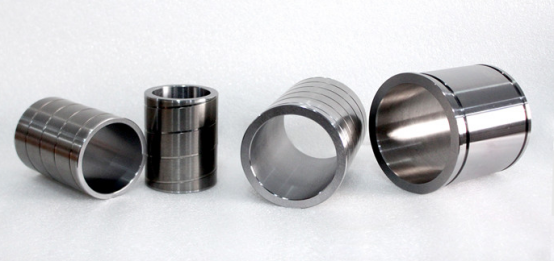
Les propietats úniques dels coixinets de carbur de tungstè converteixen aquests reptes en no-problemes:
La seva resistència a la compressió (6.000 MPa) resisteix la deformació sota pressió de fons, mentre que l'estabilitat tèrmica fins a 500 °C garanteix que no hi hagi canvis dimensionals a altes temperatures.
Un important operador de jaciments de petroli al golf de Mèxic va utilitzar coixinets de carbur de tungstè en els seus motors de perforació horitzontal, ampliant la vida útil dels coixinets de 70 hores a 650 hores. Aquesta cadena de perforació reduïda tira de 8 vegades per pou a 1 cop, reduint el temps de finalització del pou en 22 dies i reduint els costos en 350.000 dòlars per pou.
A les refineries de petroli, on les bombes transporten petroli cru ric en sofre, la resistència a la corrosió del carbur de tungstè també brilla. Una refineria de Texas va informar que després de canviar a coixinets de carbur a les seves bombes de transferència de cru, les fallades de segell (causades per l'òxid de l'acer) van baixar de 12 a 2 per any i l'eficiència de la bomba va millorar un 9% a causa de la fricció reduïda.
3. Indústries marines i químiques: derrotant la corrosió i la humitat
Propulsa marinaEls eixos i les bombes de processament químic lluiten constantment amb l'aigua salada o l'exposició a dissolvents: els coixinets d'acer aquí s'oxiden en un termini de 3-6 mesos, cosa que provoca una desalineació i fuites de l'eix. Per als vaixells en alta mar, la substitució d'un coixinet d'hèlix requereix un dic sec, amb un cost de 20.000-50.000 per dia.
La inercia química del carbur de tungstè (resisteix al 99% dels dissolvents industrials i l'aigua salada) elimina aquest risc:
Una flota pesquera noruega va equipar els seus vaixells amb coixinets d'hèlix de carbur de tungstè, allargant la vida útil dels coixinets de 6 mesos a 5 anys. La freqüència de dic sec es va reduir d'un cop anual a una vegada cada 5 anys, estalviant 120.000 dòlars per vaixell en costos de manteniment.
En una planta química productora d'àcid sulfúric, els coixinets de carbur de tungstè als eixos agitadors van substituir les variants d'acer; anteriorment, els coixinets d'acer fallaven cada 2 mesos a causa de la corrosió àcida, però els coixinets de carbur van funcionar contínuament durant 18 mesos, reduint les parades no planificades en un 90%.
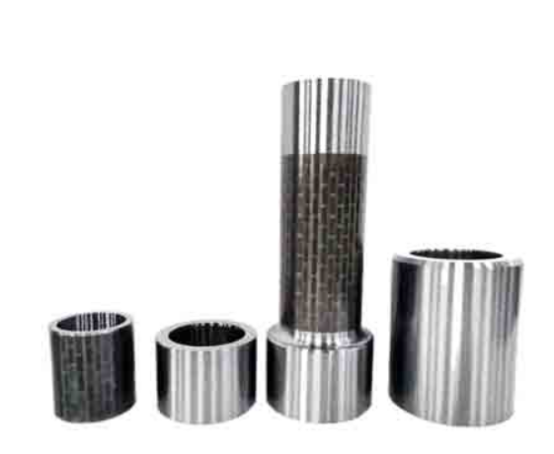
4. Energia renovable (energia eòlica): vibracions perdurables i elements exteriors
Els aerogeneradors s'enfronten a vibracions constants induïdes pel vent (fins a 50 Hz) + fluctuacions de temperatura (-40 °C a 60 °C). Els coixinets d'acer dels eixos principals de les turbines solen fallar en 3-4 anys, i la seva substitució requereix un lloguer de grua (15.000-30.000 al dia) i 3-5 dies d'inactivitat.
El baix coeficient de fricció del carbur de tungstè (0,05, la meitat del de l'acer) i les propietats d'amortiment de vibracions resolen això:
Un parc eòlic alemany va instal·lar coixinets de carbur de tungstè en 20 de les seves turbines de 2,5 MW. Durant 5 anys, cap dels coixinets de carbur no va fallar, mentre que els coixinets d'acer de les turbines adjacents van requerir reemplaçament dues vegades. La granja va estalviar 450.000 dòlars en costos de manteniment i va augmentar la producció d'energia en un 4% (a causa de menys parades).
5. Perspectives de mercat dels coixinets de carbur de tungstè: impulsors del creixement i tendències futures
El mercat mundial de coixinets de carbur de tungstè està preparat per a un creixement robust durant la propera dècada, impulsat per l'actualització industrial, la demanda de components d'alta fiabilitat i l'expansió dels sectors d'ús final. Segons la firma d'investigació de la indústria Grand View Research, s'espera que el mercat mundial de coixinets industrials (incloses les variants de carbur de tungstè) assoleixi els 128.700 milions de dòlars el 2030, i els coixinets de carbur de tungstè representen una quota creixent; es preveu que creixin a un CAGR del 7,2% del 2024 al 2030, superant el 5,1% CAGR del mercat total.