

What Components Are in a Choke Valve

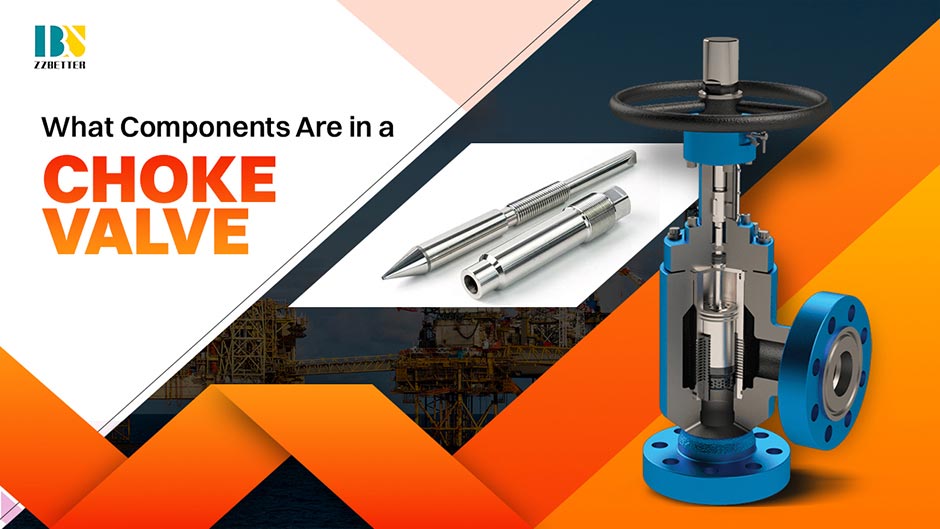
Based on the core structure and functionality of choke valves (as outlined in the context), their key components include:
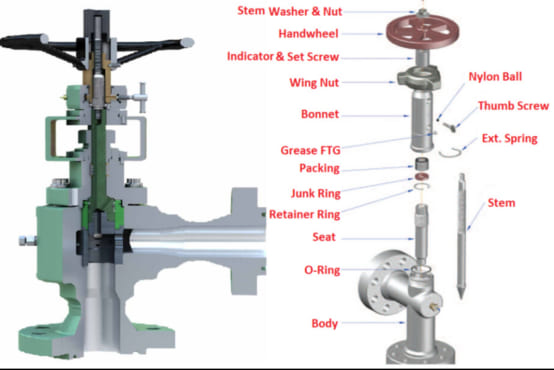
1. Valve Body:
The choke valve body is the main housing of the valve that holds all of the other components in place. is the outer casing that houses internal components and provides a passage for fluid. It is designed to withstand high pressure, corrosion (for harsh fluids like crude oil or chemicals), and operational stresses. It is typically made of metal, such as steel or stainless steel, and is designed to withstand the pressure and temperature of the fluid being controlled.
2. Core Flow Control Component Orifice:
The orifice is the restriction in the pipeline that controls the flow rate. It is is the central component creating flow restriction. It can be a fixed size or adjustable, depending on the type of valve. The orifice is typically located within the body of the valve.
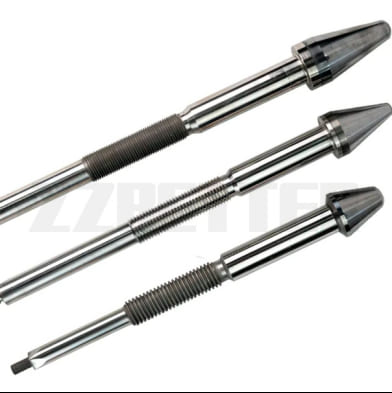
3. Plug or needle:
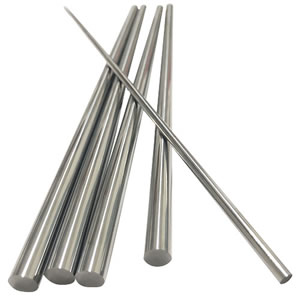
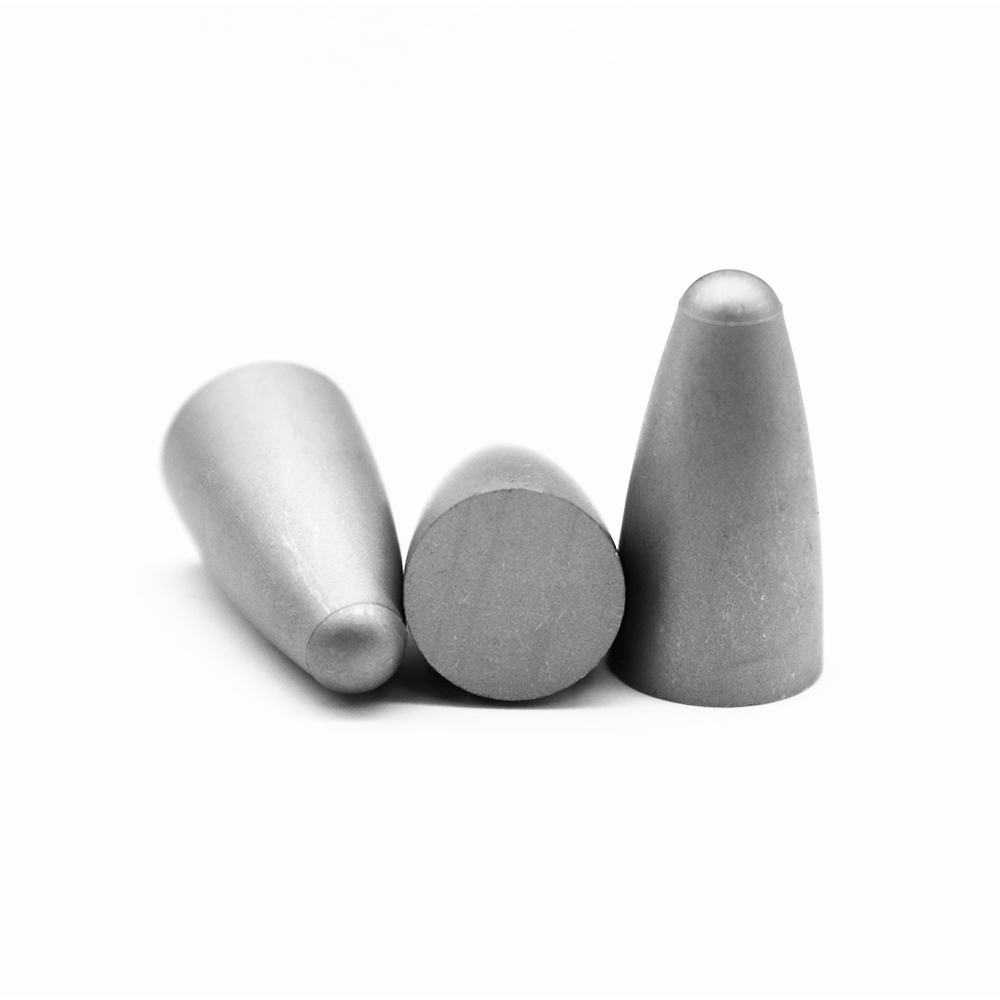
The plug or needle is the component that regulates the flow rate by moving into or out of the orifice. It can be cone-shaped or cylindrical, depending on the type of valve.
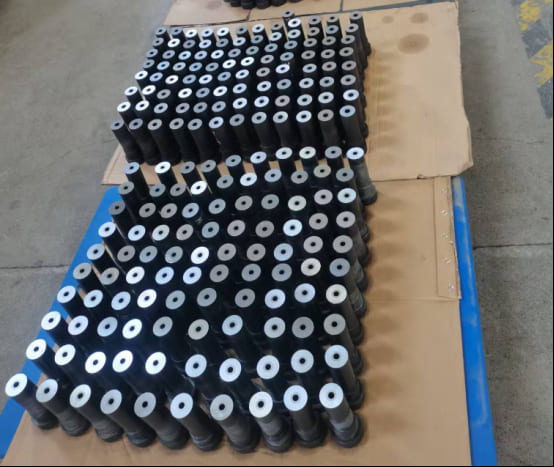
4. External sleeve and cage:
The external sleeve is the component that regulates the flow rate by moving over top of the cage.
5. Actuation & Adjustment Mechanisms:
Manual adjustment parts: For manual control, components like handwheels, levers, or knobs enable human operation to position the restriction mechanism (e.g., moving the needle in adjustable valves).
-Actuators: For automatic control, pneumatic, hydraulic, or electric actuators drive the movable orifice component. They connect to sensors and controllers to realize real-time, precise adjustments.
6. Sealing & Pressure-Relief Elements:
Seals are used to prevent fluid leakage around the plug or needle, and are typically made of materials such as Teflon, VITON, NBR, depending on the type of fluid and temperature. Seals (e.g., gaskets, O-rings) prevent fluid leakage at component joints. High-pressure choke valves (e.g., for oil and gas wellheads) may also integrate pressure-resistant structures to handle pressure drops across the orifice.
7. Control system:
The control system is used to automatically adjust the position of the plug or needle, and can include sensors, switches, and controllers.
Some choke valves may include additional components such as a stem, which connects the actuator to the plug or needle, and a bonnet, which covers the valve body and holds the stem in place.
Choke valves can also have additional features like pressure relief, bypass, or anti-surge control. These features can be added to the valve to provide additional safety and control capabilities.