

Mafi kyawun Ayyuka don Welding Tungsten Carbide Tips akan Saw Blades

Mafi kyawun Ayyuka don Welding Tungsten Carbide Tips akan Saw Blades
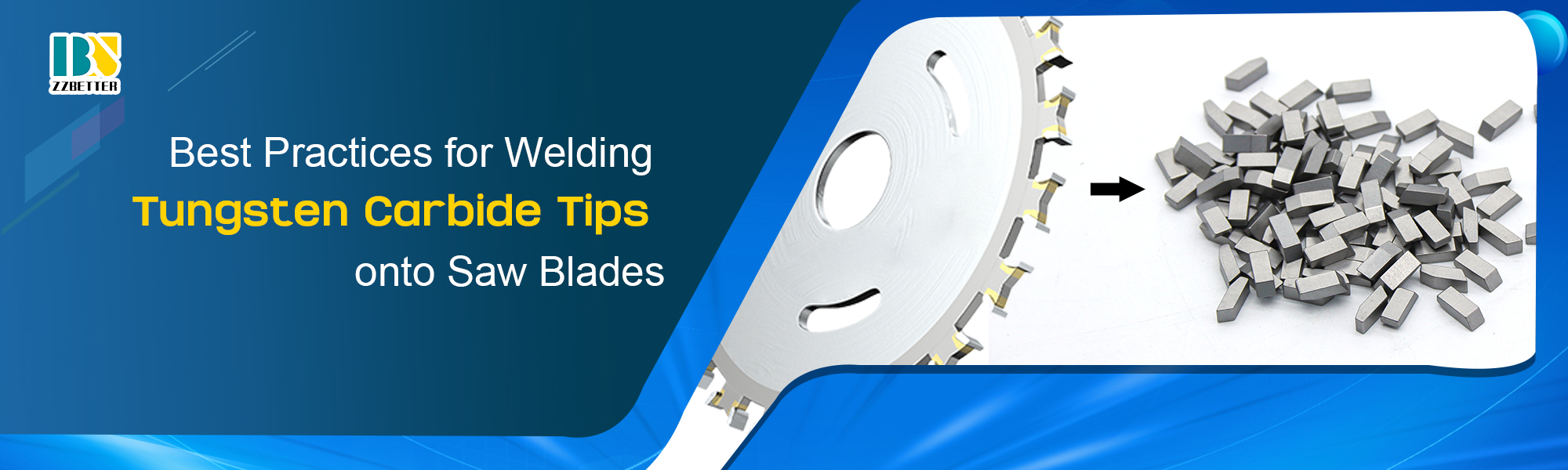
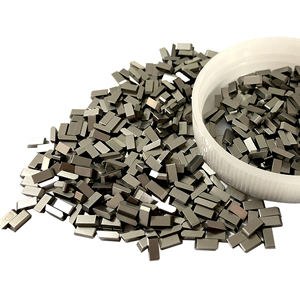
Welding tungsten carbide (WC) tukwici akan gan wukake tsari ne mai mahimmanci wanda ke haɓaka aiki da tsawon lokacin yankan kayan aikin. Tungsten carbide sananne ne saboda taurin sa da juriya, yana mai da shi ingantaccen kayan aiki don aikace-aikacen da ke buƙatar daidaito da dorewa. Koyaya, dole ne a aiwatar da tsarin walda tare da kulawa don tabbatar da haɗin gwiwa mai ƙarfi da ingantaccen aiki. Wannan labarin ya fayyace mafi kyawun ayyuka don walda tukwici na tungsten carbide akan igiya, mai da hankali kan fasaha, shiri, da tabbacin inganci.
1. Zabar Hanyar Walda Mai Dama
Zaɓin hanyar waldawa yana tasiri sosai ga ingancin haɗin gwiwa tsakanin tukwici na tungsten carbide da ma'aunin sawaye. Hanyoyin gama gari sun haɗa da:
▷TIG walda:Wannan dabarar tana ba da madaidaicin iko akan shigarwar zafi, yana mai da shi dacewa da walda tungsten carbide. Yin amfani da garkuwar gas marar amfani yana hana gurɓatawa, yana tabbatar da weld mai tsabta. walda TIG yana da tasiri musamman ga nasihun carbide na bakin ciki, inda sarrafa zafi ke da mahimmanci.
▷MIG walda:Duk da yake gabaɗaya da sauri fiye da TIG, walƙiya MIG na iya gabatar da ƙarin zafi a cikin kayan aikin, wanda zai iya zama lahani ga amincin carbide. Ya fi dacewa don kayan kauri da ƙimar samarwa mafi girma.
▷ Laser walda:Wannan fasaha na ci gaba yana rage girman yankin da ke fama da zafi (HAZ) kuma yana ba da izini don sarrafawa daidai, rage haɗarin lalacewar thermal ga carbide. Waldawar Laser shine manufa don aikace-aikacen da ke buƙatar ƙarancin murdiya.
▷ Haɓaka:Ko da yake ba tsarin walda ba ne, ana iya amfani da brazing don haɗuwa da tungsten carbide zuwa abubuwan ƙarfe. Wannan hanyar tana amfani da ƙarfe mai filler wanda ke narkewa a ƙananan zafin jiki, don haka yana adana kaddarorin carbide.
2. Shirya Kayan Aiki
Shiri mai inganci yana da mahimmanci don samun ƙarfi mai ƙarfi. Dole ne a tsaftace saman duka tukwici na tungsten carbide da ruwan ƙarfe na ƙarfe sosai don cire duk wani gurɓataccen abu kamar mai, mai, ko oxidation. Hanyoyin tsaftacewa da aka ba da shawarar sun haɗa da:
▷ Tashin hankali:Wannan fasaha tana shirya farfajiya ta hanyar ƙirƙirar nau'i mai mahimmanci, haɓaka haɗin injiniya.
▷ Tsaftar Kemikal:Yin amfani da abubuwan kaushi ko masu tsabtace sinadarai na iya kawar da gurɓatattun abubuwa yadda ya kamata ba tare da canza bayanin martaba ba.
3. Sarrafar da shigar da zafi
Sarrafa shigar da zafi yana ɗaya daga cikin mahimman abubuwan walda tungsten carbide tukwici. Zafin da ya wuce kima na iya haifar da ƙwanƙwasa carbide, wanda ke daidaita tauri da juriya. Mafi kyawun ayyuka sun haɗa da:
▷Yin amfani da walda:Wannan dabarar tana rage matsakaicin shigarwar zafi yayin da ke ba da izinin isassun shiga.
▷ Kula da Ma'aunin walda:Daidaitaccen daidaitawar wutar lantarki, amperage, da saurin tafiya na iya taimakawa wajen kula da mafi kyawun matakan zafi.
▷ Preheating da Substrate:A wasu lokuta, preheating da karfe zai iya taimaka rage zafin zafi da kuma rage yuwuwar fashewa.
4. Magani Bayan Walda
Maganin zafi bayan walda yana da mahimmanci don kawar da saura damuwa da haɓaka kayan aikin walda. Ayyukan gama gari sun haɗa da:
▷ Haushi:Wannan tsari ya haɗa da dumama haɗin haɗin gwiwa zuwa wani takamaiman zafin jiki wanda ke biye da sanyaya mai sarrafawa, wanda zai iya inganta tauri da rage raguwa.
▷ Rage damuwa:Yin maganin zafi mai rage damuwa zai iya taimakawa wajen rage duk wata damuwa da aka gabatar yayin walda, tabbatar da amincin haɗin gwiwa.
5. Matakan Kula da Inganci
Aiwatar da tsauraran kula da ingancin yana da mahimmanci don tabbatar da aminci da aikin welded tungsten carbide tukwici. Ayyukan da aka ba da shawarar sun haɗa da:
▷ Gwajin mara lalacewa (NDT):Dabaru kamar gwajin ultrasonic, duban rediyo, ko gwajin shigar rini na iya gano lahani a cikin walda ba tare da lalata sashin ba.
▷ Duban gani:Gudanar da cikakken bincike na gani na yankin walda zai iya taimakawa gano rashin daidaituwar saman ko alamun rashin haɗin gwiwa.
▷ Riko da Ma'auni:Bin ka'idojin masana'antu da ƙayyadaddun bayanai, kamar waɗanda Ƙungiyar Welding Society (AWS) ta kafa, tana tabbatar da daidaiton inganci da aiki.
Kammalawa
Nasarar welding tungsten carbide tukwici akan igiyar gani yana buƙatar kulawa da hankali ga fasaha, shiri, da sarrafa inganci. Ta hanyar zaɓar hanyar walda da ta dace, sarrafa shigarwar zafi, da aiwatar da ingantattun hanyoyin dubawa, masana'antun za su iya samar da kayan aikin yanke masu inganci waɗanda ke biyan buƙatun aikace-aikace daban-daban. Kamar yadda fasaha ta ci gaba, ci gaba da haɓaka ayyukan walda zai ƙara haɓaka aiki da dorewar kayan aikin yankan carbide tungsten, ƙarfafa rawar da suke takawa a masana'antu da injina na zamani.