

Teknoloji valv toufe ak aplikasyon an nan alyaj difisil nan tiyo toufe

Teknoloji valv toufe ak aplikasyon an nan alyaj difisil nan tiyo toufe
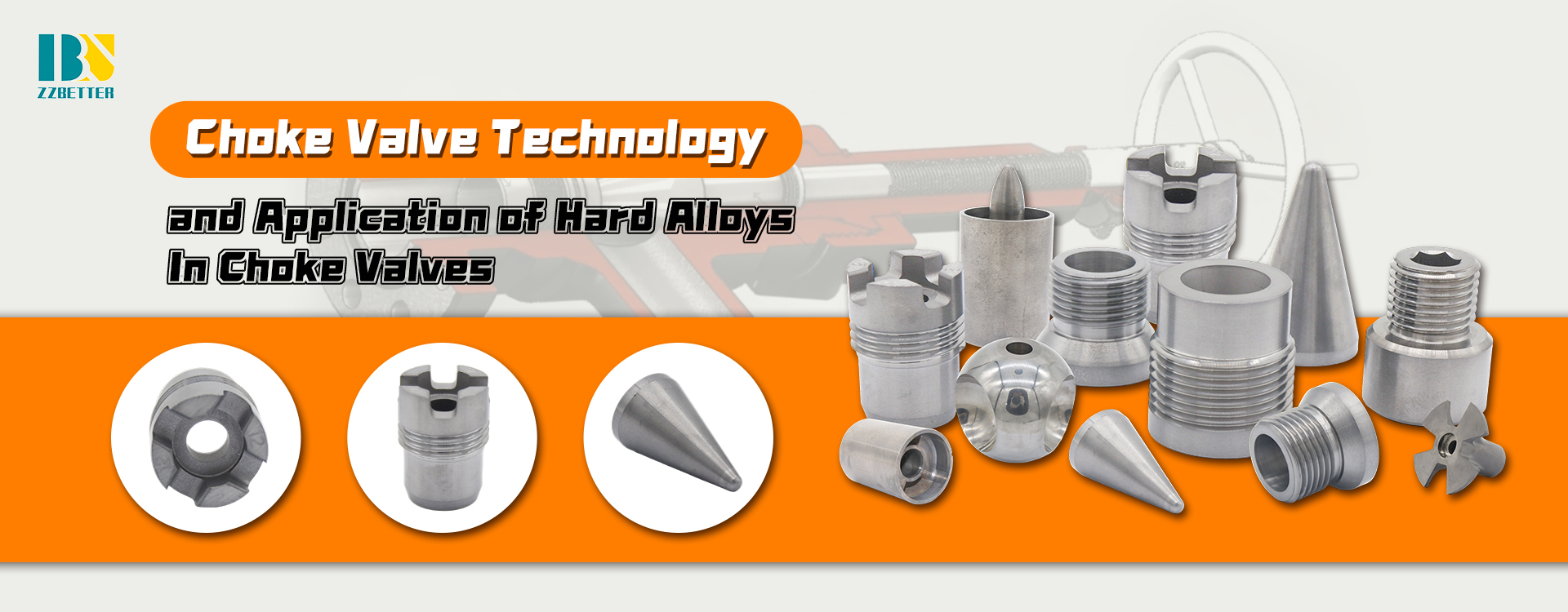
Tiyo toufe yo se eleman enpòtan nan sistèm kontwòl likid pou endistri lwil oliv, gaz ak chimik, yo itilize pou kontwole presizyon koule, estabilize presyon, epi anpeche domaj kavitasyon ak ewozyon. Anba kondisyon fonksyònman ekstrèm (gwo presyon, korozyon, koule multifaz), materyèl tradisyonèl yo souvan echwe pou satisfè kondisyon durability alontèm. Alyaj difisil, tankou carbure tengstèn (WC), ak dite ultra-segondè yo, rezistans mete, ak rezistans korozyon, yo te vin chwa ideyal la pou eleman kle valv toufe. Atik sa a eksplore prensip k ap travay nan tiyo toufe, mòd echèk komen, epi konsantre sou avantaj ki genyen nan alyaj difisil nan taye valv, chèz, ak sifas poze sele.
1. Fonksyon Nwayo ak defi nan valv toufe
1.1 Fonksyon tiyo toufe
Règleman Presyon: Kontwole presyon pi a pou anpeche pwodiksyon sab oswa eklate akòz gout presyon toudenkou.
Kontwòl koule: Ajiste to pwodiksyon idrokarbone pou matche ak kapasite pwosesis en.
Jesyon Flow Multifaz: Abòde kavitasyon ak ewozyon nan koule melanje lwil-gaz-dlo.
1.2 Mòd echèk komen
| Kalite echèk | Kòz | Konsekans |
| Mete ewozyon | Gwo vitès sab chaje likid | Degradasyon sifas sele |
| Kavitasyon domaj | Presyon gout-pwovoke efondreman ti wonn | Pitting ak eklatman |
| Echèk korozyon | H₂S/CO₂ anviwònman asid | Krake entègranulèr |
| Fatig tèmik | Balanse tanperati rapid (egzanp, piki vapè SAGD) | Valv kò deformation/sele flit |
2. Aplikasyon pou alyaj difisil nan tiyo toufe
2.1 Avantaj kle nan alyaj difisil
Ultra-wo dite (1,400-2,000 HV), 10 fwa plis mete-rezistan pase asye pur.
Rezistans korozyon: WC-Ni alyaj depase WC-Co nan anviwònman asid.
Kavitasyon Rezistans: estrikti amann-grenn diminye pwopagasyon microcrack soti nan efondreman ti wonn.
2.2 Amelyorasyon Materyèl pou Konpozan Kritik
(1) Taye valv ak chèz
-Materyèl tradisyonèl: 17-4PH Nerjaveèi asye, Stellite 6 (alyaj ki baze sou Ko).
- Solisyon alyaj difisil:
- WC-10Ni: Pou anviwònman H₂S ki rich (egzanp, jaden gaz lanmè).
- WC-13Co: Segondè severite pou gwo presyon, kondisyon ki chaje sab (egzanp, pwi lwil oliv feyte).
- TSP (Thermally Stable Polycrystalline Diamond) Kouch: Ekstrèm rezistans ewozyon (egzanp, fraktire likid flowback).
(2) Tij Valv ak Buje
- Tretman andigman:
- HVOF-flite WC-10Co-4Cr (1,200–1,400 HV).
- Lazè-rekouvèr gradyan kouch alyaj difisil (fòs kosyon> 300 MPa).
300 MPa).
(3) Plak orifis yo
- WC Solid Sintered: Ranplase 316L, pwolonje lavi sèvis 5–8x.
- Konsepsyon konpoze:
- Baz: fe ba-kabòn (pri-la efikas).
- Mete ki reziste kouch: 0.5mm WC-Ni (PTA soude).
3. Etid ka endistri
3.1 Deepwater lwil oliv ak gaz toufe tiyo
- Defi: > 1,500m pwofondè dlo, 70 MPa presyon, 5% kontni sab.
1,500m pwofondè dlo, 70 MPa presyon, 5% kontni sab.
- Solisyon:
- Taye: Solid WC-10Ni (0.8μm gwosè grenn).
- Sifas poze sele: TSP kouch (kavitasyon ki reziste).
- Rezilta: entèval antretyen pwolonje soti nan 3 mwa a 5 ane.
3.2 Shale Gas Fracturing Wellhead Chokes
- Defige: 105 MPa presyon + ewozyon sab kwatz.
- Solisyon:
- Multi-etap taye: WC-13Co (grenn koryas pou rezistans enpak).
- Syèj: Ultra-fin WC-6Ni (1,800 HV).
- Rezilta: pousantaj ewozyon redwi pa 85%.
3.3 SAGD tiyo vapè toufe
- Defi: 340 ° C vapè + tèmik fatig monte bisiklèt.
- Solisyon:
- Kò valv: Inconel 625 + WC-CoCr kouch.
- Boul: alyaj difisil gradyan (nwayo difisil / sifas ki reziste).
- Rezilta: 4 fwa pi long lavi kont materyèl konvansyonèl yo.
4. Tandans nan lavni
1. Smart Choke Valv:
- Detèktè presyon / tanperati entegre pou ajisteman an tan reyèl.
- Prediksyon dijital pou mete jimo (egzanp, PhaseMaster™ AI Schlumberger a).
2. Konpoze avanse:
- Nano-WC/grafèn kouch (koyefisyan friksyon
- 3D-enprime alyaj difisil chanèl koule konplèks.
3. Green Faktori:
- Lyan san Cobalt (WC-Fe/Ni) pou konfòmite anviwònman an.
Konklizyon
Alyaj difisil siyifikativman amelyore durability valv toufe pa amelyore rezistans mete, rezistans korozyon, ak rezistans kavitasyon, diminye depans antretyen. Pwogrè nan lavni nan syans materyèl ak entegrasyon dijital pral plis pouse limit pèfòmans yo.
Pou seleksyon materyèl oswa solisyon operasyonèl, kontakte ekip teknik nou an!
Se pwa toufe souvan itilize nan valv la toufe pozitif pou kontwole koule a. Materyèl kò: SS410, aliyen ak tengstèn Carbide UBT08, pou pwoteje yo kont korozivite ak abrazif mete.
Sou yon bò nan manifoul toufe a, yo itilize pwa toufe kalibre pou kontwole pousantaj koule nan bwat toufe fiks la.
Chak pwa se yon dyamèt espesifik, anjeneral nan gradyasyon nan 1/64-132 pous, tou depann de kalite ekipman yo itilize.
Gwosè pwa a toufe ka gwo tankou 3 pous.
ZZbetter carbure ka fè tretman an QPQ sou kò a nan pwa toufe, amelyore dite sifas la.
Pwodwi prensipal:
Prevansyon eklate ak Pwodwi pou Telefòn
Toufe ak touye manifoul
Toufe ak touye kawotchou
Kontwòl Panel
Sou entènèt jwèt Wellhead & Nwèl Tree
Tiyo
Ponp tès
Inite kontwòl Bop
Inyon / Swivel Joint / Fitting
Bride
Bobine
Anbalaj elastomè
Chokes ak tiyo taye pati
Ponp sele bag
Seri pwodwi labirent
Fè egzèsis ti bouch, foure, kouto
Pati MWD, eleman zouti twou
TC bi, PDC poussée bi
Eleman kontwòl koule downhole
Konpozan ponp atifisyèl leve
Super seri pwodwi difisil
Solisyon inovatè hardfacing
Referans:
1. API 6A Wellhead ak Nwèl Tree Ekipman