

Ցեմենտացված կարբիդային կոմպոզիտային ձողերի կիրառման սցենարներ

Ցեմենտացված կարբիդային կոմպոզիտային ձողերի կիրառման սցենարներ
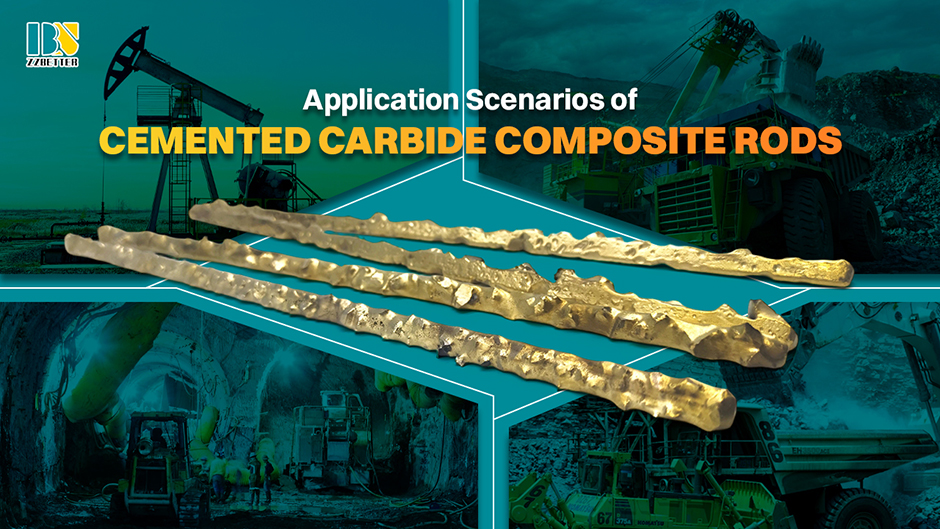
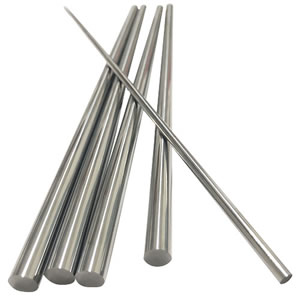
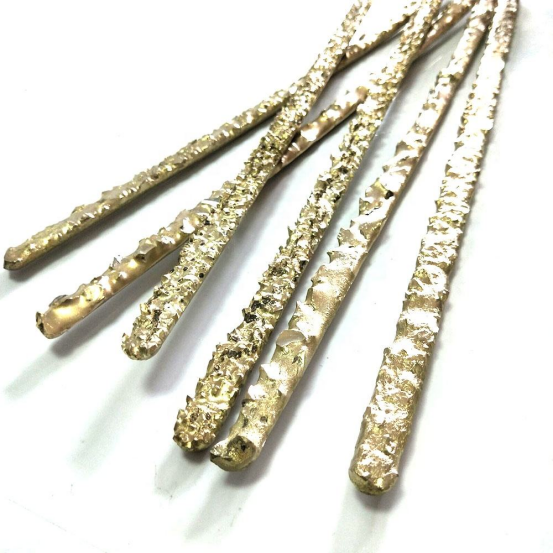
Ցեմենտացված կարբիդային կոմպոզիտային ձողերը, որոնք հաճախ կոչվում են «ցեմենտացված կարբիդի կոմպոզիտային ձողեր», ներկայացնում են նյութական ճարտարագիտության գագաթնակետը, որը նախատեսված է գերազանցելու ամենախստապահանջ արդյունաբերական միջավայրերում: Այս ձողերը հնարամտորեն կառուցված են՝ միացնելով չափազանց կոշտ կարբիդի ծայրերը, որոնք սովորաբար պատրաստված են վոլֆրամի կարբիդի հատիկներից կամ մաշվածության դիմացկուն ներդիրներից, նիկելի/արծաթի (կամ պղնձի) համաձուլվածքի կոշտ մատրիցով: Այս եզակի կոմպոզիտային կառուցվածքը համատեղում է կարբիդի բարձր կարծրությունը և մաշվածության դիմադրությունը կապող մետաղի բացառիկ ամրության, հարվածային դիմադրության և ջերմային հաղորդունակության հետ: Արդյունքը նյութ է, որը գերազանցում է սովորական պողպատե գործիքներին բազմաթիվ դժվար կիրառություններում: Այս ամուր բաղադրիչների կիրառման առաջնային սցենարները հայտնաբերվել են արդյունաբերություններում, որտեղ ծայրահեղ քայքայումը և ազդեցությունը ամենօրյա մարտահրավերներ են:
1. Նավթի և գազի հորատում. Նվաճելով ստորգետնյա սահմանը
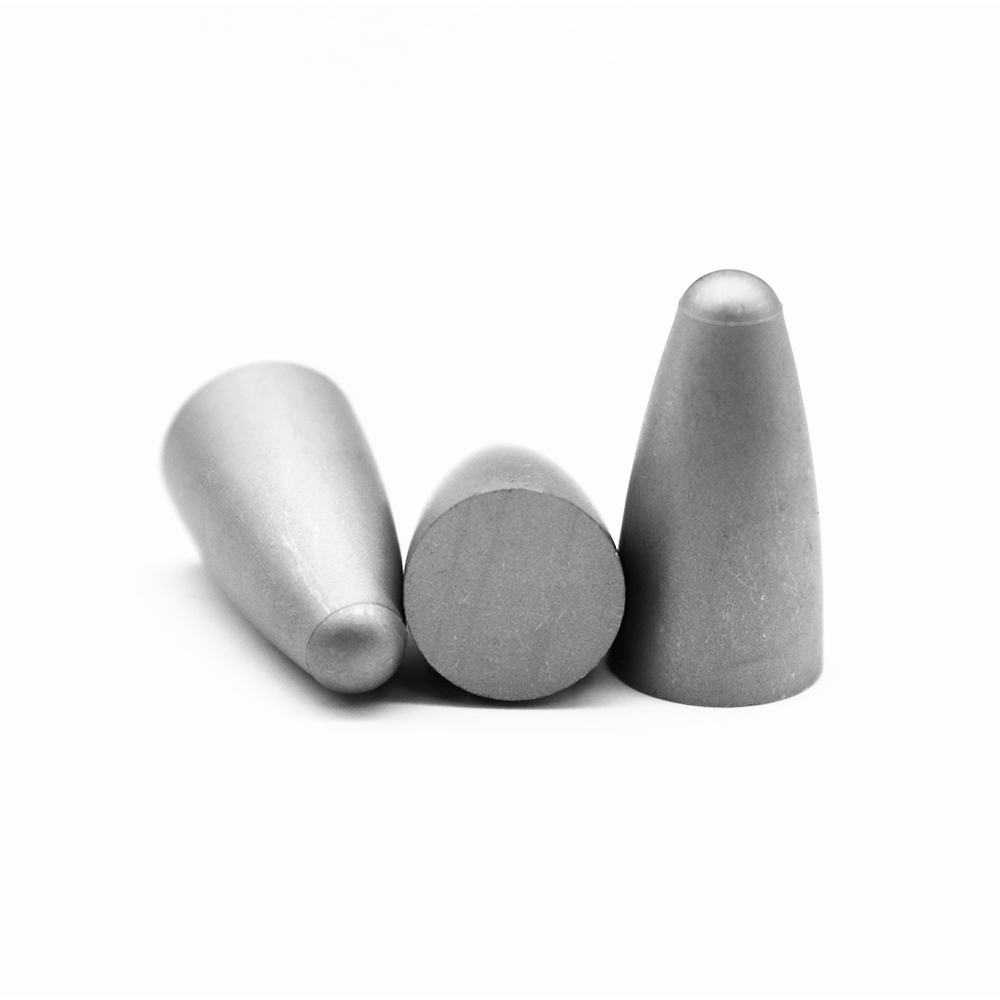
Նավթի և գազի ոլորտում հորատման արդյունավետությունը և գործիքի երկարակեցությունը առաջնային են: Ցեմենտացված կարբիդային կոմպոզիտային ձողերը կարևոր բաղադրամասեր են հորատման բիթերում, հատկապես գլանաձև կոնի բիթերում և PDC (Polycrystalline Diamond Compact) բիտերի ենթաշերտերում: Վոլֆրամի կարբիդի ծայրերը, որոնք ներկառուցված են ձողի մակերեսին, գործում են որպես առաջնային շփման կետ ապարների առաջացման հետ: Նրանք տրորում և մանրացնում են հղկող ավազաքարերի, կոշտ թերթաքարերի և այլ երկրաբանական գոյացությունների միջով։ Նիկելի/պղնձի համաձուլվածքի կապակցիչը ապահովում է, որ ձողը կարող է դիմակայել վիբրացիոն ահռելի հարվածներին և ճկման պահերին, որոնք հանդիպում են հորատման ընթացքում՝ առանց ճեղքվելու: Այս համակցությունը զգալիորեն երկարացնում է գայլիկոնի ծառայության ժամկետը, նվազեցնում է բիտերի փոփոխությունների ժամանակի աշխատանքը և մեծացնում է ներթափանցման ընդհանուր արագությունը՝ հանգեցնելով ծախսերի զգալի խնայողության թանկարժեք հորատման աշխատանքներում:
2. Հանքարդյունաբերություն և օգտակար հանածոների վերամշակում. արդյունահանման սիրտը և չափի կրճատումը
Հանքարդյունաբերությունը, հավանաբար, ցեմենտացված կարբիդային կոմպոզիտային ձողերի ամենամեծ սպառողն է: Դրանք անփոխարինելի են սարքավորումների լայն տեսականիում, որն օգտագործվում է մանրացման, մանրացման և պեղումների համար:
• Ջարդման և հղկման մեքենաներ.Ջարդիչներում և մուրճաղացներում մուրճերը և մուրճերը մշտապես ենթարկվում են հանքաքարերի և ապարների վերամշակման ուժեղ քայքայման: Այս բաղադրիչները կարբիդային կոմպոզիտային ձողերով երեսպատելը կտրուկ մեծացնում է դրանց մաշվածության ժամկետը՝ պահպանելով գործառնական արդյունավետությունը և նվազեցնելով սպասարկման հաճախականությունը:
• Ճանապարհների պլանավորման և խրամուղիների գործիքներ.Ճանապարհների հատակների, մակերևութային հանքագործների և խրամատների ատամները և ցողունները հիմնված են կարբիդային կոմպոզիտային կառուցվածքի վրա՝ կոշտ ասֆալտը, բետոնը և քարը քանդելու համար: Սուր, կոշտ կարբիդային ծայրերը ապահովում են կտրող գործողություն, մինչդեռ կոշտ ձողի մարմինը կլանում է յուրաքանչյուր հարվածի հարվածը:
• Փորող և փորող բաղադրիչներ.Ավազի, մանրախիճի կամ հանքանյութերի հողահանման աշխատանքներում կտրիչի գլուխները և դույլերի շրթունքները հագեցված են այս ձողերով՝ դիմակայելու ցեխի խառնուրդների անողոք քայքայումին՝ ապահովելով շարունակական աշխատանքը ծանր պայմաններում:
3. Շինարարություն և թունելավորում. շինարարություն և ձանձրալի ճշտությամբ և երկարակեցությամբ
Լայնածավալ շինարարական և թունելային նախագծերում մեքենաները պետք է աներևակայելի ամուր լինեն: Ցեմենտացված կարբիդային կոմպոզիտային ձողերը կենսական նշանակություն ունեն.
• Թունելի հորատման մեքենաներ (TBM).TBM-ների կտրիչի գլխիկները պատված են սկավառակային կտրիչներով և կոտլետներով, որոնք հաճախ ամրացված են կամ ամբողջությամբ պատրաստված են կարբիդային կոմպոզիտներից: Դրանք կարևոր են ժայռերի և խառը գետնի միջով ձանձրացնելու համար՝ ապահովելով մաշվածության անհրաժեշտ դիմադրություն երկար թունելները ավարտելու համար՝ առանց կտրիչի մշտական փոխարինման:
• Կույտերի վարում և հորատում.Հիմքի հորատման և քարքարոտ հողի մեջ կուտակելու համար օգտագործվող գործիքներն օգուտ են քաղում այս ձողերի ընդգրկումից: Նրանք պաշտպանում են գործիքների առաջնային եզրերը արագ մաշվածությունից՝ ապահովելով փորված անցքերի չափերի ճշգրտությունը և կառուցվածքային ամբողջականությունը:
4. Վեաr Մասեր ծանր մեքենաների և արտադրության մեջ
Նշված առաջնային արդյունաբերություններից բացի, այս կոմպոզիտային ձողերը գտնում են մասնագիտացված կիրառումներ՝ որպես մաշված մասեր տարբեր ծանր աշխատանքային սցենարներում: Դրանք օգտագործվում են որպես ուղեցույցներ, երեսպատումներ և կրելու ժապավեններ հղկող նյութերի հետ աշխատելու սարքավորումներում, ինչպիսիք են պայթեցման մեքենաները, ավազի մշակման համակարգերը և գյուղատնտեսական մեքենաները, ինչպիսիք են պարարտանյութ տարածողները և հողը մշակելու սարքավորումները: Նրանց կարողությունը՝ դիմակայելու նյութի կուտակմանը և հարթ մակերես պահպանելու, բարձր է գնահատվում:
Եզրափակելով, ցեմենտացված կարբիդային կոմպոզիտային ձողերը ոչ միայն նյութ են, այլ կարևոր ինժեներական լուծում: Սիներգիկ կերպով համատեղելով վոլֆրամի կարբիդի և ճկուն մետաղական կապի հատկությունները, նրանք ապահովում են կարծրության և ամրության անգերազանցելի համադրություն: Նրանց կիրառման սցենարները կենտրոնացած են այն իրավիճակների վրա, երբ մաշվածության պատճառով պարապուրդի և մասերի փոխարինման արժեքը բարձր է: Այս կոմպոզիտային ձողերը հիմնարար նշանակություն ունեն առաջընթացը խթանելու, արտադրողականությունը բարձրացնելու և ծանր արդյունաբերության հուսալիությունն ամբողջ աշխարհում ապահովելու համար: