

How does a choke valve work

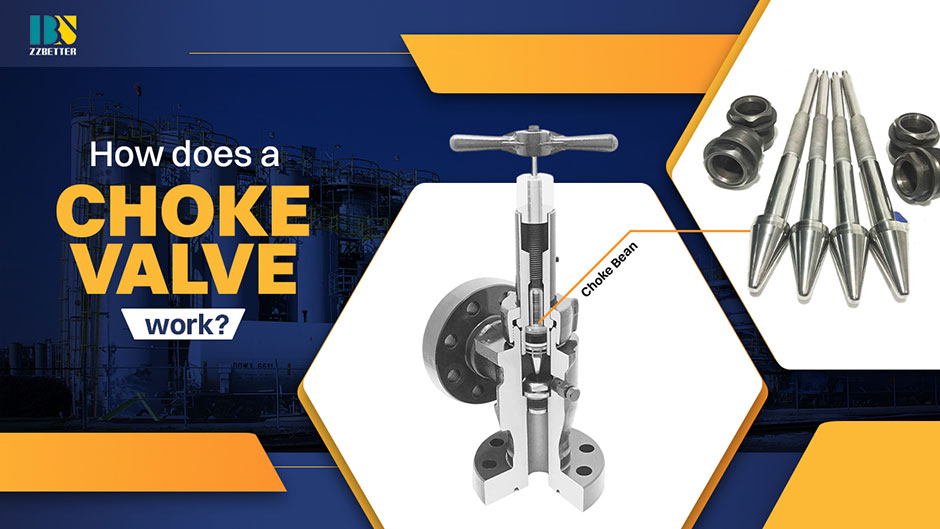 Choke valves are critical flow control components widely utilized across various industrial sectors, designed to regulate fluid flow through intentional restriction. Their core functionality lies in manipulating the flow rate of liquids or gases by adjusting the degree of restriction within the valve body, a mechanism that balances simplicity with high precision in demanding operational environments.
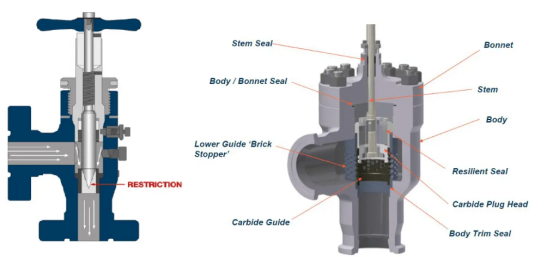
Core Working Principle
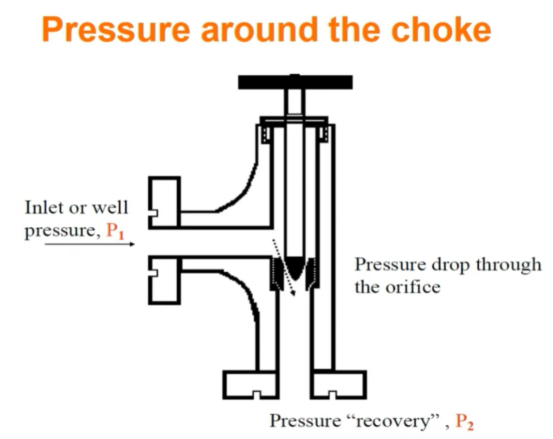
The fundamental operating mechanism of a choke valve revolves around creating a controllable restriction to fluid flow. This restriction is primarily achieved through an orifice—a precisely engineered small opening within the valve that the fluid must pass through. When fluid flows through this narrowed passage, it experiences a pressure drop, and the size of the orifice directly dictates the magnitude of this pressure reduction and the resulting flow rate.
The adjustment of choke valves—particularly adjustable models—can be implemented through two primary control methods, tailored to the complexity and automation needs of the application:
- Manual Control: Suitable for small-scale or low-frequency adjustment scenarios, manual control involves direct human operation of a handwheel, lever, or knob to position the restriction mechanism. This method is simple and cost-effective for systems that do not require frequent flow changes.
- Automatic Control: For large-scale industrial processes or applications requiring precise, real-time adjustments, automatic control systems are employed. These systems integrate actuators (pneumatic, hydraulic, or electric) with sensors and controllers that monitor process variables (e.g., pressure, flow rate, temperature). The controller compares the actual parameter values with the setpoint and signals the actuator to adjust the valve's restriction, ensuring consistent flow control without manual intervention.
The key to flow rate control lies in adjusting the effective size of this restriction. At the fully open position, the orifice (or restriction mechanism) provides the maximum cross-sectional area for fluid passage, resulting in the highest possible flow rate. Conversely, when fully closed, the restriction blocks fluid movement entirely, reducing the flow rate to zero. For intermediate flow control, the restriction is set to a partially open position, which generates a calibrated pressure drop across the valve and reduces the flow rate to the desired level.
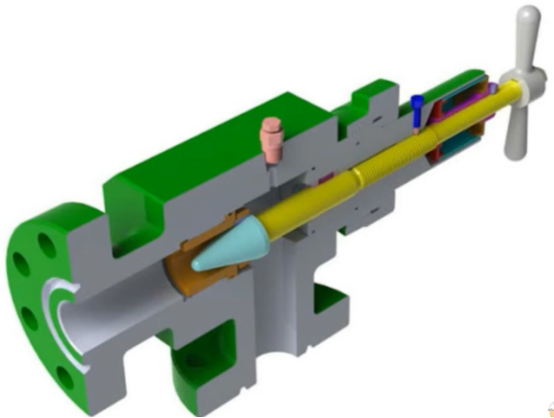
Choke valves are commonly used in oil and gas industry for controlling the flow rate of well fluids, such as oil or natural gas, from a wellhead to a production facility. In addition, choke valves are also used in many other process industries, such as power generation, chemical, and water treatment.