

Çima derxistina neft û gazê bêyî alloyên hişk nayê kirin?

Çima derxistina neft û gazê bêyî alloyên hişk nayê kirin?
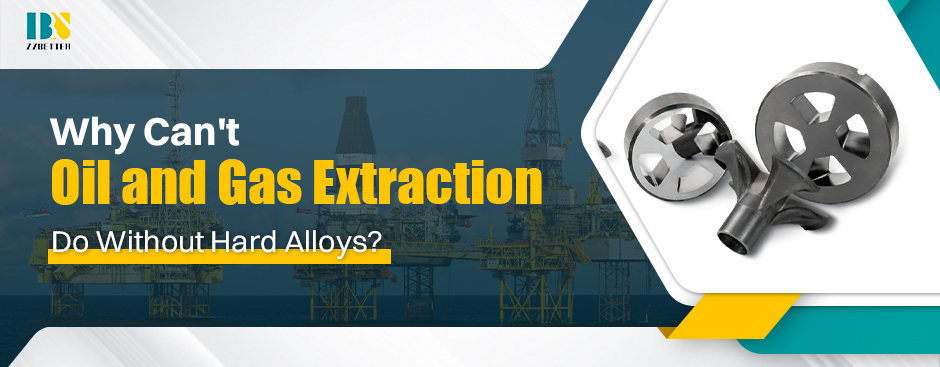
Dema ku çavkanîyên neft û gazê di kûrahiya Erdê de vedikolin, bitikên lêdana hişk dibin amûra tûj a mirovahiyê di tekoşîna li dijî pêkhateyên zinarên hişk de, ku ji bo stratejiya axa kûr a Chinaînê wekî garantiyek zexm xizmet dike.
Li hewza Tarimê ya dûr, bîra Yuejin 3-3XC ya "Erd Kûr Hejmar 1" ji kûrahiya sondajê ya 10 hezar metre derbas bûye. Ev dever, digel şert û mercên xwe yên jeolojîkî yên pir tevlihev, daxwazên hişk li ser hilberên tîrêjê derdixe. Tiştê ku van hawîrdorên dijwar têk dibe, "diranên hesinî û çeneyên pola" yên ji aligirên hişk hatine çêkirin in.
I. Zehmetiyên Erdê yên Kûr, Zehmetiyên Sondakirinê
Gava ku lêgerîna neft û gazê ya Chinaînê ber bi qatên kûr û pir-kûr ve diçe, zeviyên neftê bi hawîrdorên giran re rû bi rû ne ku bi "sê ultras û yek bilind" - ultra-kûr, germahiya pir-bilind, zexta pir-bilind, û naveroka sulfurê ya bilind.
Di bin şert û mercên weha de, tîrêjên sondajê yên asayî ji bo pêkanîna têkoşînê dikin. Pişkên sondajên materyalê yên kevneşopî zû diherikin, xwedan jiyana karûbarê kurt in, û karbidestiya hindik in, ku nekarin daxwazên sondajên neft û gazê yên nûjen bicîh bînin.
Enerjî xwînera jiyanê ya pîşesaziyê ye. Çavkaniyên neft û gazê yên kûr ên erdê bûne eniyek krîtîk di pêşkeftina neft û gazê ya Chinaînê de, ku ji bo derbaskirina pirsgirêkên teknolojîk ên sondajê pêdivî ye.
II. Aloyeyên Zehmet: Amûra sereke ya ji bo Têkoşîna Formasyonên Zehmet
Aloyeyên hişk ji ber serhişkiya xwe ya bilind, hêza xwe ya bilind, û berxwedana xwe ya awarte ji bo sondakirina neft û gazê bûne materyalek îdeal.
Ew bi hilberandina tungsten, kobalt, û tozên metal ên din di germahiyên bilind de têne hilberandin, ku digihîje serhişkiya ji 90î zêdetir li ser pîvana Mohs - pir ji ya materyalên pola yên kevneşopî pirtir e.
III. Pêşketinên Teknolojiyê û Nûvekirinên Structural
Ji bo çareserkirina formasyonên kûrtir û tevlihevtir, teknolojiya bitikên tîrêjê yên hişk nûjeniyê berdewam dike.
Kulîlkên elmasê yên kompakt (PDC) yên polîkrîstalîn ên ku di sondakirina neft û gazê de têne bikar anîn ji laşek tevlihev a alloyek hişk û qatek almasê ku pê re yekbûyî pêk tê.
Laşê pêkhatî ya alema hişk strûktûrek du qat dipejirîne - navikek hundurîn a ku ji silindirek alloya hişk a hişk û qatek derveyî ku ji lûleyek alloyeya hişk a hişk, berxwedêr a berxwedêr, ku di navbera wan de boriyek zirav-berxwedêr a metalî ya li hember germahiya bilind hatî çêkirin, hatî çêkirin.
Vê sêwiranê piştrast dike ku bingeha substrata alloyek hişk xwedan zexm û hêzek bilind e, dema ku rûbera derve hişkbûna bilind û berxwedana erozyonê ya awarte pêşkêşî dike, ku wê ji bo şert û mercên sondajê yên bi bandor û erozyona bilind guncan dike.
IV. Bandoriya Serlêdanê Nirx nîşan dide
Pişkên lêdanê yên hişk di operasyonên sondajê yên neftê de rolek girîng dilîzin. Ew dikarin bi hêsanî bi tebeqeyên kevirên hişk ên cûrbecûr, wek granît û quartzite, bişopînin.
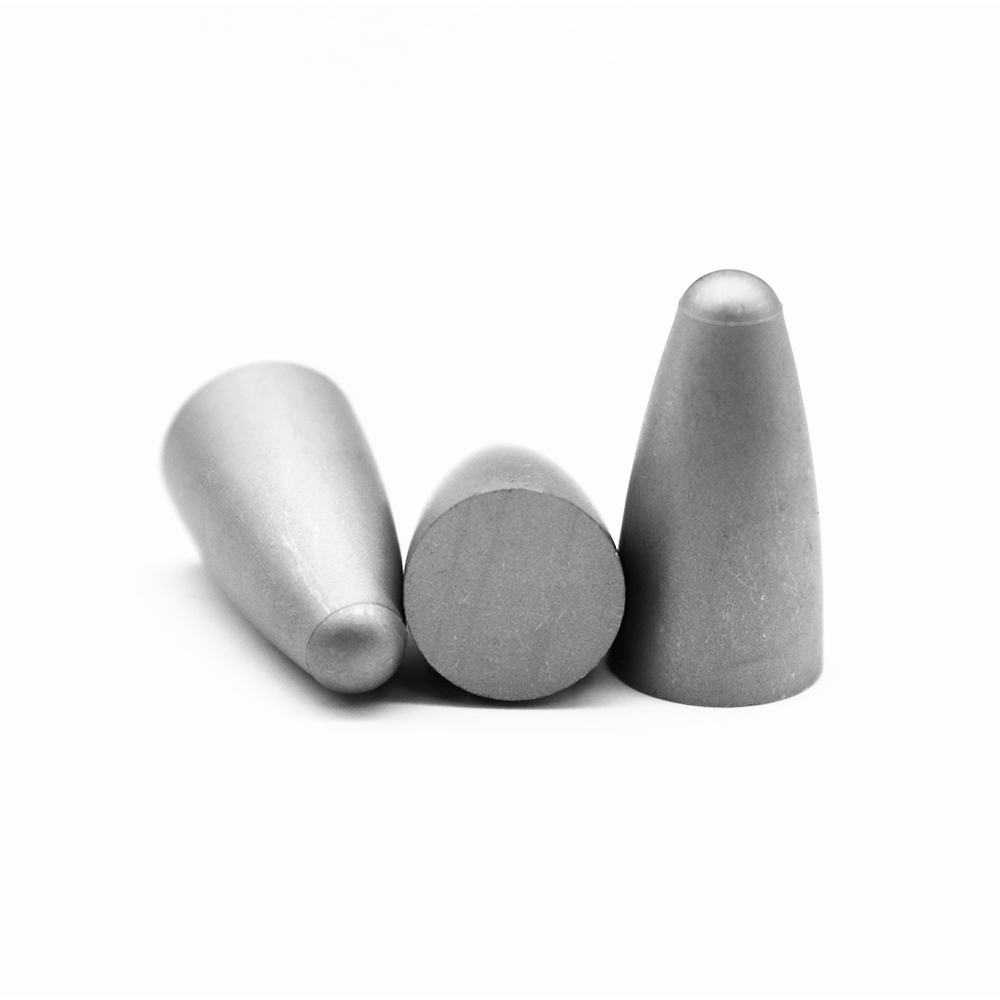
Bitikên bişkojkên alloyeya hişk nîşan didin serhişkiya pir bilind û berxwedana cilê ya berbiçav, rê dide wan ku di dema operasyonên sondajê yên demdirêj de li hember xitimandin û xişandina mezin bisekinin.
Materyalên alloyek hişk di heman demê de berxwedana bandorê ya hêja jî peyda dikin, dihêlin ku ew di pêvajoya sondajê de bandorên cûrbecûr ji nişka ve ragirin, di operasyonên sondajê de aramî û domdarî peyda bikin.
V. Pêşeroj û Zehmetiyên Pêşerojê
China's "14th Five-Year Plan" explicitly emphasizes enhancing oil and gas supply capacity and improving development standards, charting the course for the advancement of hard alloys in the oil and gas drilling sector.
Her ku kûrahiya sondajê ya neft û gazê her ku diçe zêde dibe û karbidestiya sondajê baştir dibe, dê hewcedariyên performansê yên ji bo tîrêjên lêdana hişk jî zêde bibin.
Pargîdaniyên pîşesaziyê naha balê dikişînin ser lêkolîn, pêşkeftin û hilberîna bitikên bişkojkên bi kalîte û jêrzemîna PDC-ya bilind a ji bo derxistina neft û gazê. Ew di lêkolîna aligirên sondajê yên kûr-kûr de digerin, hewl didin ku pirsgirêkên "tengê" yên di sondakirina enerjiya neteweyî û materyalên kolandina zinaran de çareser bikin.