

Why Choose Carbide Scarifier Cutters?

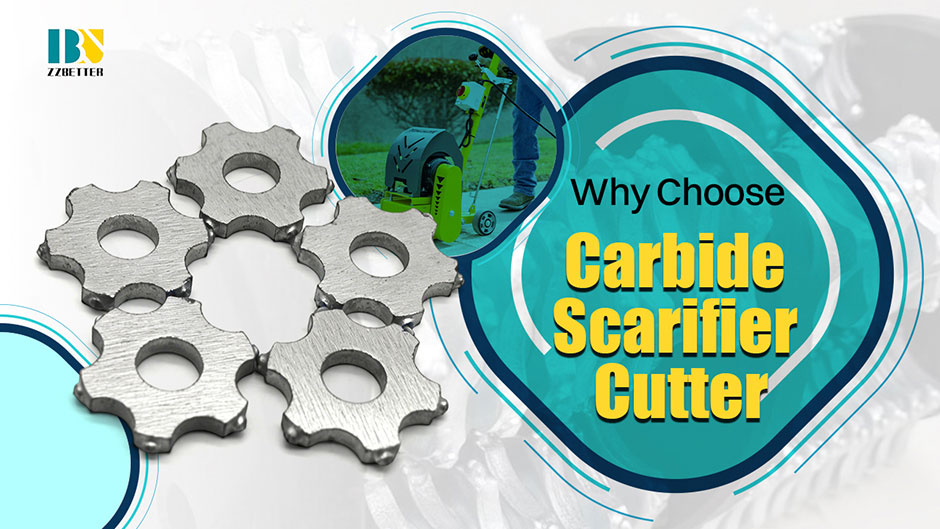
In the pavement maintenance and mining industries, the choice of scarifier cutters directly impacts work efficiency and cost control. Carbide scarifier cutters, with their superior wear resistance and impact toughness, have become the tool of choice for many professional engineers.
In fields such as road milling, coal seam extraction, and mining, cutting tool performance directly impacts work efficiency, construction quality, and operating costs. As core cutting components in these industries, carbide scarifier cutters, with their exceptional performance characteristics, have become the preferred solution for professional engineers.
I. Excellent Wear Resistance and Extended Service Life
Carbide scarifier cutters are manufactured using a low-pressure sintering process using coarse-grained WC-Co powder, resulting in high wear resistance. This material structure ensures that the scarifier cutter maintains sharpness and shape stability over time when processing asphalt mixtures, concrete bases, and even various rock formations.
Compared to traditional tools, carbide scarifier cutters exhibit significantly reduced wear, which translates to longer replacement cycles and lower long-term operating costs. For large-scale engineering projects, this increased durability directly translates into improved construction efficiency and reduced overall costs.
II. Excellent Impact Resistance, Reduced Unexpected Breakage
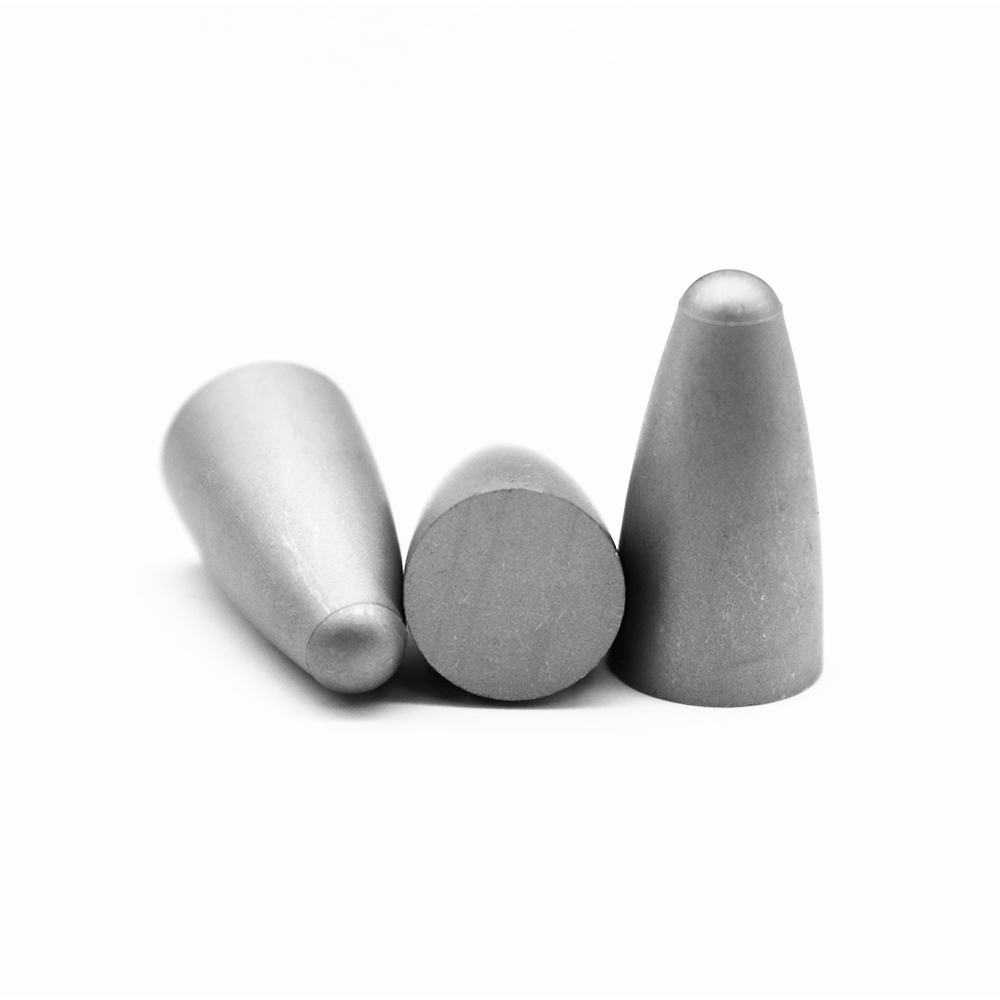
The design of the carbide scarifier cutter fully considers the impact loads encountered in the working environment. The tooth tip typically features a conical structure with a spherical top. This structure effectively disperses impact forces and prevents stress concentration.
Furthermore, carbide material inherently possesses high flexural strength (for example, YG11C material has a flexural strength of up to 2700 MPa), maintaining structural integrity even under severe impact and reducing the risk of unexpected breakage. This characteristic is particularly important when working with uneven materials or encountering hidden obstacles, as it prevents tool breakage, leading to interruptions and equipment damage.
III. Optimized Design, Improved Efficiency
The design of the modern carbide scarifier cutter has been meticulously optimized to improve efficiency in multiple ways:
3.1. Innovative Tooth Structure: Many carbide scarifier cutters feature a hexahedral upper section and a curved lower section at the connection to the tooth base. This design facilitates the dissipation of cuttings and dust, prevents material clogging, and maintains continuous efficiency.
3.2. Excellent Heat Dissipation: Carbide inherently has excellent thermal conductivity. Combined with optimized design (such as the radially distributed concave blades on the underside of some models), this further enhances heat dissipation, preventing performance degradation caused by overheating during operation.
3.3 Improved Welding Strength: Some advanced models feature a blind air hole at the center of the tooth base and several evenly distributed protrusions (such as three small hemispheres). These features eliminate air evacuation during welding, increase weld strength, and ensure tool stability during operation.
IV. Wide Application, Adaptable to Various Working Conditions
Carbide scarifier cutters have a wide range of applications and can be used in:
● Pavement Maintenance: Excavation and renovation of asphalt concrete surfaces on highways, urban roads, airports, and freight yards.
● Defect Repair: Removal of road surface defects such as bumps, oil ripples, webbing, and rutting.
● Excavation: Excavation of road potholes and grooves.
● Concrete Pavement Treatment: Milling of roughened concrete pavement and surface misalignment.
● Mining: Coal seam extraction and mining.