

Volframa karbīda gultņi: labākais risinājums augstas veiktspējas rūpnieciskiem lietojumiem

Volframa karbīda gultņi: labākais risinājums augstas veiktspējas rūpnieciskiem lietojumiem
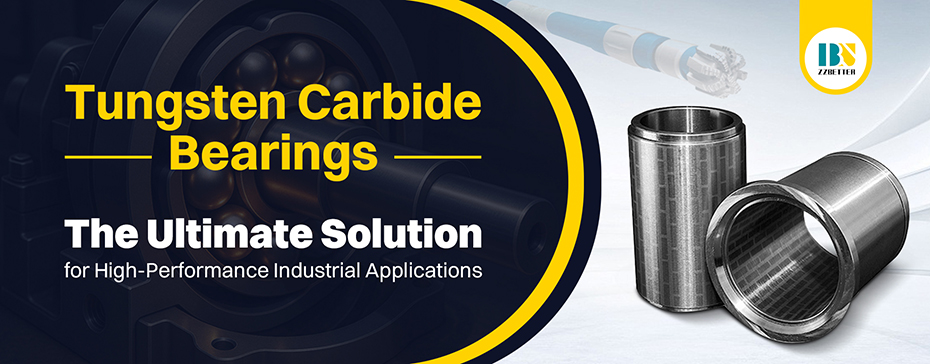
Rūpniecisko iekārtu jomā gultņi kalpo kāmugurkaulsvienmērīgu darbību, bet ne visi gultņi ir izveidoti vienādi.Volframa karbīda gultņiir parādījušies kā spēles mainītājs, piedāvājumsnepārspējama izturība un veiktspējakas pārspēj tradicionālos materiālus, piemēram, tēraudu vai keramiku. Šie gultņi ir veidoti tā, lai tie varētu attīstītiesvisprasīgākā vidē,padarot tos neaizstājamus galvenajās nozarēs.
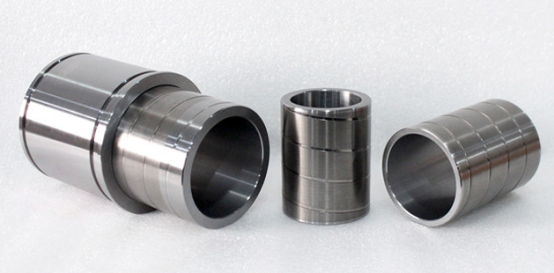
Viena no spilgtākajām volframa karbīda gultņu priekšrocībām ir tāsizcila cietība, mērot ar 90-95 HRA (Rokvela cietības skala). Šis īpašums viņiem ļaujizturēt lielas slodzes, lielu ātrumu un abrazīvas daļiņasbez deformācijas vai nolietošanās, kas ir būtiska iezīme tādās nozarēs kā ieguves rūpniecība, nafta un gāze un ražošana. Ieguves operācijās, piemēram, volframa karbīda gultņiem ir jaudas konveijera sistēmas un drupinātāji, kas iztur pastāvīgu berzi no minerālu nogulsnēm un skarbajiem putekļiem. Naftas un gāzes rūpniecībā tie izceļas ar urbumu urbšanas instrumentiem, kur tie ir izturīgi pret koroziju no skābiem šķidrumiem un saglabā integritāti ekstremālā spiedienā (līdz 10 000 psi) un temperatūrā (virs 300°C). Atšķirībā no tērauda gultņiem, kas bieži ir jāmaina nodiluma dēļ, volframa karbīda varianti var lepoties ar līdz pat 10 reizēm ilgāku kalpošanas laiku, krasi samazinot uzturēšanas izmaksas un dīkstāves uzņēmumiem.
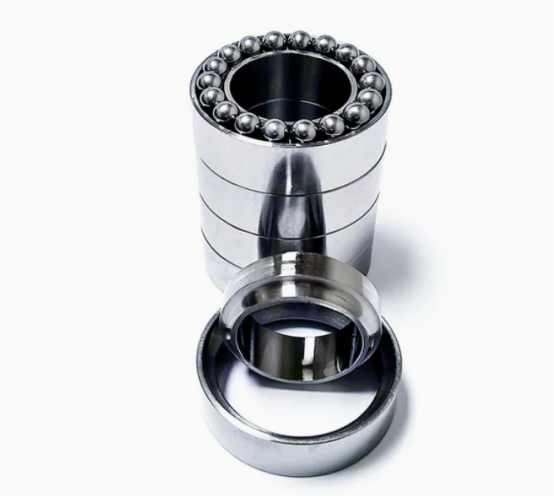
Vēl viens svarīgs ieguvums ir viņuizcila izturība pret koroziju. Tradicionālie tērauda gultņi ir pakļauti rūsai un degradācijai, ja tie ir pakļauti mitrumam, ķimikālijām vai sālsūdenim, taču volframa karbīda inertā daba tos pasargā no šādiem bojājumiem. Tas padara tos ideāli piemērotus izmantošanai jūrniecībā, piemēram, dzenskrūves vārpstām un zemūdens sūkņiem, kā arī ķīmiskās apstrādes rūpnīcās, kur gultņi nonāk saskarē ar kodīgiem šķīdinātājiem. Turklāt to zemais berzes koeficients nodrošina vienmērīgu rotāciju pat lielā ātrumā, samazinot enerģijas zudumus un uzlabojot iekārtu efektivitāti, kas ir būtisks faktors nozarēm, kas cenšas samazināt oglekļa pēdas un darbības izmaksas.
Lai gan volframa karbīda gultņi nodrošina izcilu veiktspēju, toprojektēšana un uzstādīšanaprasa precizitāti. Ražotāji tos bieži pielāgo īpašiem lietojumiem, pielāgojot tādus faktorus kā klīrenss, pārklājums (piemēram, dimantiem līdzīgs ogleklis papildu eļļošanai) un hermētiķa veids, lai optimizētu veiktspēju. Pareiza apkope, piemēram, regulāra eļļošana ar augstas temperatūras smērvielām, vēl vairāk pagarina to kalpošanas laiku.
Tā kā nozares turpina virzīt ātruma, slodzes un vides noturības robežas, volframa karbīda gultņi ir gatavi spēlēt vēl svarīgāku lomu. No progresīviem ražošanas robotiem līdz atjaunojamās enerģijas iekārtām, piemēram, vēja turbīnu ģeneratoriem, to spēja apvienot cietību, izturību pret koroziju un ilgmūžību padara tos par labāko izvēli inženieriem, kuri meklē uzticamus, augstas veiktspējas risinājumus. Pasaulē, kur iekārtu efektivitāte un izturība tieši ietekmē produktivitāti un rentabilitāti, volframa karbīda gultņi ir pierādījums tam, kāinovatīvi materiāli var pārveidot rūpnieciskās darbības.