

Решавање на вообичаени проблеми при заварување со совети за пила од волфрам карбид

Решавање на вообичаени проблеми при заварување со совети за пила од волфрам карбид
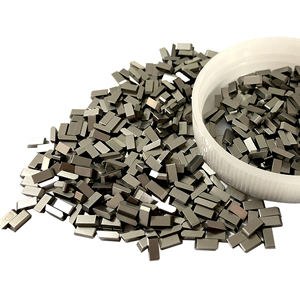
Советите за пила со волфрам карбид (WC) за заварување на алатите за сечење е критичен процес кој влијае на перформансите и долговечноста на алатите. Меѓутоа, овој процес често може да претставува предизвици кои, доколку не се решат, може да доведат до неуспеси во финалниот производ. Разбирањето на вообичаените проблеми со заварувањето и нивните решенија е од суштинско значење за обезбедување на висококвалитетни завари и оптимални перформанси на алатот. Оваа статија ги разгледува распространетите проблеми што се среќаваат при заварувањето на врвовите од волфрам карбид и нуди практични стратегии за отстранување проблеми.
1. Недоволна пенетрација
Проблем: Недоволна пенетрација се јавува кога заварот не навлезе целосно во основниот материјал, што доведува до слаби споеви кои можат да откажат под стрес.
Причини: Ниска влезна топлина: недоволната топлина може да го спречи правилното топење на основниот материјал.
Неправилно позиционирање на електродата: несоодветен агол или растојание може да го ограничи ефективниот пренос на топлина.
Решенија: Прилагодете ги параметрите за заварување: Зголемете ги поставките за струја и напон за да обезбедите повеќе топлина. Уверете се дека брзината на патување е соодветна за да се овозможи доволно топење.
Оптимизирајте го аголот на електродата: поставете ја електродата на правилен агол и растојание за да обезбедите ефективна дистрибуција на топлина.
2. Пукнатини во заварот
Проблем: може да дојде до пукање во зрното на заварувањето или во зоната погодена од топлина (HAZ), што ќе доведе до катастрофални дефекти.
Причини: Прекумерна топлина: Прегревањето може да создаде термички стресови, што резултира со пукнатини.
Загадувачи: маслото, маснотиите или оксидацијата на површините може да доведат до слаба фузија и пукање.
Решенија: Контрола на влезната топлина: Користете техники како што е импулсно заварување за да го минимизирате внесот на топлина и да спречите прегревање. Загрејте ја подлогата ако е потребно за да го намалите термичкиот шок.
Темелно чистење: проверете дали сите површини се прецизно исчистени пред заварување за да се елиминираат загадувачите.
3. Порозност
Проблем: Порозноста се однесува на присуството на џебови за гас во заварот, што го ослабува спојот и може да доведе до предвремено откажување.
Причини: Несоодветна заштита: Недоволната заштита од атмосферски загадувачи за време на процесот на заварување може да внесе гасови.
Влага во материјалот за полнење: Ако материјалот за полнење ја апсорбира влагата, може да произведе гас за време на процесот на заварување.
Решенија: Подобрете ја заштитата: Обезбедете брзината на протокот на заштитниот гас да е соодветна и конзистентна. При ТИГ заварување, проверете дали покриеноста со гас е доволна за да го заштити заварениот базен.
Материјали за суво полнење: Чувајте ги материјалите за полнење правилно за да спречите апсорпција на влага и користете ги веднаш по отворањето.
4. Неквалитетна фузија
Проблем: Лошата фузија се јавува кога врвот на волфрам-карбид не се врзува целосно со подлогата, што доведува до слаби споеви.
Причини: несоодветна техника на заварување: Несоодветната топлина или неправилниот агол на заварување може да го спречи правилното спојување.
Некомпатибилност на материјали: Разликите во коефициентите на термичка експанзија помеѓу материјалите може да доведат до несоодветно поврзување.
Решенија: Прилагодете ги техниките на заварување: експериментирајте со различни брзини, агли и топлински поставки за заварување за да ја подобрите фузијата. Уверете се дека техниката на заварување овозможува соодветно топење и на карбидот и на подлогата.
Изберете компатибилни материјали: Користете компатибилни материјали за полнење што одговараат на топлинските својства и на волфрам карбидот и на основниот материјал.
5. Прекумерно искривување
Проблем: може да дојде до прекумерно искривување за време на заварувањето, што ќе доведе до искривување на сечилото на пилата или погрешно усогласување на врвовите.
Причини: Нерамномерно загревање: Брзото загревање и ладење може да предизвикаат нерамномерна контракција и проширување.
Несоодветна поддршка: Ако работното парче не е соодветно поддржано, може да се витка за време на заварувањето.
Решенија: Контролирајте ги стапките на греење и ладење: имплементирајте техники за претходно загревање и контролирано ладење за да ги минимизирате топлинските градиенти. Термичките третмани по заварувањето исто така можат да помогнат во ублажување на стресот.
Обезбедете соодветна поддршка: користете тела или жици за да го стабилизирате работното парче за време на заварувањето, осигурувајќи се да остане подредено.
Заклучок
Решавањето проблеми со вообичаените проблеми со заварувањето со врвовите на пилата со волфрам карбид бара темелно разбирање на процесот на заварување и потенцијалните предизвици. Со препознавање на причините за проблемите како што се недоволна пенетрација, пукање, порозност, слаба фузија и прекумерно изобличување, производителите можат да имплементираат ефективни решенија за подобрување на квалитетот на нивните завари. Континуираното следење и прилагодување на параметрите за заварување, заедно со прецизна подготовка и чистење, се клучни за постигнување оптимални перформанси кај алатите со волфрам карбид. Како што еволуира индустријата за тврди метали, одржувањето на високи стандарди во практиките за заварување ќе остане од суштинско значење за производство на сигурни и ефикасни алатки за сечење.