

Carbide VS Diamond

Carbide VS Diamond

Carbide and diamond are two of the most widely used materials in cutting tools and industrial applications, each with distinct properties and advantages. Understanding their differences is essential for selecting the right tool for specific tasks, particularly in machining and manufacturing. While carbide is known for its hardness and durability, diamond stands out for its exceptional cutting performance and thermal conductivity. This article will explore the unique characteristics of carbide and diamond, comparing their applications, performance, cost, and identification methods.
Can Carbide and Diamond Be Welded?
Welding techniques vary significantly between carbide and diamond, each presenting unique challenges:
1. Carbide Welding:
Carbide, particularly tungsten carbide, is typically not welded due to its extreme hardness and brittleness. Instead, carbide is generally joined to metal substrates through brazing. Key considerations for brazing carbide include:
Brazing Techniques: Specialized brazing techniques are required to ensure a strong bond between the carbide and the metal substrate. The choice of filler material is crucial for achieving effective bonding.
Temperature Control: Precise temperature control during the brazing process is essential to avoid degradation of the carbide material. Excessive heat can lead to cracking or loss of hardness.
Surface Preparation: Proper surface preparation is critical to ensure effective adhesion. This may involve cleaning and roughening the surfaces to enhance bonding.
2. Diamond Welding:
Diamond tools can also be challenging to weld due to the nature of the diamond material. Diamonds are often attached to metal substrates using techniques such as brazing or electroplating. Important considerations include:
Brazing Methods: Similar to carbide, diamond can be brazed to metal using specialized techniques to maintain the integrity of the diamond.
Electroplating: This method involves depositing a thin layer of metal onto the diamond surface, creating a strong bond while preserving the diamond's properties.
Temperature Sensitivity: Diamonds are sensitive to high temperatures, which can lead to thermal degradation. Therefore, controlling the heat during the joining process is critical.
In summary, while carbide is typically joined through brazing, diamond can be attached using both brazing and electroplating, each requiring specific techniques to maintain material integrity.
Scratch Resistance: Carbide vs. Diamond
Both carbide and diamond are known for their excellent scratch resistance, but their performance characteristics differ significantly:
1. Carbide:
Carbide is renowned for its hardness, ranking around 9 on the Mohs scale. This exceptional hardness makes carbide highly scratch-resistant, which is ideal for applications involving abrasive materials. However, it is important to note that while carbide can resist scratches effectively, it is also more brittle, which may lead to chipping if subjected to excessive force or impact.
2. Diamond:
Diamond is the hardest known material, boasting a hardness of 10 on the Mohs scale. This extraordinary hardness makes diamond the ultimate scratch-resistant material, capable of cutting through virtually any other substance. Diamond tools are widely used in applications that require precision cutting and minimal wear, such as in the machining of hard materials like ceramics and composites. Unlike carbide, diamond is less likely to chip and can maintain its cutting edge over extended periods, even in harsh environments.
In summary, while both carbide and diamond exhibit excellent scratch resistance, diamond outperforms carbide due to its superior hardness.
Impact Resistance: A Comparison
1. Carbide:
Carbide's hardness, while advantageous for cutting performance, makes it more susceptible to cracking under sudden impact or excessive stress. This brittleness can lead to catastrophic failure if carbide tools are not handled properly. As a result, carbide tools are best suited for consistent cutting conditions where steady pressure is applied.
2. Diamond:
Diamond, while exceptionally hard, can also be prone to chipping or fracturing if subjected to sudden impacts or lateral forces. However, the overall impact resistance of diamond can vary based on the specific type of diamond used and its bonding method. For instance, synthetic diamonds used in tools are engineered to improve toughness and reduce brittleness, making them suitable for demanding applications.
In summary, both carbide and diamond have specific weaknesses when it comes to impact resistance. While carbide is more prone to cracking, diamond can chip under certain conditions, requiring careful handling and application.
Cost Considerations
1. Carbide:
Carbide tools tend to be less expensive than diamond tools due to the lower cost of raw materials and simpler manufacturing processes. However, the overall cost-effectiveness of carbide tools should be evaluated based on their longevity and performance in specific applications. In high-volume or high-wear situations, carbide’s longer lifespan can provide a better return on investment.
2. Diamond:
Diamond tools, particularly those made with synthetic diamonds, tend to have a higher upfront cost due to the expensive manufacturing processes and materials involved. However, their exceptional performance and longevity can justify the initial investment, especially in applications requiring high precision and reduced downtime due to tool replacement.
How to Differentiate Carbide and Diamond?
1. Appearance:
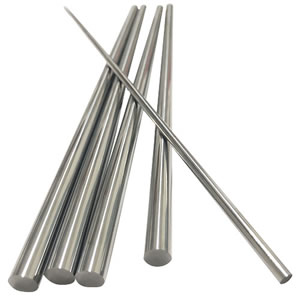
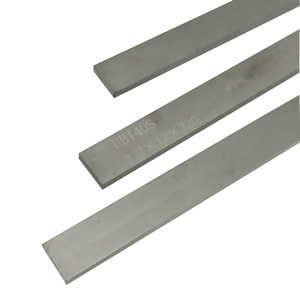
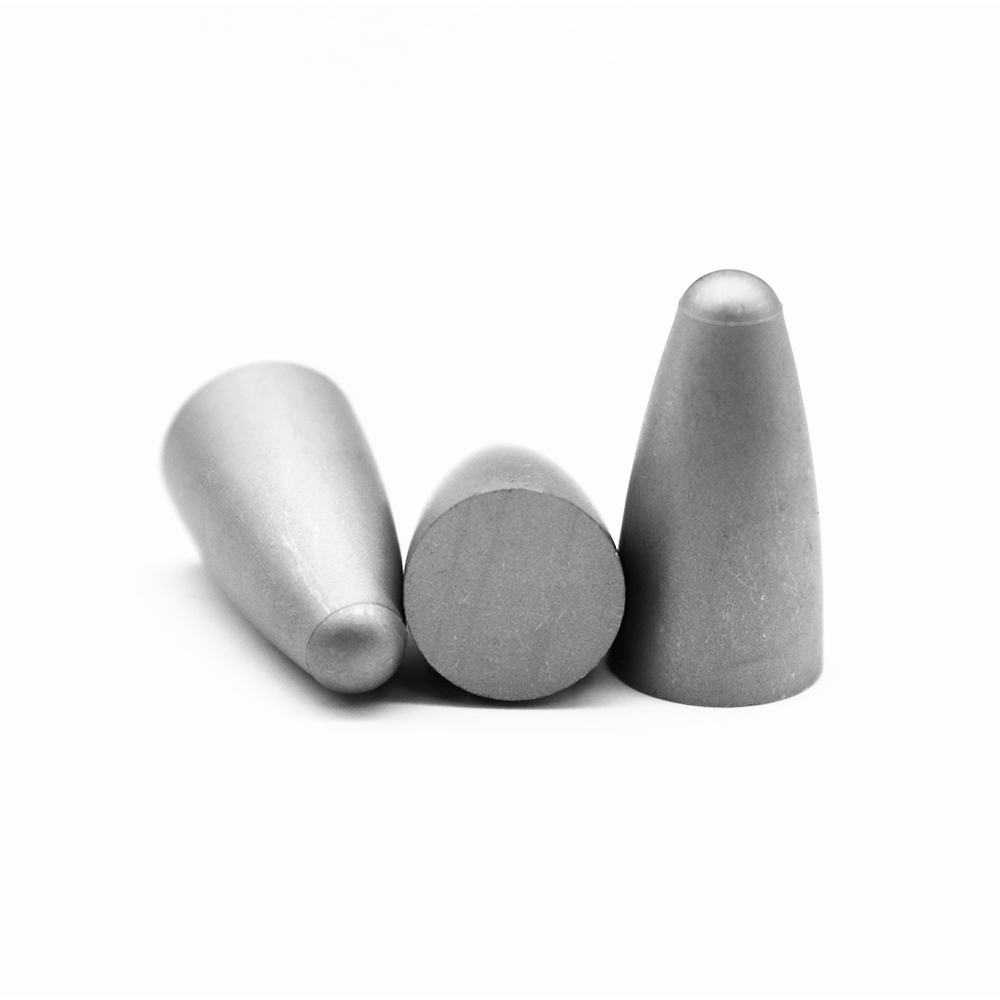
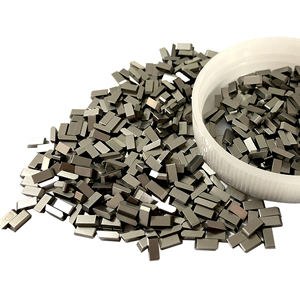
Carbide: Typically has a metallic gray appearance and is often used in inserts or tips for cutting tools.
Diamond: Usually appears transparent or translucent and has a high luster.
2. Weight:
Carbide: Denser and heavier compared to diamond.
Diamond: Much lighter due to its structure, which can be beneficial in specific applications.
3. Hardness:
Carbide: Extremely hard but not as hard as diamond, making it suitable for heavy-duty cutting.
Diamond: The hardest material known, making it ideal for precision cutting applications.
4. Thermal Conductivity:
Carbide: Good thermal conductivity, which helps in dissipating heat during cutting.
Diamond: Exceptional thermal conductivity, making it effective in high-speed machining applications.
5. Spark Test:
Carbide: Produces bright, short sparks when struck.
Diamond: Does not produce sparks when struck, as it is not a metallic material.
Conclusion
In conclusion, while both carbide and diamond are vital materials in the cutting tool industry, they serve distinct purposes based on their properties. Carbide excels in hardness and durability, making it suitable for a wide range of applications, while diamond offers unparalleled hardness and precision for specialized tasks. Understanding these differences is essential for selecting the right tool for specific applications, ensuring optimal performance and longevity in machining operations. Ultimately, the choice between carbide and diamond should consider factors such as application requirements, expected wear, and economic considerations to achieve the best results in industrial processes.