

Tungsten Carbide End Mills: Benefits and Uses

Tungsten Carbide End Mills: Benefits and Uses
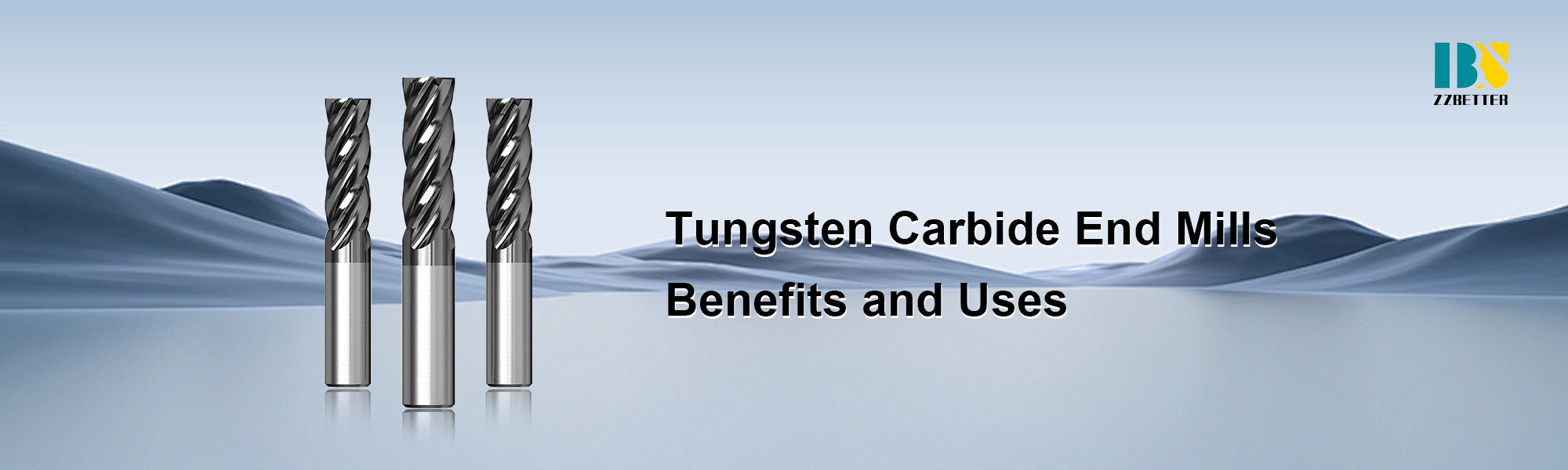
Tungsten carbide end mills are essential tools in modern machining processes, particularly known for their superior performance and durability. This article explores the unique properties of tungsten carbide, the advantages of using tungsten carbide (TC) end mills in composite material processing, comparisons with other milling materials, and the importance of collaborating with experienced tool manufacturers.
1. Understanding the Properties of Tungsten Carbide
Tungsten carbide is a compound composed of tungsten and carbon atoms, known for its remarkable hardness and wear resistance. This material is nearly as hard as diamond, making it ideal for cutting tools that require precision and longevity. Key characteristics of tungsten carbide include:
✔High Hardness: Tungsten carbide maintains its hardness even at elevated temperatures, allowing for high-speed machining without significant tool wear.
✔Durability: The toughness of tungsten carbide helps resist chipping and fracturing, crucial for maintaining the integrity of cutting edges during operation.
✔Corrosion Resistance: Tungsten carbide is less prone to corrosion than other tool materials, enhancing its performance in various environments.
These properties contribute significantly to the effectiveness of TC end mills in demanding machining applications.
2. Advantages of TC End Mills in Composite Material Processing
The machining of composite materials presents unique challenges due to their heterogeneous nature. TC end mills offer several advantages in this context:
✔Precision Cutting: The hardness of tungsten carbide allows for sharp cutting edges, enabling precise machining of intricate designs in composites without causing delamination or damage to the material.
✔Reduced Tool Wear: The wear resistance of TC end mills minimizes the need for frequent tool changes, thus increasing productivity and reducing downtime.
✔Improved Surface Finish: TC end mills produce superior surface finishes, which are critical when working with composite materials that require aesthetic and functional quality.
These benefits make tungsten carbide end mills the preferred choice for industries such as aerospace, automotive, and sports equipment manufacturing, where composite materials are prevalent.
3. Comparison of TC End Mills with Other Milling Materials
When comparing tungsten carbide end mills to other materials, such as high-speed steel (HSS) and cobalt, several distinctions emerge:
✔Hardness: Tungsten carbide is significantly harder than HSS and cobalt, allowing for faster cutting speeds and longer tool life.
✔Heat Resistance: TC end mills perform better at elevated temperatures, making them suitable for high-speed applications where heat generation is a concern.
✔Cost Efficiency: Although tungsten carbide tools typically have a higher upfront cost, their durability and longer lifespan lead to lower overall costs in high-volume production settings.
These comparisons highlight why tungsten carbide end mills are often the preferred option for precision machining tasks.
4. Collaborating with Experienced Tool Manufacturers
Partnering with experienced end mill manufacturers is crucial for optimizing the performance of tungsten carbide tools. Collaborating with knowledgeable suppliers offers several advantages:
✔Expertise and Guidance: Experienced manufacturers can provide valuable insights into tool selection, application-specific recommendations, and best practices for machining.
✔Customization: Many manufacturers offer custom solutions tailored to specific machining needs, ensuring that tools meet the unique requirements of various applications.
✔Quality Assurance: Established manufacturers adhere to stringent quality control processes, ensuring that the tungsten carbide end mills meet high standards for performance and reliability.
By working with reputable tool manufacturers, businesses can enhance their machining processes, achieve better results, and maximize the lifespan of their cutting tools.
Conclusion
Tungsten carbide end mills are indispensable tools in the machining industry, particularly for applications involving composite materials. Their unique properties, coupled with the advantages they offer over other milling materials, make them an ideal choice for precision machining. Furthermore, collaborating with experienced tool manufacturers can significantly enhance tool performance and overall machining efficiency. Adopting tungsten carbide end mills is a strategic decision that can lead to improved productivity and quality in various industrial applications.