

How to Choose Choke Valve Material

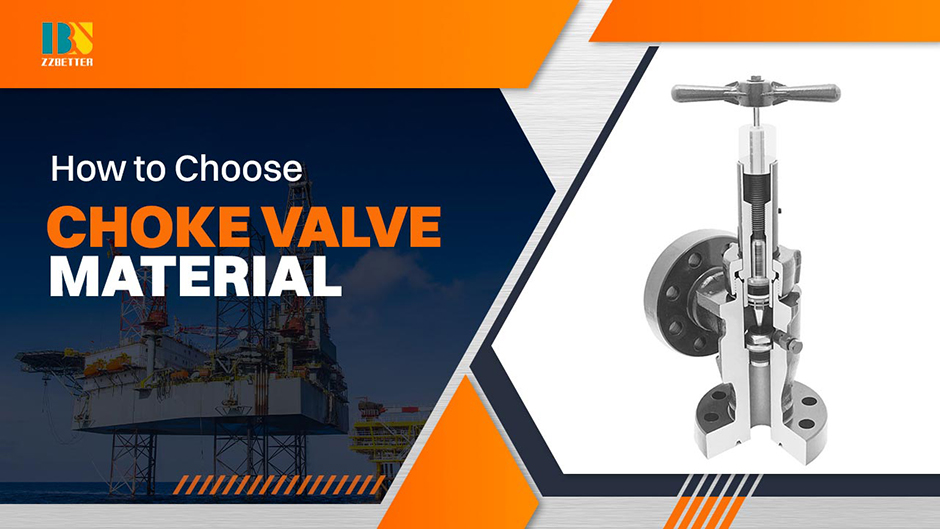
Material choice, design, and choke valve quality are critical considerations when choosing a choke as erosion, velocity-induced erosion, and cavitation are just a few of the conditions and threats a choke valve will face, given that it is so close to the wellhead. Given all the extreme conditions and pressures a choke valve encounters, selecting the right choke is critical since it is one of the most critical valves in your system.
Sizing, material selection, and design need to be some of the main things you think about when selecting a choke valve.
When you choose the choke valve, there are four quality issues that you should care about.
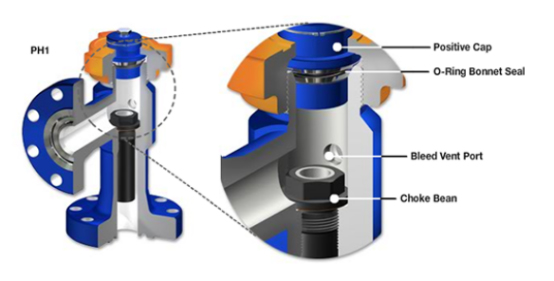
A.Corrosion
Valves are designed typically with a 20-year life. However, in this time, the whole valve would corrode because of a chemical reaction to the seawater. To counteract the effect of galvanic corrosion (the proximity of dissimilar metals to each while in water), cathodic protection is used.
B.Flashing
When oil and gas combine, they act as a liquid, having a vapour pressure (VP). If the local static pressure falls below the fluid VP, vapour bubbles are generated within the liquid – known as flashing. If the downstream static pressure remains below the fluid VP, then these vapour bubbles will remain in the downstream flow, causing erosion. To overcome this phenomenon, the correct materials must be selected, and the application designed to maintain flow at the correct velocity.
C. Cavitation
Even when the outlet pressure is higher than the VP, problems might still arise. If the pressure drops, allowing the liquid to become a gas and bubbles to form – these bubbles will collapse when returning to a liquid state. As this happens, the bubbles tear away at the material used in the valve – this could potentially ruin a valve in a matter of hours, if unchecked. The solution here is to use a low-recovery valve trim and to drop the pressure carefully using trim technology. This will eliminate cavitation and reduce flow velocity to prolong the life of the valve while maintaining an acceptable production rate.
This is where our anti-cavitation trim and valve design can prevent this issue.
D. Erosion
This takes place when physical materials such as sand are present in the pipeline. Using solid carbide would protect against sand erosion, but a stray piece of stone or rock would be likely to shatter such a fragile material. Steel outer cages known as brick stoppers are placed to avoid this. Fluid velocities being kept low also mitigate erosion rates.