

How to Choose Choke Valve Design and Sizes

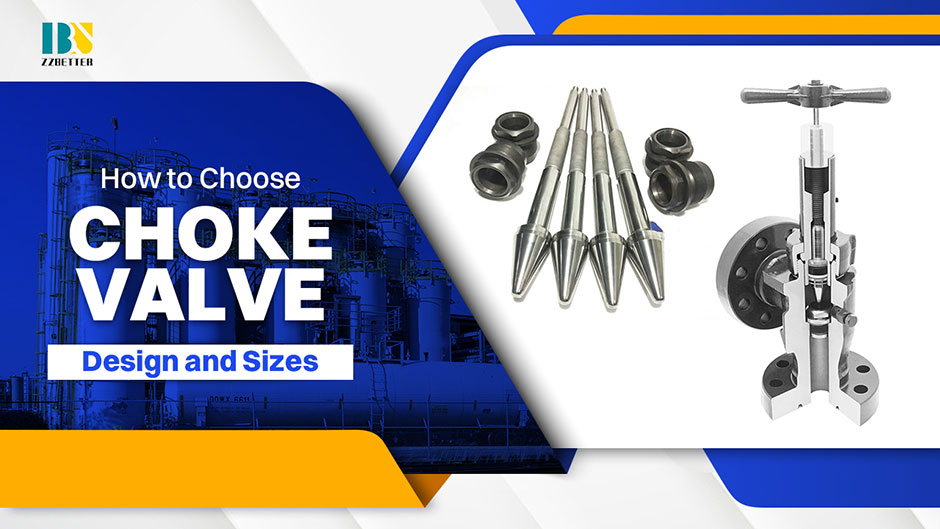
Choke valves come in different sizes to meet the flow control requirements of various applications. The size of the valve is determined by the size of the pipeline in which it will be installed and the flow rate that needs to be controlled.
The size of a choke valve is usually specified by the pipe size and pressure rating of the valve. The pipe size refers to the diameter of the pipeline, and can range from small diameter valves for low-pressure applications to large diameter valves for high-pressure applications. The pressure rating refers to the maximum pressure that the valve can handle and is usually specified in pounds per square inch (psi) or bar.
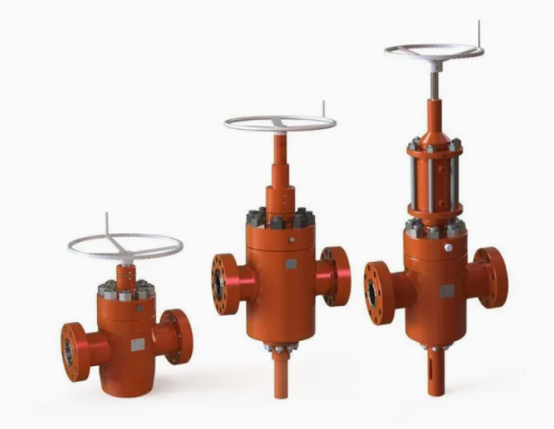
The size of the orifice in a choke valve is also important, as it determines the restriction in the pipeline and the flow rate that can be achieved. The size of the orifice can be fixed or adjustable, depending on the type of valve. Adjustable choke valves typically have a range of orifice sizes that can be used to achieve a wide range of flow rates.
It’s important to select the right size of choke valve for the application to ensure that it can handle the fluid flow rate and pressure, and that it will fit properly in the pipeline. It’s also important to select the right size of orifice to achieve the desired flow rate and to minimize the pressure drop across the valve.
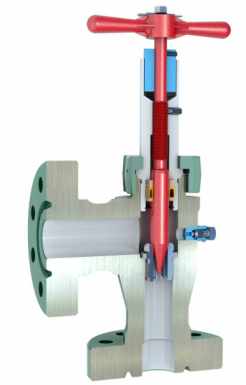
Choke valves have different pressure ratings, which refer to the maximum pressure that the valve can handle. The pressure rating is usually specified in pounds per square inch (psi) or bar. The pressure rating of a valve is determined by the material and construction of the valve, and is usually based on the maximum allowable working pressure (MAWP) for the valve.
Choke valves are available in a wide range of pressure ratings to meet the requirements of different applications. For example, low-pressure valves are typically rated for pressures up to 150 psi, while high-pressure valves can be rated for pressures up to 20,000 psi or more.
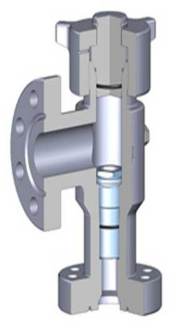
It is important to select a choke valve with the appropriate pressure rating for the application to ensure that it can safely handle the pressure of the fluid being controlled. If the valve is not rated for the maximum pressure of the fluid, it could fail and cause damage or injury.
When selecting a choke valve, it is important to consider the pressure rating, as well as the size, material, and construction of the valve, to ensure that it can handle the fluid flow rate and pressure, and that it will fit properly in the pipeline. It’s also important to consider the temperature rating of the valve to make sure that it can handle the temperature of the fluid.