

Analiza perspektyw rynku łożysk z węglika wolframu 02

Analiza perspektyw rynku łożysk z węglika wolframu 02
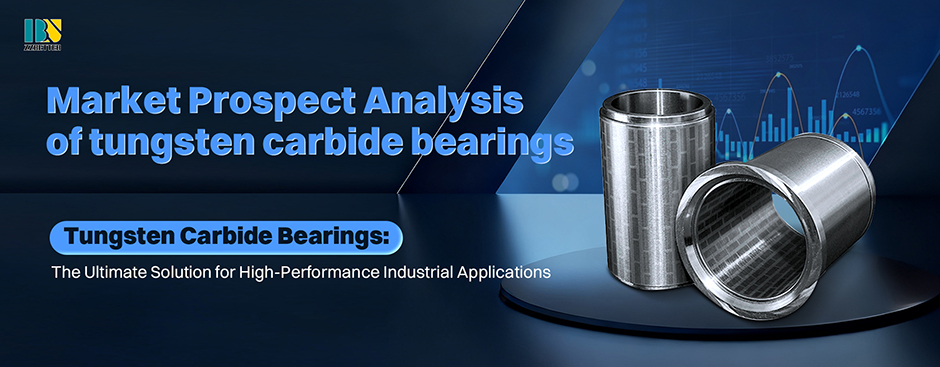 Kluczowe czynniki wzrostu
Dynamicznie rozwijające się wydobycie oraz poszukiwanie ropy i gazu: wraz ze wzrostem światowego zapotrzebowania na minerały (lit do akumulatorów pojazdów elektrycznych, miedź do produkcji energii odnawialnej) i zasobów energii, firmy wydobywcze inwestują w sprzęt o dużej wydajności, co napędza popyt na trwałe łożyska. Na przykład Międzynarodowa Agencja Energetyczna (IEA) przewiduje, że zapotrzebowanie na lit wzrośnie 40-krotnie do 2040 r., co zmusi kopalnie litu do stosowania komponentów odpornych na zużycie, takich jak łożyska z węglika wolframu. W branży ropy i gazu rozwijają się wiercenia głębinowe (wymagające łożysk wysokociśnieniowych) — oczekuje się, że wydobycie ropy na morzu wzrośnie o 25% do 2030 r., co jeszcze bardziej zwiększy sprzedaż łożysk węglikowych.
Rozwój energii odnawialnej: w szczególności energia wiatrowa jest głównym motorem wzrostu. Globalna Rada ds. Energii Wiatrowej (GWEC) zakłada osiągnięcie 2000 GW globalnej mocy wiatrowej do roku 2030 — każda turbina wiatrowa wymaga 3–5 łożysk wału głównego, a przejście ze stali na węglik wolframu (w celu ograniczenia konserwacji) staje się standardową praktyką. Elektrownie słoneczne, które działają w wysokich temperaturach (400°C+), również opierają się na łożyskach węglikowych w wymiennikach ciepła, co stanowi kolejny strumień zapotrzebowania.
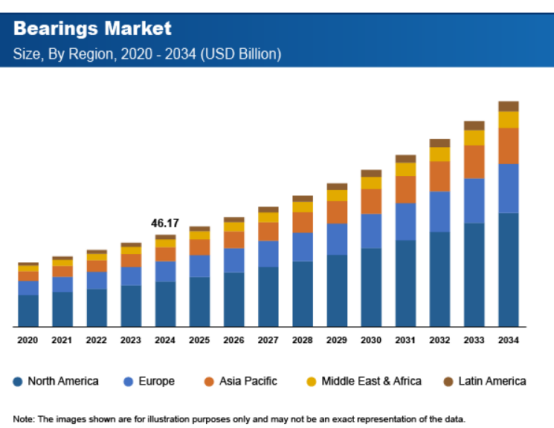
Automatyka przemysłowa i produkcja precyzyjna: Rozwój inteligentnych fabryk i robotyki (np. zautomatyzowanych linii montażowych, precyzyjnych maszyn CNC) wymaga łożysk o niskim tarciu i wysokiej dokładności. Stabilność wymiarowa węglika wolframu (nawet przy dużych prędkościach) czyni go idealnym do tych zastosowań — na przykład producenci samochodów wdrażają łożyska z węglików spiekanych w ramionach robotów spawalniczych, aby skrócić przestoje, a globalny rynek robotyki przemysłowej ma osiągnąć 189,5 miliarda dolarów do 2030 roku.
Potencjał rynku regionalnego
▶▷Azja i Pacyfik: Największy i najszybciej rozwijający się rynek, napędzany chińskim przemysłem wydobywczym (największym producentem minerałów na świecie) oraz indyjskimi poszukiwaniami ropy i gazu. Chińska polityka „podwójnego węgla” (szczyt emisji dwutlenku węgla do 2030 r., neutralność pod względem emisji dwutlenku węgla do 2060 r.) również wspiera instalacje elektrowni wiatrowych, których celem jest osiągnięcie 500 GW mocy wiatrowej do 2030 r., co stwarza ogromny popyt na łożyska węglikowe.
▶▷Ameryka Północna: Rynek dojrzały, ale o dużej wartości, z dużym popytem na ropę naftową z wybrzeży (Zatoka Meksykańska) i energię wiatrową (Wielkie Równiny w USA). Amerykańska ustawa o inwestycjach infrastrukturalnych i zatrudnieniu (1,2 biliona dolarów) obejmuje finansowanie energii odnawialnej i modernizacji górnictwa, co dodatkowo wspiera rozwój rynku.
▶▷Europa: Wiodąca pozycja w zakresie wykorzystania energii wiatrowej (Niemcy, Dania) i produkcji precyzyjnej, z rygorystycznymi przepisami dotyczącymi niezawodności sprzętu – co zwiększa popyt na łożyska z węglika wolframu.
Chociaż łożyska z węglika wolframu zapewniają niezwykłą wydajność, ich konstrukcja, montaż i konserwacja wymagają precyzji, aby zmaksymalizować żywotność. Nawet przy nieodłącznej trwałości niewłaściwa pielęgnacja może zagrozić ich wydajności i skrócić żywotność, dlatego przestrzeganie ukierunkowanych praktyk konserwacyjnych ma kluczowe znaczenie:
▶▷Optymalizacja smarowania: Chociaż węglik wolframu ma niskie tarcie, właściwe smarowanie zmniejsza zużycie resztkowe i zapobiega mikrotarciu. Stosuj wysokowydajne smary dostosowane do środowiska zastosowania: w przypadku zastosowań w wysokich temperaturach (np. odwierty naftowe, piece przemysłowe) wybierz smary syntetyczne o stabilności termicznej (zakres pracy od -40°C do 200°C lub więcej); do środowisk korozyjnych (np. zakłady morskie, zakłady chemiczne) wybieraj smary z dodatkami antykorozyjnymi, aby wzmocnić naturalną odporność materiału. Unikaj nadmiernego smarowania, ponieważ nadmiar smaru może uwięzić kurz lub zanieczyszczenia — nałóż cienką, jednolitą warstwę co 3-6 miesięcy (lub zgodnie z wytycznymi producenta) w zależności od intensywności użytkowania.
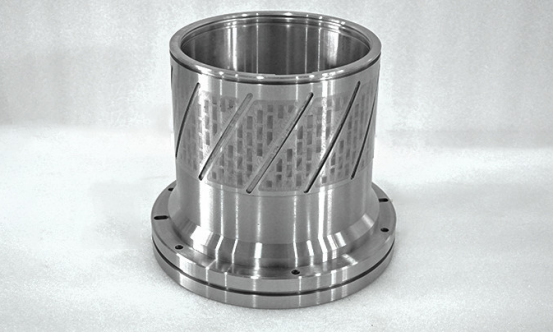
▶▷Regularna kontrola i czyszczenie: Harmonogram, s. 25kontrole okresowe w celu wykrycia wczesnych oznak problemów. W przypadku łożysk pracujących w środowiskach zapylonych lub ściernych (np. przenośniki górnicze) należy co miesiąc używać sprężonego powietrza (niskie ciśnienie, 30–50 psi) do wydmuchiwania zanieczyszczeń powierzchniowych, a następnie wycierać niestrzępiącą się szmatką zwilżoną rozpuszczalnikiem klasy przemysłowej (unikać ostrych środków chemicznych, które mogą uszkodzić uszczelki). Sprawdź, czy podczas pracy nie występują pęknięcia, uszkodzenia uszczelek lub nietypowe dźwięki — nietypowe wibracje lub odgłosy zgrzytania często wskazują na niewspółosiowość lub gromadzenie się zanieczyszczeń, którym należy natychmiast zaradzić.
▶▷Właściwe przechowywanie i obsługa: Łożyska z węglika wolframu, gdy nie są używane, należy przechowywać w suchym środowisku o kontrolowanej temperaturze (15–25°C, wilgotność
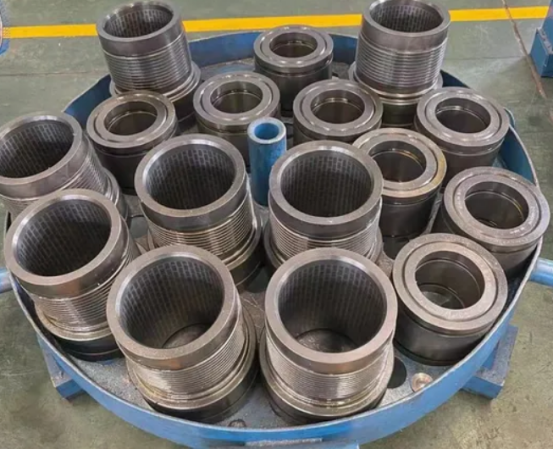
▶▷Ukierunkowana konserwacja w środowiskach specjalistycznych: w przypadku zastosowań ekstremalnych należy odpowiednio dostosować praktyki. W narzędziach do wiercenia wiertniczego po każdym użyciu przepłucz łożyska czystą cieczą wiertniczą, aby usunąć resztkowe pozostałości kwasowe; w generatorach turbin wiatrowych należy sprawdzać i ponownie smarować łożyska co 6 miesięcy (lub po 500 godzinach pracy), aby uwzględnić ciągłe wibracje wywołane wiatrem.
Ponieważ przemysł w dalszym ciągu przesuwa granice prędkości, obciążenia i odporności na środowisko, łożyska z węglika wolframu mogą odegrać jeszcze ważniejszą rolę. Ich zdolność do rozwiązywania problemów specyficznych dla sektora – czy to ścierania w kopalniach, ciśnienia ropy i gazu, korozji morskiej czy wibracji elektrowni wiatrowych – w połączeniu z silnymi czynnikami wzrostu rynku sprawia, że są one chętnie wybieranym wyborem dla inżynierów poszukujących niezawodnych i wydajnych rozwiązań.
W świecie, w którym wydajność i trwałość maszyn bezpośrednio wpływają na produktywność i rentowność, łożyska z węglika wolframu stanowią dowód na to, jak innowacyjne materiały mogą przekształcić operacje przemysłowe i tym samym zdobyć znaczącą wartość rynkową.