

ටංස්ටන් කාබයිඩ් ඇඹරුම් රෝද ෂැන්ක්ස් හි අසාර්ථක මාදිලි විශ්ලේෂණය කිරීම

ටංස්ටන් කාබයිඩ් ඇඹරුම් රෝද ෂැන්ක්ස් හි අසාර්ථක මාදිලි විශ්ලේෂණය කිරීම
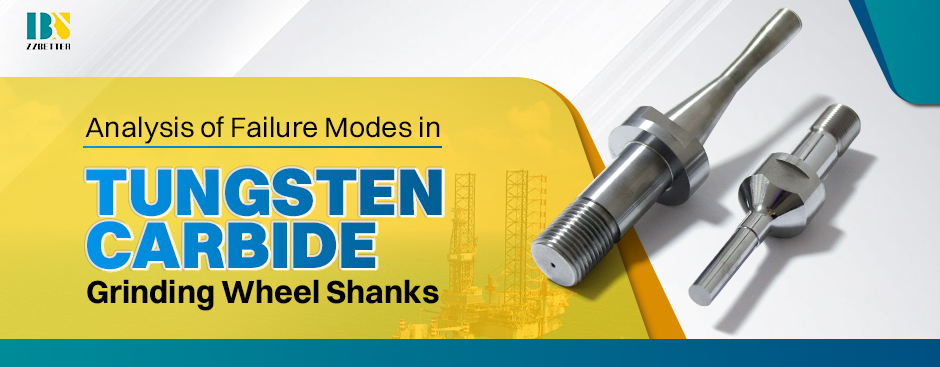
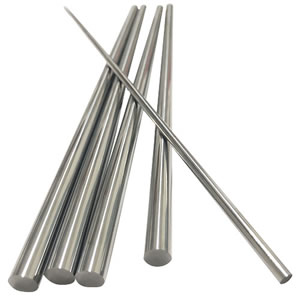
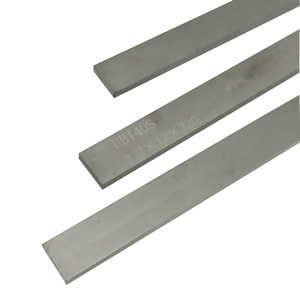
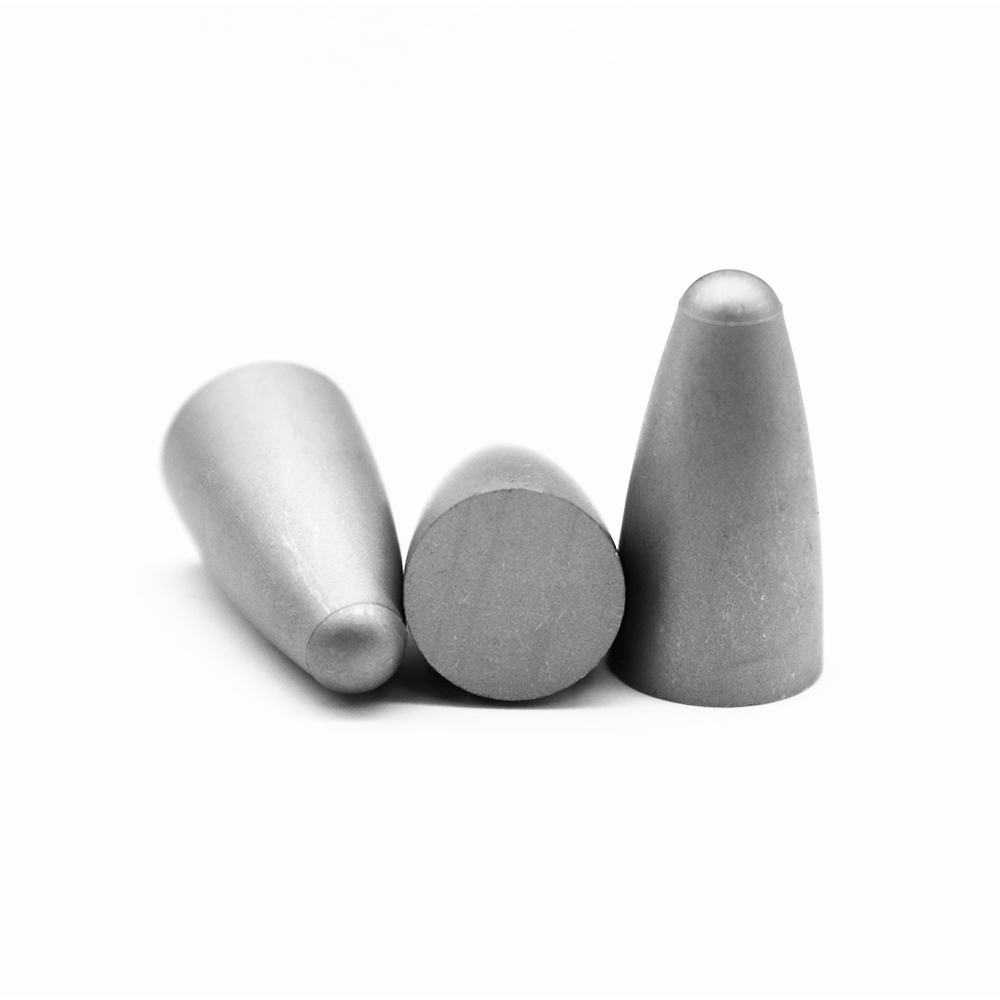
කාබයිඩ් ඇඹරුම් රෝද ෂැන්ක් යනු නිරවද්ය ඇඹරීමේ සහ අධිවේගී යන්ත්රකරණයේ තීරණාත්මක මෙවලමකි. එහි කාර්ය සාධනය සෘජුවම සැකසීමේ කාර්යක්ෂමතාව, වැඩ කොටස්වල ගුණාත්මකභාවය සහ නිෂ්පාදන පිරිවැය තීරණය කරයි. කෙසේ වෙතත්, සංකීර්ණ සේවා කොන්දේසි යටතේ, ෂේන්ක් මූලික වශයෙන් අසාර්ථක වීමේ ආකාර තුනකින් තර්ජනයට ලක් වේ: ඇඳීම, චිපින් කිරීම සහ අස්ථි බිඳීම. දිගුකාලීන සහ ස්ථාවර ක්රියාකාරිත්වය සහතික කිරීම සඳහා මෙම අසාර්ථකත්වයන් පිටුපස ඇති හේතු පිළිබඳ ගැඹුරු අවබෝධයක් අත්යවශ්ය වේ.
1. ඇඳීම (උල්ෙල්ඛ ඇඳුම්) - ක්රමානුකූල සහ නොවැලැක්විය හැකි ක්රියාවලියකි
ඇඳීම යනු අසාර්ථක වීමේ වඩාත් පොදු සහ නොවැළැක්විය හැකි ආකාරයකි. එය ප්රධාන වශයෙන් පෙනෙන්නේ වැඩ කොටස හා සම්බන්ධ වන කාබයිඩ් ඇඹරුම් පතුවළ කොටසෙහි ප්රමාණයේ මන්දගාමී හා ඒකාකාර අඩුවීමක් ලෙස ය.
ප්රධාන හේතු: අධික වේගයෙන් ඇඹරීමේදී, කුයිල් වල කාබයිඩ් මතුපිට වැඩ කොටස් ද්රව්යයට එරෙහිව දැඩි ඝර්ෂණයකට ලක් වේ (විශේෂයෙන් දෘඪ වානේ හෝ අධි-උෂ්ණත්ව මිශ්ර ලෝහ වැනි දෘඩ ද්රව්ය). මෙය ක්රමයෙන් ද්රව්යයේ කුඩා අංශු ක්රමයෙන් ගෙවී යයි. ප්රමාණවත් හෝ වැරදි සිසිලනකාරකයක් ඝර්ෂණය, තාප උත්පාදනය සහ උල්ෙල්ඛ ඇඳීම නරක අතට හැරිය හැක.
බලපෑම: ඇඳීම යන්ත්රෝපකරණ නිරවද්යතාවයේ අඩුවීමක් (උදා: විශාල වූ සිදුරු, විකෘති හැඩයන්) සහ වඩාත් නරක මතුපිට නිමාවට හේතු වේ. ඇඹරුම් බලවේග ද ක්රමයෙන් වැඩි වේ. ඇඳීම ප්රගතිශීලී වුවද, නිරවද්යතාවය නැතිවීම නිසා ඇති වන කොටස් සීරීම් කොටස් වැළැක්වීම සඳහා නිතිපතා පරීක්ෂා කිරීම අවශ්ය වේ.
2. චිපින් - දේශීයකරණය වූ බිඳෙනසුලු හානි
චිපින් යන්නෙන් අදහස් කරන්නේ කාබයිඩ් ලෑල්ලේ කැපුම් දාරයේ හෝ කොන් වල කුඩා පරිමාණයේ කැඩීම හෝ හානි වීමයි. මෙය දේශීයකරණය වූ බිඳෙනසුලු අසාර්ථක වර්ගයකි.
ප්රධාන හේතූන්: බලපෑම් පැටවීම: මෙවලම් නියැලීමේදී (කඩා වැටීම), වැඩ කොටසෙහි තද ලප හමුවීමේදී හෝ අසමාන ලෙස කැපීමේදී හදිසි බලපෑම් බලවේග ඇතිවේ.
තද කිරීමේ ගැටළු: අඩු නිරවද්යතාවයකින් යුත් කොලෙට් එකක්, අසමාන කලම්ප බලයක් හෝ අපිරිසිදුකමක්, භ්රමණයේදී කම්පනයට හෝ තරමක් සෙලවීමට හේතු විය හැක, දාර මත අසමාන බලයක් තබයි.
අඩු ද්රව්ය/දැඩි බව: ද්රව්යයටම අඩු බලපෑම් ප්රතිරෝධයක් තිබිය හැකිය, නැතහොත් ආෙල්පනය ඉතා ඝන හෝ ඉහළ අභ්යන්තර ආතතියක් ඇති බැවින් එය ක්ෂුද්ර චිපින් වලට ගොදුරු වේ.
බලපෑම: චිපින් කිරීම වහාම වැඩ කොටස මතුපිට ලකුණු හෝ සීරීම් ඇති කරයි, එය සීරීමට හේතු වේ. කුඩා චිපින් පවා පසුකාලීන ඇඳුම් ක්රියාවලිය වේගයෙන් වේගවත් කරනු ඇත.
3. අස්ථි බිඳීම - ව්යසනකාරී සම්පූර්ණ අසාර්ථකත්වය
අස්ථි බිඳීම යනු බරපතලම අසාර්ථක මාදිලිය වන අතර, සාමාන්යයෙන් කාබයිඩ් ෂැන්ක් විශාල පරිමාණයෙන් හෝ සම්පූර්ණයෙන් කැඩී යාම ඇතුළත් වේ.
ප්රධාන හේතු:
අධික නැමීමේ ආතතිය:ඉතා දිගු උඩු රැවුලක් භාවිතා කිරීම, හෝ පෝෂණ අනුපාතයක් හෝ ඉතා ඉහළ කැපුම් ගැඹුරක් භාවිතා කිරීම, ෂැන්ක්ගේ ශක්ති සීමාව ඉක්මවන නැමීමේ මොහොතක් නිර්මාණය කරයි.
අනුනාදනය සහ තෙහෙට්ටුව:විශාල ප්රත්යාවර්තක ආතතියක් ඇති කරමින් එහි ස්වාභාවික සංඛ්යාතයට (අනුනාදයට) ගැළපෙන්නේ නම් ෂේන්කයේ භ්රමණ වේගය ගැලපේ නම් අස්ථි බිඳීමක් සිදුවිය හැක. දිගුකාලීන චක්රීය පැටවීම හේතුවෙන් ක්ෂුද්ර ඉරිතැලීමකින් ආරම්භ වන තෙහෙට්ටුව අසාර්ථක වීමෙන් ද එය ප්රතිඵලයක් විය හැකිය.
අභ්යන්තර දෝෂ:අස්ථි බිඳීම සඳහා ආරම්භක ලක්ෂ්ය ලෙස ක්රියා කළ හැක්කේ ෂංකේ ද්රව්ය තුළ ඇති ක්ෂුද්ර හිස් හෝ අපද්රව්ය ය.
මෙහෙයුම් දෝෂය:දරුණු යන්ත්ර කඩා වැටීමක් ක්ෂණිකව කැඩී යාමේ සෘජු හේතුවකි.
බලපෑම: අස්ථි බිඳීම ව්යසනකාරී වේ. එහි ප්රතිඵලය වන්නේ මිල අධික ලෑල්ලක් නැතිවීම පමණක් නොව, යන්ත්ර ස්පින්ඩල් සහ වැඩ මේසයට හානි සිදු විය හැකි අතර, සැලකිය යුතු ආර්ථික අලාභයක් සහ ආරක්ෂිත අවදානමක් ඇති කරයි.
සාරාංශයක් ලෙස,මෙම අසාර්ථක මාදිලි තුන එකිනෙකට සම්බන්ධ වේ. ක්ෂුද්ර-චිපින් කිරීම අස්ථි බිඳීමක් සඳහා මූලාරම්භය බවට පත්විය හැකි අතර, අසමාන ඇඳීම මගින් කම්පනය ඇති කරමින් ෂැන්ක්හි ගතිකත්වය වෙනස් කළ හැකිය. අසාර්ථක වීම වැළැක්වීම සඳහා, ක්රමානුකූල පියවර ගත යුතුය:
විද්යාත්මක තේරීම:වැඩ ෙකොටස් ද්රව්ය, නිරවද්යතා අවශ්යතා සහ යන්ත්ර තත්ත්වයන් මත පදනම්ව නිවැරදි ෂේන් ද්රව්ය, ආලේපනය, විෂ්කම්භය සහ උඩින් පැනීම තෝරන්න.
නිවැරදි කලම්ප:ඉහළ නිරවද්යතාවයකින් යුත් කොලෙට් (උදා: හයිඩ්රොලික් කොලෙට්) භාවිතා කරන්න, ඒවා පිරිසිදු බව සහතික කර, නියමිත ව්යවර්ථයට තද කරන්න. ක්රියාවලි පරාමිතීන් ප්රශස්ත කරන්න: බලපෑම් බර වළක්වා ගැනීම සඳහා නිර්දේශිත වේගය, පෝෂණ අනුපාතය සහ කැපුම් ගැඹුර දැඩි ලෙස අනුගමනය කරන්න.
නිසි නඩත්තුව:ඵලදායී සිසිලනකාරක ප්රමාණවත් තරම් සපයා ඇති බවට සහතික වන්න. තොප්පියේ තත්ත්වය නිතිපතා පරීක්ෂා කර, පැළඳ සිටින හෝ හානි වූ කම්මුල් කඩිනමින් ප්රතිස්ථාපනය කරන්න.
මෙම අසාර්ථක යාන්ත්රණයන් අවබෝධ කර ගැනීමෙන් සහ ඉලක්කගත වැළැක්වීමේ උපාය මාර්ග ක්රියාත්මක කිරීමෙන්, ඔබට කාබයිඩ් ඇඹරුම් රෝද කුයිල් වල සේවා කාලය සැලකිය යුතු ලෙස දිගු කර ස්ථාවර හා කාර්යක්ෂම යන්ත්ර ක්රියාවලියක් සහතික කළ හැකිය.