

Analýza nákladov a prínosov používania predfrézovacích fréz PCD v strojoch na olepovanie hrán

Analýza nákladov a prínosov používania predfrézovacích fréz PCD v strojoch na olepovanie hrán
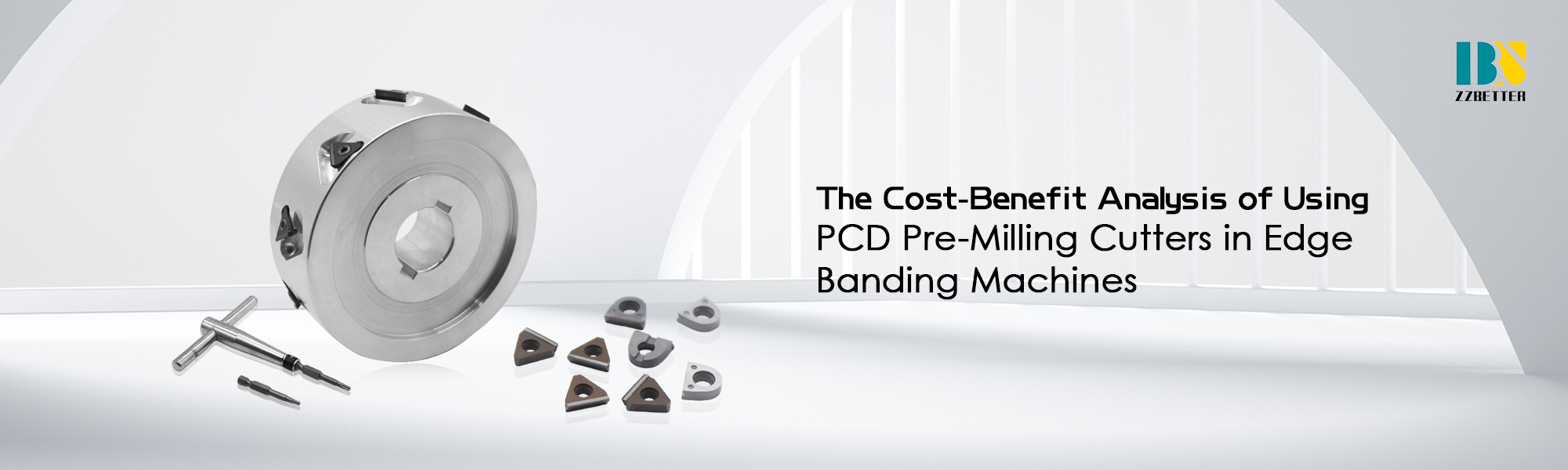
V drevospracujúcom priemysle je presnosť a efektívnosť prvoradá, najmä v procesoch, ako je olepovanie hrán, kde kvalita konečného produktu priamo ovplyvňuje spokojnosť zákazníkov. Spomedzi rôznych nástrojov používaných v strojoch na olepovanie hrán sa ako pozoruhodná možnosť objavili predfrézy s polykryštalickým diamantom (PCD). Tento článok predstavuje komplexnú analýzu nákladov a prínosov implementácie predfrézovacích fréz PCD v strojoch na olepovanie hrán, pričom zdôrazňuje počiatočnú investíciu aj potenciálne výhody, ktoré môžu zlepšiť výrobné procesy.
Pochopenie technológie PCD
Polykryštalický diamant (PCD) je syntetický materiál vytvorený z jemných diamantových častíc spekaných dohromady pri vysokom tlaku a teplote. PCD nástroje sú známe svojou výnimočnou tvrdosťou a odolnosťou proti opotrebeniu, vďaka čomu sú ideálne pre vysokovýkonné rezacie aplikácie. V súvislosti so strojmi na olepovanie hrán sa predfrézy PCD používajú na prípravu hrán panelov na nanášanie materiálu na olepovanie hrán, čím sa zabezpečuje hladká a presná povrchová úprava.
Počiatočné náklady na predfrézky PCD
Prvý aspekt analýzy nákladov a výnosov zahŕňa počiatočnú investíciu do predfrézok PCD. Vo všeobecnosti majú tieto nástroje vyššie počiatočné náklady v porovnaní s tradičnými karbidovými frézami. Ceny za predfrézy PCD sa môžu výrazne líšiť v závislosti od veľkosti, konfigurácie a výrobcu, pričom náklady sa často pohybujú od niekoľkých stoviek až po niekoľko tisíc dolárov.
Aj keď tieto vyššie počiatočné náklady môžu niektorých výrobcov odradiť, je nevyhnutné zvážiť dlhodobé výhody, ktoré nástroje PCD ponúkajú. Predĺžená životnosť nástrojov PCD môže pri hodnotení v priebehu času prevážiť ich počiatočnú nákupnú cenu.
Dlhá životnosť a životnosť nástroja
Jednou z najpresvedčivejších výhod používania predfrézok PCD je ich pôsobivá životnosť nástroja. PCD nástroje často vydržia niekoľkonásobne dlhšie ako tradičné karbidové frézy. Táto dlhá životnosť sa časom premieta do menšieho počtu výmen nástrojov a znížených nákladov na údržbu. V prostredí s veľkým objemom výroby môže schopnosť výrazne predĺžiť čas medzi výmenami nástrojov viesť k nižším prerušeniam prevádzky a zvýšeniu produktivity.
Zvážte nasledujúci hypotetický scenár: ak karbidový nástroj vydrží približne 200 hodín a stojí 150 USD, zatiaľ čo nástroj PCD vydrží 1 000 hodín a stojí 700 USD, kritickým faktorom sa stávajú náklady na hodinu životnosti nástroja. Nástroj z karbidu má cenu 0,75 USD za hodinu, zatiaľ čo nástroj PCD má cenu 0,70 USD za hodinu. Zatiaľ čo počiatočné náklady na nástroje PCD sú vyššie, celkové výdavky na nástroje sa znižujú vďaka ich rozšírenému používaniu.
Zvýšená efektivita výroby
Implementácia predfrézovacích fréz PCD v strojoch na olepovanie hrán ovplyvňuje nielen životnosť nástroja, ale zvyšuje aj celkovú efektivitu výroby. PCD nástroje vynikajú dosahovaním vysokých rezných rýchlostí bez obetovania kvality rezu. Táto efektívnosť zvyšuje výrobné rýchlosti, čo umožňuje výrobcom rýchlejšie plniť objednávky a lepšie reagovať na požiadavky trhu.
Navyše vynikajúca kvalita rezu produkovaná nástrojmi PCD má za následok hladšie hrany, ktoré sú rozhodujúce pre úspešné lepenie počas procesu olepovania hrán. Hladké rezy vyžadujú menej dokončovacích prác, čím sa znižujú náklady na pracovnú silu a prestoje spojené s dodatočným brúsením alebo prepracovaním. Toto zlepšenie kvality a efektívnosti prispieva k zefektívneniu výrobného procesu, čo vedie k potenciálnym úsporám nákladov.
Znížené šrotovné
Kontrola kvality je kľúčovým aspektom výroby, najmä pri spracovaní dreva. Použitie predfrézovacích fréz PCD minimalizuje chyby, ako sú triesky alebo triesky, ktoré môžu viesť k plytvaniu materiálom a zvýšeniu miery odpadu. Znížením pravdepodobnosti chýb môžu výrobcovia optimalizovať využitie materiálu a znížiť náklady spojené s odpadom materiálu.
Pozitívny vplyv na kvalitu produktov ovplyvňuje nielen výrobné náklady, ale zvyšuje aj spokojnosť zákazníkov. Dodávka vysokokvalitných hotových produktov môže zlepšiť reputáciu značky a zvýšiť opakovaný obchod, čo je neoceniteľné pri udržiavaní ziskovosti a konkurenčnej výhody.
Záver
Na záver, analýza nákladov a prínosov používania predfrézovacích fréz PCD v strojoch na olepovanie hrán predstavuje presvedčivý dôvod na ich prijatie v drevospracujúcom priemysle. Aj keď počiatočná investícia do týchto nástrojov môže byť vyššia ako pri tradičných možnostiach, výhody predĺženej životnosti nástrojov, zvýšenej efektívnosti výroby a zníženej miery šrotu prispievajú k významným dlhodobým úsporám nákladov.
Využitím technológie PCD môžu výrobcovia zlepšiť svoje výrobné procesy, zlepšiť kvalitu produktov a v konečnom dôsledku dosiahnuť väčšiu spokojnosť zákazníkov. Keďže drevospracujúci priemysel sa neustále vyvíja, investície do vysokovýkonných rezných nástrojov, ako sú predfrézy PCD, umožňujú podnikom prosperovať na konkurenčnom trhu, čo podčiarkuje dôležitosť prijímania informovaných rozhodnutí na základe dôkladného porozumenia pomeru nákladov a prínosov.