

Grykë karabit tungsteni për shpimin PDC

Grykë karabit tungsteni për shpimin PDC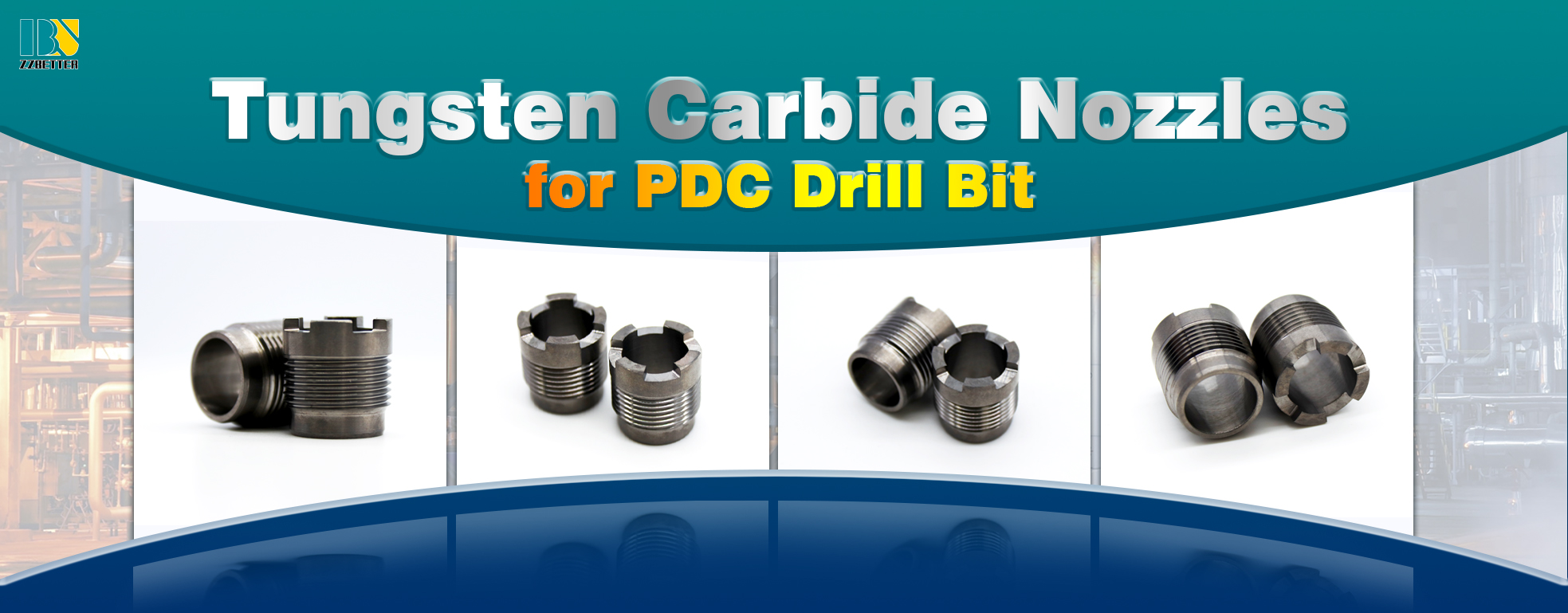
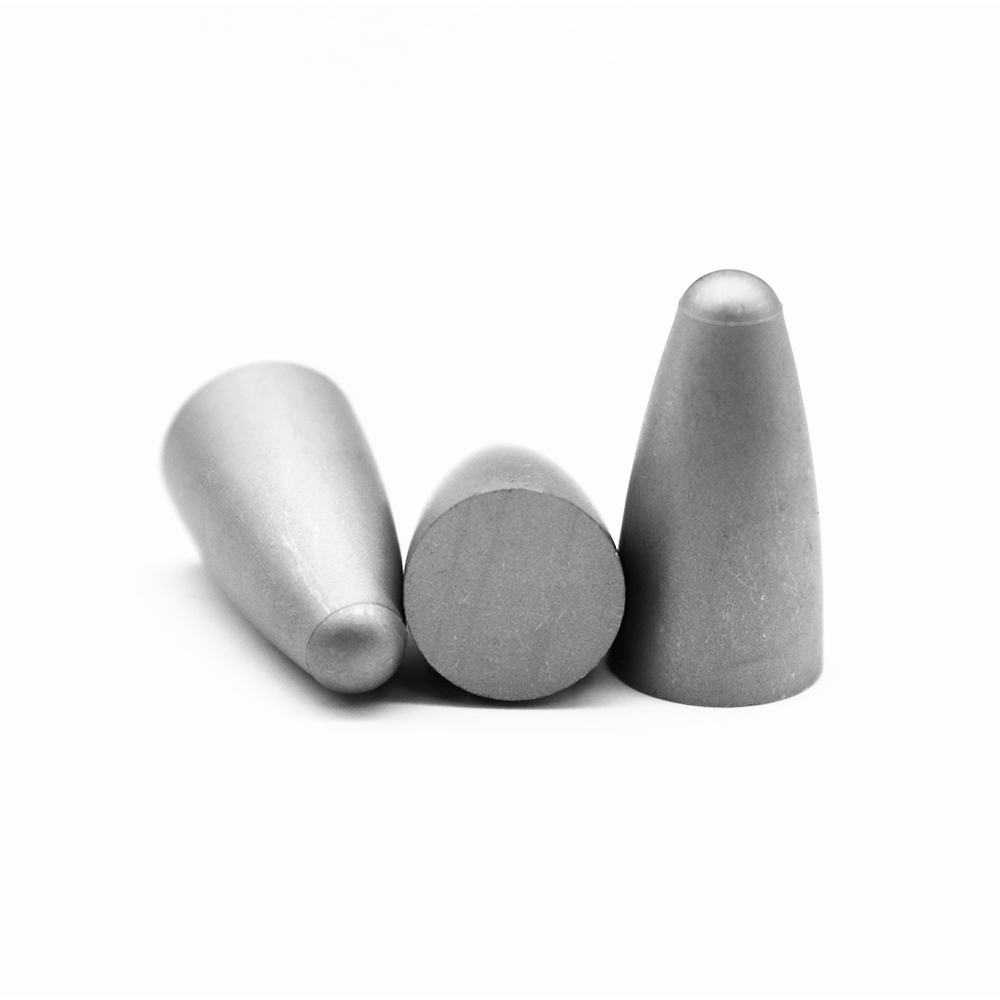
Copat e stërvitjes PDC janë mjete shumë efikase për thyerjen e gurëve që përdoren gjerësisht në shpimet e naftës dhe gazit, eksplorimin gjeologjik dhe fusha të tjera. Gryka e karbitit të tungstenit është një nga komponentët kryesorë të saj. Zakonisht instalohet në vrimën e ujit të një shpimi PDC, ai injekton lëng shpimi me presion të lartë për të siguruar ftohje, pastrim dhe për të ndihmuar në thyerjen e shkëmbinjve. Performanca e tij ndikon drejtpërdrejt në stërvitjen, por është
jetëgjatësia e shërbimit dhe efikasiteti i shpimit.
I. Mënyra e lidhjes së hundës:
Duhet të përputhet me vrimën e ujit të shpimit PDC. Një lidhje e zakonshme është një lidhje filetuare (e jashtme ose e brendshme, me saktësi të shkallës 3A për të
sigurohuni që të mos ketë rrjedhje nën presion të lartë). Disa grykë më të vegjël përdorin një përshtatje me ndërhyrje (përshtatje me shtypje), e cila parandalon lirimin pas instalimit.
II. Karakteristikat e materialit të hundës: karabit tungsteni (WC)
1. Fortësi e lartë dhe rezistencë ndaj konsumit: Fortësia e karabit tungsten është e dyta pas diamantit, duke e bërë atë rezistent ndaj gërryerjes nga grimcat gërryese në lëngun e shpimit (të tilla si gurët ranor dhe mbeturinat metalike), duke zgjatur jetën e grykës.
2. Rezistenca ndaj korrozionit: I reziston korrozionit nga aditivët kimikë në lëngun e shpimit (si kripërat dhe acidet).
3. Rezistenca ndaj ndikimit: karabit tungsteni zakonisht përdor kobalt (Co) si a
lidhës, duke siguruar një shkallë të caktuar qëndrueshmërie dhe duke parandaluar thyerjen e brishtë.
III. Karakteristikat e projektimit strukturor të hundës karabit
1. Hapësira e brendshme e thjeshtë: Redukton turbulencat dhe përmirëson efikasitetin e lëngjeve. Llojet e zakonshme përfshijnë:
2. Hapja e drejtë: E thjeshtë dhe e qëndrueshme, e përshtatshme për shpime konvencionale.
3. Venturi: Një strukturë konvergjente-divergjente rrit shpejtësinë e rrjedhës dhe rrit heqjen e çipave.
4. Madhësi të ndryshme: Diametri i brendshëm i grykës (zakonisht 6-16 mm) zgjidhet në bazë të shpejtësisë së rrjedhjes së lëngut të shpimit dhe shpejtësisë së kërkuar të injektimit.
Dizajni i zëvendësueshëm: Nuk ka nevojë të zëvendësohet i gjithë shpimi pas konsumimit, duke ulur kostot e mirëmbajtjes.
IV. Funksionet kryesore të grykave të karbitit të tungstenit janë si më poshtë:
1. Ftohja e Prerësve
Prerëset e një shpimi PDC gjenerojnë një sasi të konsiderueshme nxehtësie ndërsa rrotullohen me shpejtësi të lartë për të prerë gurët. Temperaturat e tepërta mund të shkaktojnë karbonizimin dhe dështimin e shtresës së diamantit. Lëngu i shpimit me presion të lartë i nxjerrë nga hunda e karbitit të tungstenit e largon drejtpërdrejt këtë nxehtësi, duke e mbajtur temperaturën e prerësit brenda një intervali të sigurt (zakonisht nën 700°C) dhe duke parandaluar dëmtimin termik.
2. Pastrimi i prerjeve të shkëmbinjve
Prerjet e shkëmbinjve të krijuara gjatë procesit të prerjes mund të grumbullohen rreth prerësve, duke shkaktuar "përthyerje balte" (një përzierje prerjesh dhe lëngu shpimi që ngjitet në pjesën e shpimit), duke reduktuar efikasitetin e thyerjes së shkëmbinjve. Fluksi i lëngut me shpejtësi të lartë nga hunda shpërndan dhe zhvendos menjëherë prerjet, duke mbajtur kontakt efektiv midis prerësit dhe shkëmbit.
3. Thyerja e shkëmbit me asistencë hidraulike
Avioni nga hunda (me shpejtësi deri në 100-200 m/s) prek sipërfaqen e shkëmbit, duke krijuar çarje hidraulike. Ky efekt sinergjik, i kombinuar me veprimin mekanik prerës të prerësve, redukton rezistencën ndaj thyerjes së shkëmbinjve, duke rritur ndjeshëm shpejtësinë e depërtimit, veçanërisht në formacionet e forta.
V. Aplikacionet
Grykat e karbitit përdoren kryesisht në skenarët e mëposhtëm:
1. Formacione të buta deri në fortësi mesatare, të tilla si argjilë dhe gur gëlqeror, ku ato plotësojnë veprimin efikas prerës të copave të shpimit PDC.
2. Puset e thella/horizontale kërkojnë presione të larta pompimi dhe kontroll të saktë hidraulik, ku besueshmëria e grykave të karbitit të tungstenit është thelbësore.
3. Formacionet shumë gërryese, si gur ranor kuarci, ofrojnë rezistencë më të lartë ndaj konsumit në krahasim me grykat standarde të aliazhit të çelikut.