

Pressure Welding The Effective Leader in Mass Production

Pressure Welding The Effective Leader in Mass Production
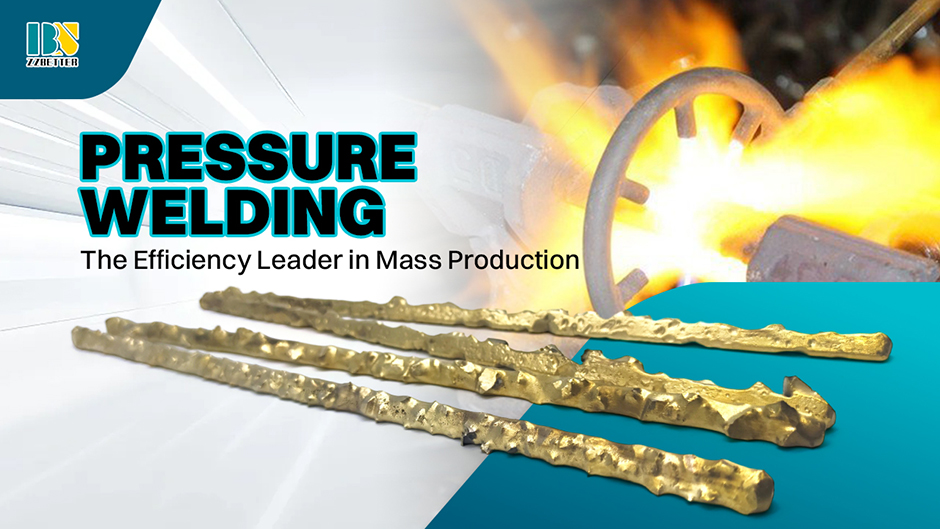
Ho tjheseletsa khatello ho nka "khatello" joalo ka mokhoa oa mantlha oa ho kopanya, o hlokang lisebelisoa tsa ho tlatsa (kapa tse nyane). E na le lebelo le potlakileng la tjheseletsa le theko e tlase, e etsang hore e loketse ka ho khetheha bakeng sa ho kopanya lipoleiti tse tšesaane le lithapo. E sebelisoa haholo libakeng tse kang tlhahiso ea likoloi, tlhahiso ea lisebelisoa tsa lapeng, le ho paka likarolo tsa elektroniki.
(I) Resistance Welding: The "Core Technology" in Automotive Manufacturing
Resistance welding e sebelisa molao-motheo oa "ho futhumatsa ho hanyetsa ho hanyetsa." E koala li-workpieces 'me e fetisa motlakase o moholo ho tsona, e hlahisang mocheso o phahameng oa sebakeng seo ho qhibilihisa (kapa ho senya polasetiki) litšepe. Kamora ho pholile, matheba a weld a thehoa. E arotsoe ka mefuta e meraro: tjheseletsa letheba, seam welding, le projection welding, eo har'a eona letheba la ho tjheseletsa ke "matla a ka sehloohong" a ho tjheseletsa mmele ka koloi.
1. Spot Welding: Theknoloji ea "Dot Matrix" bakeng sa ho Kopanya ka Molemo
Molao-motheo: Li-electrode tse peli li tiisa lipoleiti tse tšesaane ebe li fetisa motlakase o moholo oa 1000-10,000A ho tsona. Ho hanyetsa ho kopana pakeng tsa li-electrode le lipoleiti tse tšesaane ho hlahisa mocheso, ho etsa hore tšepe ea sebakeng seo e qhibilihe ho etsa "fusion core." Kamora ho tima, khatello e bolokoa ho fihlela pholiso e etsa sebaka se chitja sa weld. Ho hlophisa libaka tse ngata tsa weld ho thusa ho kopanya sebaka se seholo.
Lintlha tsa Ts'ebetso:
• Khetho ea Electrode:Sebelisa li-electrode tsa motsoako oa koporo-chromium bakeng sa ho tjheseletsa tšepe e nang le carbon e tlaase le li-electrode tsa koporo-zirconium bakeng sa ho tjheseletsa maqephe a tšepe a masenke. Boloka ntlha ea electrode e bataletse 'me u e khutlise ka nako ka mor'a ho roala (boea ba ntlha hangata ke makhetlo a 2-3 ho feta botenya ba poleiti).
• Taolo ea Paramethara:Ho lumellana hantle le nako ea ho tjheseletsa (metsotsoana ea 0.1-0.5), hona joale (fetola ho ea ka botenya ba poleiti; mohlala, 3000-4000A bakeng sa lipoleiti tsa tšepe tse teteaneng tsa 2mm), le khatello (etsa bonnete ba hore ho kopana ho thata pakeng tsa li-electrode le lisebelisoa tsa mosebetsi ho qoba ho hanyetsa ho hoholo) ho thibela ho bata kapa ho chesa.
• Tlhahlobo ea Boleng:Matheba a weld ha aa lokela ho ba le mapetso le spatter. Nakong ea tlhahlobo e matla ka mochini oa ho etsa liteko, "basepe e tabolang" ho fapana le "sehlopha sa weld spot" e lokela ho etsahala ho netefatsa matla a ho cheselletsa.
2. Seam Welding: The "Continuous Defense Line" bakeng sa Mehaho e Tiisitsoeng
Seam tjheseletsa e tšoana le molao-motheo oa ho tjheseletsa letheba, empa li-electrode li nkeloa sebaka ke lirolara tsa koporo. Lirolara li potoloha ebe li fetisa pulsed current ho etsa weld e tsoelang pele. E loketse meaho e tiisitsoeng ea welding joalo ka litanka tsa mafura a likoloi, lithapo tse futhumatsang metsi, le liphaephe tse kopaneng. Nakong ea ts'ebetso, laola khatello ea rolara le lebelo la ho potoloha ho netefatsa hore ho na le weld e tsoelang pele, e sa lutleng. Ha u tjheseletsa lishiti tsa tšepe tse entsoeng ka masenke, hloekisa lera la zinki khafetsa holim'a rolara ho qoba khanyetso e sa tloaelehang.
(II) Friction Welding: The "High-Strength Option" bakeng sa likarolo tse kang Shaft
Friction welding e fihlella ho kopanya ka "ho futhumatsa ha likhohlano ka lebelo le phahameng." E koala likarolo tse peli tsa cylindrical (tse kang li-shafts le li-rods), e nang le e 'ngoe e potolohang ka lebelo le phahameng (1000-5000r / min). Mocheso o hlahisoang ke khohlano o tlisa sebaka sa ho kopana sebakeng sa polasetiki. Ka mor'a ho emisa ho potoloha, khatello e kholo e sebelisoa ho theha weld e matla.
• Melemo ea Konokono:Matla a phahameng a ho tjheseletsa (matla a tjheseletsa a phahame ho feta a tšepe ea motheo), ha ho na porosity kapa slag e kenyelletsoeng, le lebelo la ho tjheseletsa ka potlako (nako e le 'ngoe ea ho tjheseletsa
• Lintlha tsa Ts'ebetso:Laola lebelo la ho potoloha le khatello ea likhohlano ho netefatsa mocheso o ts'oanang sebakeng sa ho ikopanya (qoba ho chesa haholo sebakeng seo); ha tjheseletsa lisebelisoa tse sa tšoaneng (tse kang tšepe le koporo), fetola lebelo la ho potoloha le khatello ho thibela mapetsong a bakoang ke ho se tšoane ha li-coefficients tsa ho atolosa mocheso.