

Tungsten carbide Nozzle bakeng sa PDC Drill Bit

Tungsten carbide Nozzle bakeng sa PDC Drill Bit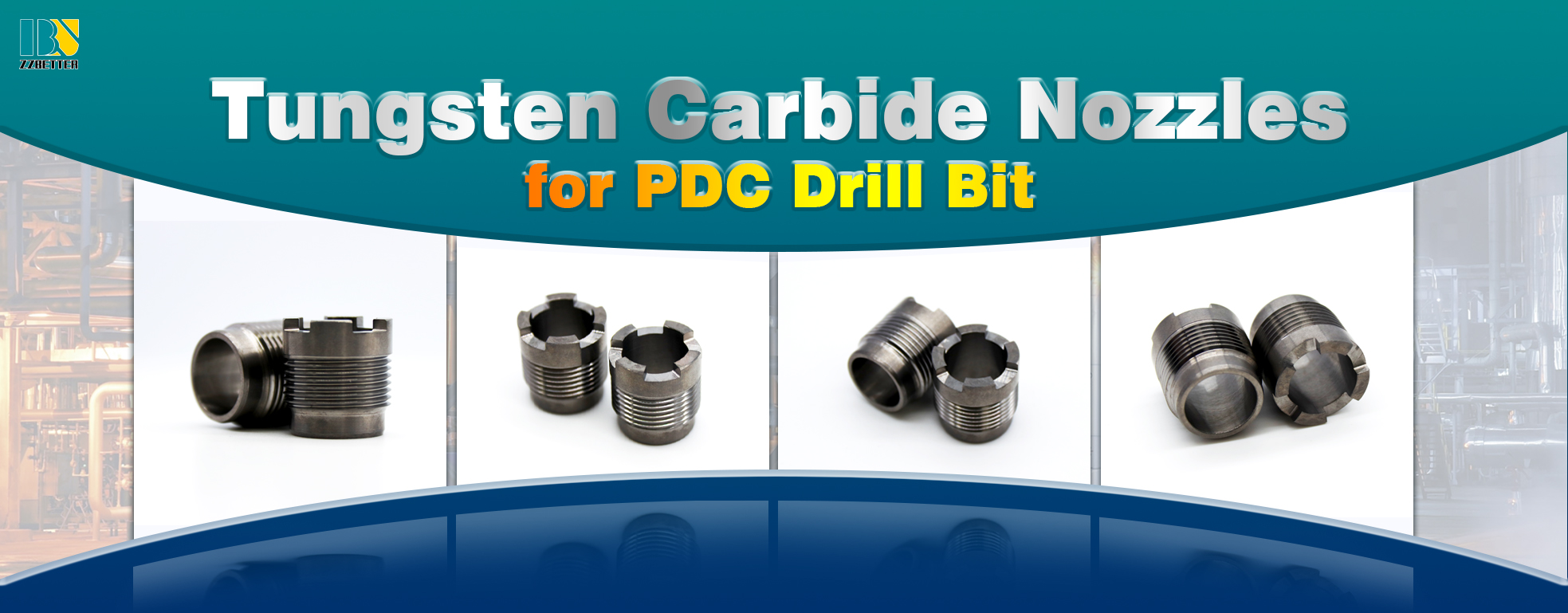
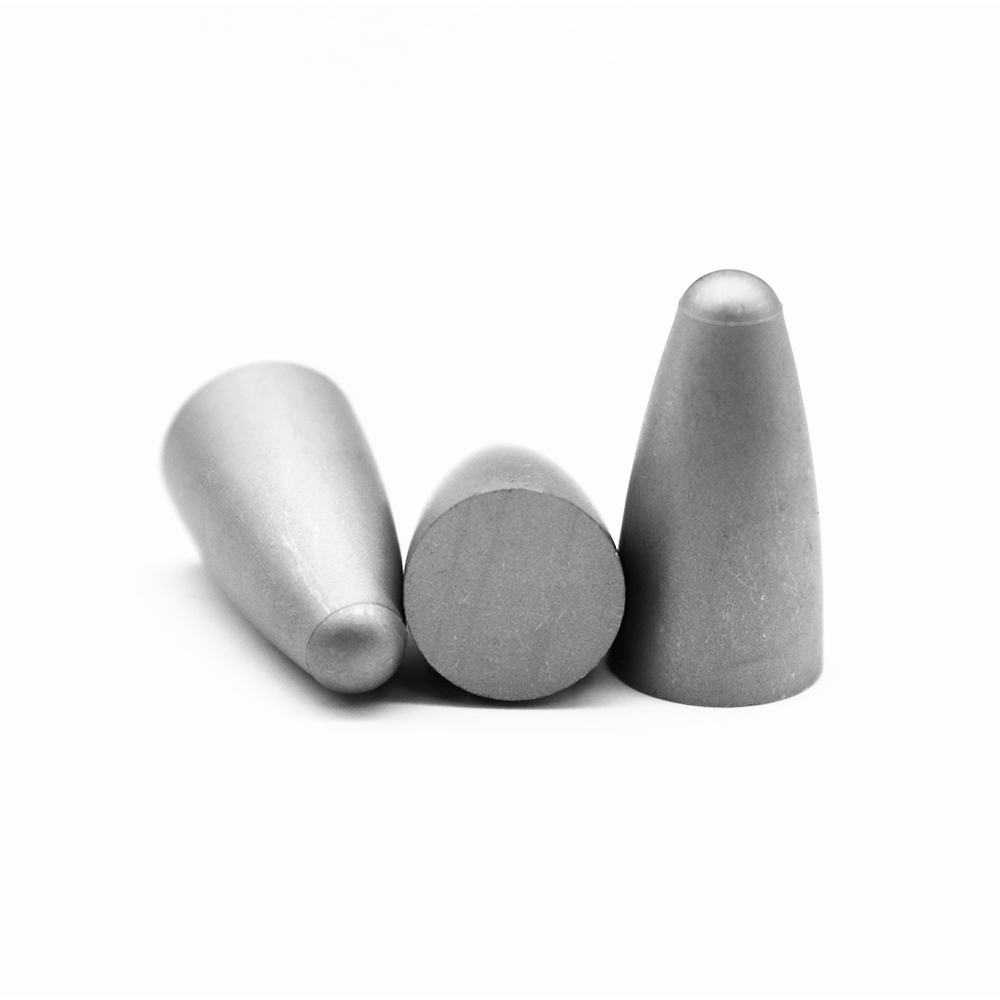
Likotoana tsa ho cheka tsa PDC ke lisebelisoa tse sebetsang hantle haholo tsa ho pshatla mafika tse sebelisoang haholo ho chekong ha oli le khase, ho hlahlobisisa jeoloji le mafapheng a mang. Tungsten carbide nozzle ke e 'ngoe ea likarolo tsa eona tsa mantlha. Ha e le hantle e kengoa lesobeng la metsi la PDC drill bit, e kenya mokelikeli oa khatello e matla ho fana ka pholiso, ho hloekisa, le ho thusa ho pshatla ha majoe. Ts'ebetso ea eona e ama drill ka kotloloho empa ho joalo
bophelo ba tšebeletso le katleho ea ho cheka.
I. Mokhoa oa Khokahano ea Nozzle:
E tlameha ho ts'oana le lesoba la metsi la PDC drill bit. Khokahano e tloaelehileng ke khokahanyo ea khoele (ea ka ntle kapa ea ka hare, e nang le ho nepahala ha 3A-grade ho
etsa bonnete ba hore ha ho dutla tlasa khatello e phahameng). Li-nozzles tse ling tse nyane li sebelisa motsoako oa ho kena-kenana le "press-fit", o thibelang ho hlephisa ka mor'a ho kenya.
II. Litšobotsi tsa Nozzle: Tungsten Carbide (WC)
1. Ho Thata ho Hoholo le ho Hanela ho Aroha: Ho thatafala ha Tungsten carbide ho latela daemane feela, ho e etsa hore e se ke ea senyeha ke khoholeho ea mobu ke likaroloana tse senyang mokelikeli oa ho cheka (joaloka majoe a lehlabathe le lithōle tsa tšepe), ho lelefatsa bophelo ba nozzle.
2. Corrosion Resistance: E mamella ho bola ho tsoa ho metsoako ea lik'hemik'hale mokelikeli oa ho cheka (joaloka matsoai le asiti).
3. Khanyetso ea Tšusumetso: Tungsten carbide hangata e sebelisa cobalt (Co) joalo ka
binder, ho fana ka tekanyo e itseng ea ho tiea le ho thibela ho robeha ha brittle.
III. Likarolo tsa Moralo oa Sebopeho sa Carbide Nozzle
1. Bore ea ka Hare Boreleli: E fokotsa moferefere le ho ntlafatsa bokhoni ba mokelikeli. Mefuta e tloaelehileng e kenyelletsa:
2. Bore e Otlolohileng: E bonolo ebile e tšoarella, e loketse ho cheka ho tloaelehileng.
3. Venturi: Sebopeho sa converging-diverging se eketsa lebelo la phallo le ho ntlafatsa ho tlosoa ha chip.
4. Mefuta e fapa-fapaneng ea boholo: Bophara ba ka hare ba nozzle (hangata 6-16mm) bo khethoa ho latela sekhahla sa phallo ea mokelikeli oa ho phunya le lebelo le hlokahalang la ente.
Moralo o ka nkeloang sebaka: Ha ho na tlhoko ea ho khutlisa karoloana eohle ea ho phunya ka mor'a ho roala, ho fokotsa litšenyehelo tsa tlhokomelo.
IV. Mesebetsi ea mantlha ea li-nozzles tsa tungsten carbide ke tse latelang:
1. Ho Pholisa Li-Cutters
Li-cutters tsa PDC drill bit li hlahisa mocheso o mongata ha li ntse li potoloha ka lebelo le phahameng ho rema mafika. Lithempereichara tse feteletseng li ka baka carbonization le ho hlōleha ha lera la daemane. Mokelikeli oa khatello e phahameng o ntšitsoeng ho tungsten carbide nozzle o tlosa mocheso ona ka ho toba, o boloka thempereichara e sehang sebakeng se sireletsehileng (hangata e ka tlase ho 700°C) le ho thibela ho senyeha ha mocheso.
2. Ho Hloekisa Rock Cuttings
Li-cuttings tsa majoe tse hlahisoang nakong ea ho seha li ka bokellana ho pota-potile li-cutters, 'me tsa baka "ho phunya seretse" (motsoako oa li-cuttings le mokelikeli oa ho phunya o khomarelang lejoe la ho phunya), ho fokotsa bokhoni ba ho pshatla mafika. Jete ea metsi a lebelo le phahameng e tsoang molomong e qhala hang-hang le ho tlosa li-cuttings, ho boloka kamano e sebetsang pakeng tsa sehahi le lefika.
3. Ho Thutsoa ha Lefika ho Thusang ka Hydraulically
Jete e tsoang molomong (ka lebelo la ho fihla ho 100-200 m / s) e ama lejoe la majoe, e etsa mapetsong a hydraulic. Phello ena ea synergistic, e kopantsoeng le ketso ea mechine ea ho itšeha ea li-cutters, e fokotsa khanyetso ea ho robeha ha majoe, e eketsa haholo lebelo la ho kenella, haholo-holo ka mekhoa e thata.
V. Likopo
Li-nozzles tsa carbide li sebelisoa haholo maemong a latelang:
1. Libopeho tse bonolo ho isa ho tse thata tse mahareng, joalo ka shale le limestone, moo li tlatselletsang tšebetso e sebetsang ea ho kuta ea likotoana tsa boro ea PDC.
2. Liliba tse tebileng/tse tšekaletseng li hloka likhatello tse phahameng tsa ho pompa le taolo e nepahetseng ea haeteroliki, moo ho ts'epahalang ha li-nozzles tsa tungsten carbide ho leng bohlokoa.
3