

What is a Choke Valve?

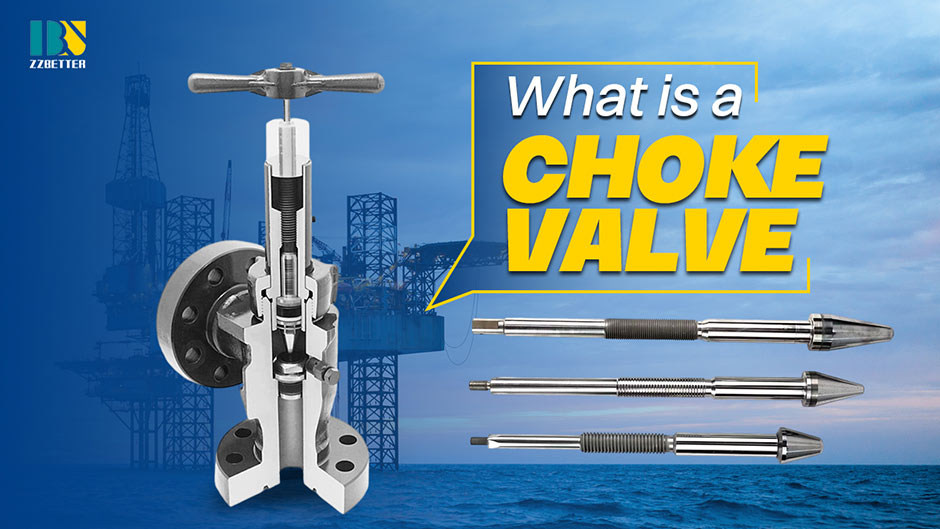
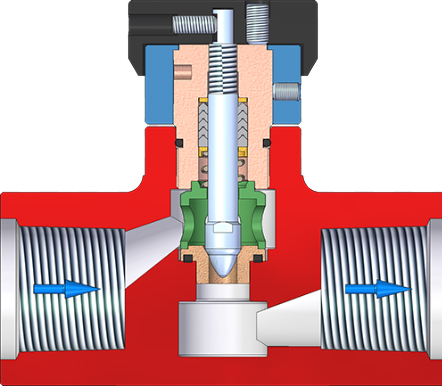
A choke valve is a mechanical device, a type of flow control valve that is used to regulate the flow of fluids, such as gas or liquids, in a flow line. Choke valves are typically used in the oil and gas industry to control the flow of wellhead fluids and pressure, such as oil or natural gas, from a wellhead to a production facility. The valve is designed to reduce the flow rate by creating a restriction in the pipeline, which can be adjusted to achieve the desired flow rate. This is typically achieved by using a tapered orifice or a variable orifice, which can be adjusted to increase or decrease the restriction in the pipeline. If you look at a kitchen tap, a choke valve executes a very similar function. In essence, a choke valve can be considered a more robust and highly engineered kitchen tap.
Main types of choke valves
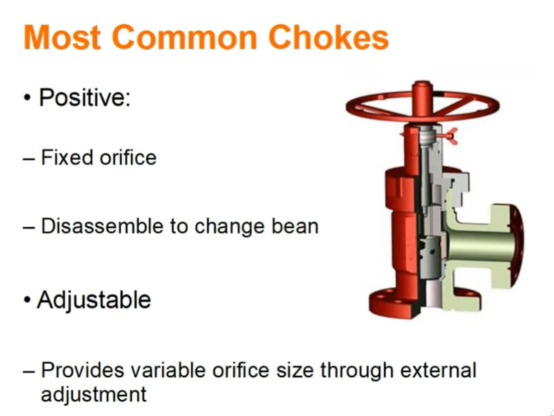
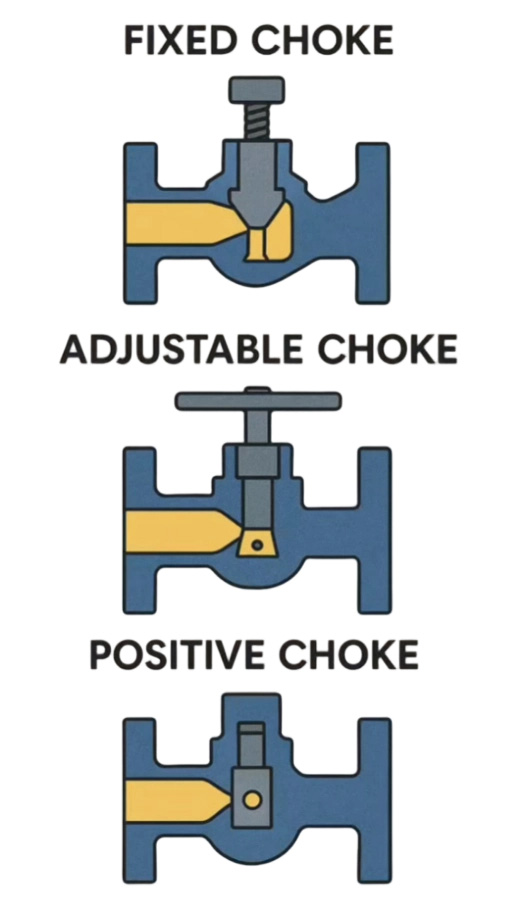
There are three main types of choke valves: the positive choke, the adjustable choke, and the injection choke. Here are the details of the introduction of these three types of choke valves.
1. A positive Choke has a fixed orifice size. Although fixed chokes are available in a wide variety of sizes and types, the Choke must be disassembled to change bean sizes. The term ‘bean’ refers to the piece of hardware installed in the line that has an orifice, or opening, drilled into it. The bean size is the inside diameter (ID), or bore, of the fixed orifice. These bores are available in 1/64th of an inch increments.
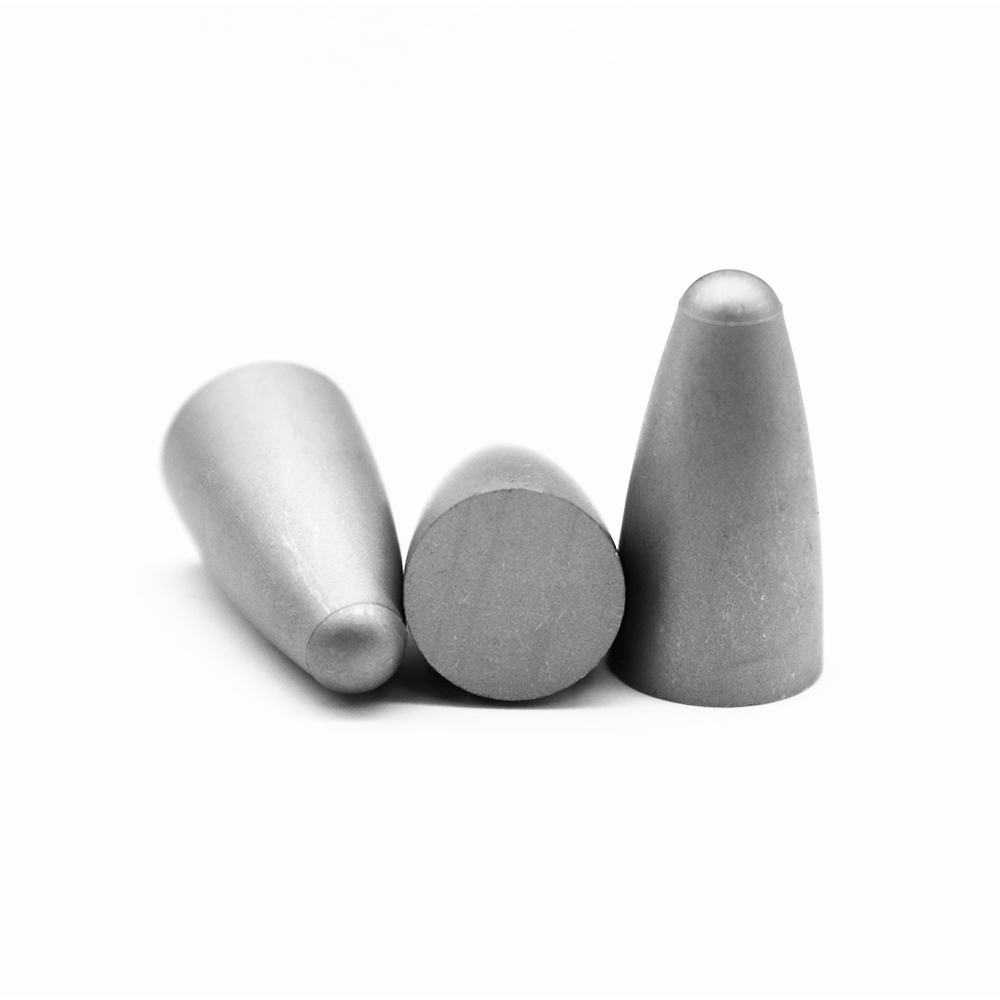
For a positive choke valve, special tools are adopted to replace the oil nozzle. In this way, the flow section can be controlled to control the flow of fluid. The choke oil nozzle is manufactured with ceramic or cemented carbide, which is characterized by wear resistance and erosion resistance, making it convenient to replace with a special tool. The valve body and valve bonnet are connected with a union, which makes it easy to replace the oil nozzle.
2. An adjustable Choke provides variable orifice sizes through some type of external adjustment device, such as an actuator. This arrangement will accommodate a range of conditions, from a uniform pressure drop to a variable inlet pressure drop.
3. An injection Choke is used to control water, gas or chemicals injected back into the well to force/stimulate oil or gas to the surface or aid flow assurance. It should be noted that surface choke valves are rarely mounted vertically, contrary to popular belief. They are much more likely to be mounted so that flow arrives from the side.
- Conventional Choke Valves: These are the most common types of choke valves and have a fixed or adjustable orifice that creates a restriction in the pipeline. They are typically used in low-pressure, low-flow applications.
- Multi-Stage Choke Valves: These valves have multiple orifices or restriction stages, which can be adjusted independently. They are typically used in applications where precise flow control is required.
- Hydraulic choke valves: These valves use a fluid-powered actuator to control the flow rate. They are commonly used in remote or hazardous locations where manual adjustments are not feasible.
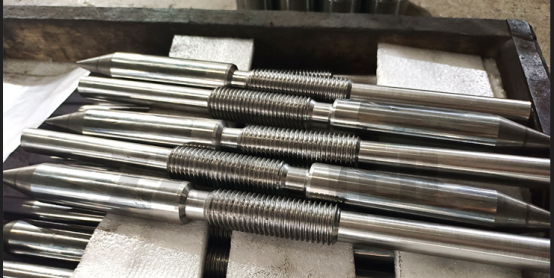
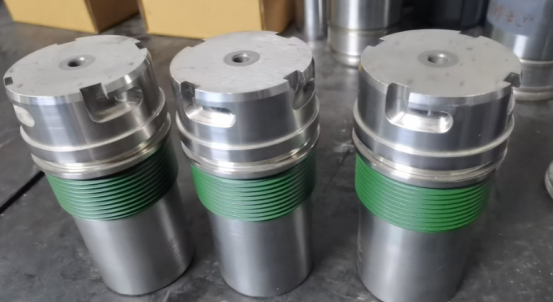
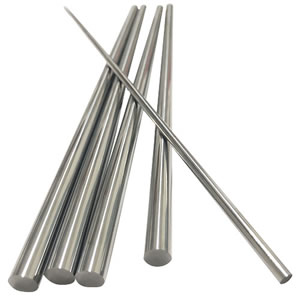
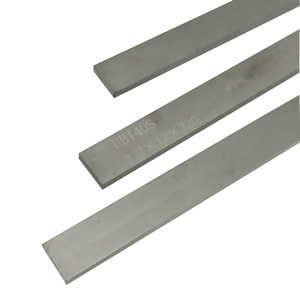
ZZBetter can supply the choke needle, choke seat, choke bean adapter, choke positive bean, choke stem, choke flow cage for the choke valve.