

Uhlalutyo lweeParameters zokuSebenza eziPhambili kwiiChisels zeCarbide eziQiniweyo

Uhlalutyo lweeParameters zokuSebenza eziPhambili kwiiChisels zeCarbide eziQiniweyo
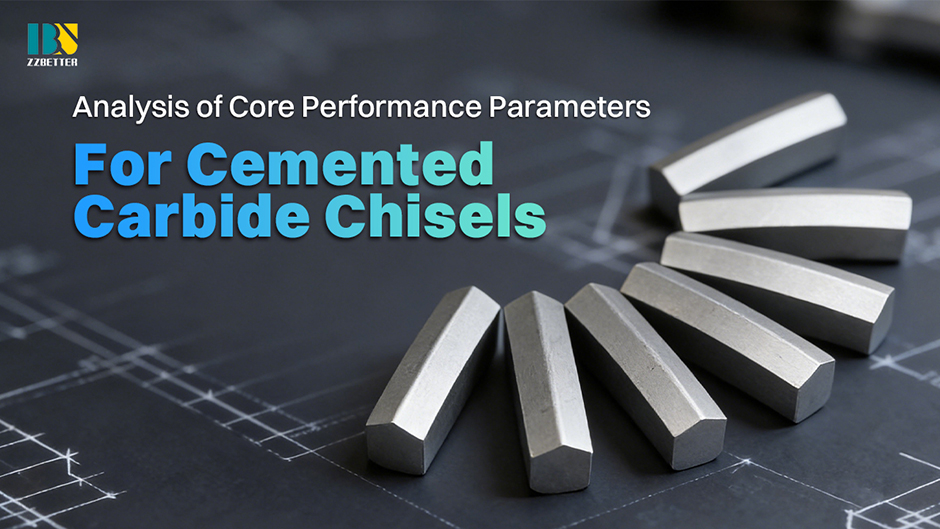
Itshizi ye-carbide enesamente yintliziyo yezixhobo zale mihla zokomba amatye, kwaye ukusebenza kwayo kuqinisekisa ngokuthe ngqo ukugrumba okusebenzayo kunye nobomi besixhobo. Ukukhetha ngokwesayensi kwaye usebenzise ezi zitshixo, kubalulekile ukuqonda nzulu ezi parameters zingundoqo zokusebenza.
1. Ukuqina: Isalathisi esiPhambili sokuchasana nokuNgena kunye nokuNxitywa
Ukuqina yiparameter elinganisa ukukwazi komphezulu we-carbide chisel yesamente ukuxhathisa ukungena okanye ukukrwela izinto zangaphandle, ngokuqhelekileyo ezibonakaliswa kwi-Rockwell Hardness (HRA). Eyona nto igqitywe ngobunzima, ubungakanani beenkozo, kunye nokuhanjiswa kwe-tungsten carbide (WC) ngaphakathi kwezinto. Ukuqina okuphakamileyo kuthetha ukuba itshizili inokuluma ngakumbi kwilitye eliqinileyo kwaye ixhathise ukuguga okusuka kumatye okusikwa, ngaloo ndlela igcina ikona kunye nokwandisa ubomi benkonzo. Kulwakhiwo lwamatye olurhabaxa kakhulu, ubulukhuni yeyona khrayitheriya yokukhetha.
2. Ukuqina: Isiqinisekiso esiPhambili malunga neMpembelelo kunye nokuqhekeka
Ukuqina kubonisa ukukwazi kwezinto eziphathekayo ukufunxa amandla ngaphandle kokuqhekeka. Ukugrumba yinkqubo yempembelelo ephezulu, uxinzelelo oluphezulu. Ukuba itshizi ayinabo ukuqina okwaneleyo, ithanda ukuqhekeka, ukuqhekeka, okanye ukusilela ngokupheleleyo. Ukuqina ngokuyinhloko kuxhomekeke kumxholo kunye nokuhanjiswa kwe-cobalt (Co) isigaba se-binder. Ngokubanzi, umxholo ophezulu we-cobalt ukhokelela kukuqina okungcono. Kulwakhiwo oluqhekekileyo kunye nolwahlukeneyo lwamatye, ukuqina okuphezulu kukuthintela ukusilela kwetshizili kwangaphambi kwexesha.
3. Amandla e-Flexural: Umyinge woMmandla wokuthwala
Amandla e-Flexural lolona xinzelelo luphezulu lwezinto ezinokumelana nazo ngaphambi kokuqhekeka phantsi komthwalo ogobayo. Ibonisa ngokupheleleyo "amandla" kunye "nokuqina" kwekhabhide enesamente kwaye inxulumene ngokuthe ngqo namandla e-chisel okumelana nokwaphuka phantsi kwempembelelo yempembelelo enkulu kunye namaxesha okugoba anzima. Itshisel enamandla aguquguqukayo aphezulu ifana nokuba "nomqolo" owomeleleyo, oyenza ikwazi ukunyamezela ngokuzinzileyo uxinzelelo olwahlukeneyo oludibana neemeko zokusebenza ezinzima kunye nokuqinisekisa ukhuseleko lokusebenza kunye nokuthembeka.
4. Ukuqina kokuqhekeka: Ukuchasana nokusasazwa kwe-Crack
Ukuqina kokwaphuka sisalathiso esiqhubela phambili ngakumbi sokuqina, ngakumbi sibhekisa kwisakhono semathiriyeli equlethe iintanda ezincinci ukumelana nokusasazwa kokuqhekeka okungazinzanga. Kwimveliso ebonakalayo, iziphene ze-microscopic ngaphakathi kwempahla ayinakuphepheka. Ukuqina okuphezulu kokuqhekeka kuthetha ukuba nokuba i-micro-cracks ikhula, ayinakwenzeka ukuba isasazeke ngokukhawuleza kwaye ibangele ukungaphumeleli ngokupheleleyo. Le parameter ibalulekile ekuqinisekiseni ukhuseleko lwesixhobo phantsi kweemeko ezigqithisileyo ezibandakanya imithwalo ye-eccentric (umzekelo, i-bit slippage).
Isiphelo: Ibhalansi kunye nentsebenziswano yeePropati
Kubalulekile ukugxininisa ukuba ezi parameters zingundoqo azikho zodwa kodwa zixhomekeke kwelinye kwaye zihlala zibandakanya urhwebo. Ukusukela ubunzima obuphezulu kakhulu kudla ngokuza kwiindleko zokuncipha kokuqina kunye nokomelela, kwaye ngokuchaseneyo. Umzekelo, iitshizi ezinamakhozo amahle kunye nomxholo ophantsi we-cobalt zibonisa ubulukhuni obuphezulu kunye nokumelana nokunxiba kodwa ukuqina okuphantsi. Ngokuchaseneyo, iitshizi ezinamankozo arhabaxa kunye nomxholo ophezulu we-cobalt zinika ubunzima obungcono kunye nokomelela kodwa ukuqina kancinci.
Ke ngoko, ukukhetha itshizi ye-carbide enesamente ayithethi malunga nokulandela eyona nto iphambili kwiparamitha enye. Endaweni yoko, imalunga nokufumana eyona ndawo ilungileyo yokulinganisa phakathi kokuqina, ukuqina, kunye nokomelela okusekwe kwiimeko ezithile zokubunjwa kwamatye (umzekelo, nokuba ziqinile kwaye zomelele okanye zaphukile kwaye zintsonkothile). Le ndlela ifezekisa ubomi benkonzo obude kunye nokusebenza okuphezulu.