

Tungsten Carbide ທຽບກັບ Steel ຄວາມໄວສູງ: ການສະແດງຜົນສຸດທ້າຍຂອງວັດສະດຸ Quilling Grinding

Tungsten Carbide ທຽບກັບ Steel ຄວາມໄວສູງ: ການສະແດງຜົນສຸດທ້າຍຂອງວັດສະດຸ Quilling Grinding
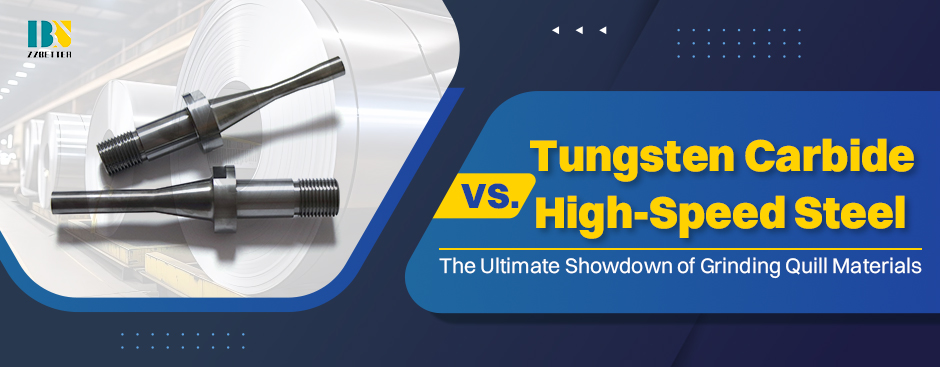
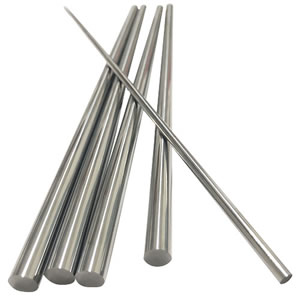
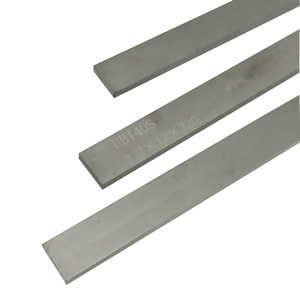
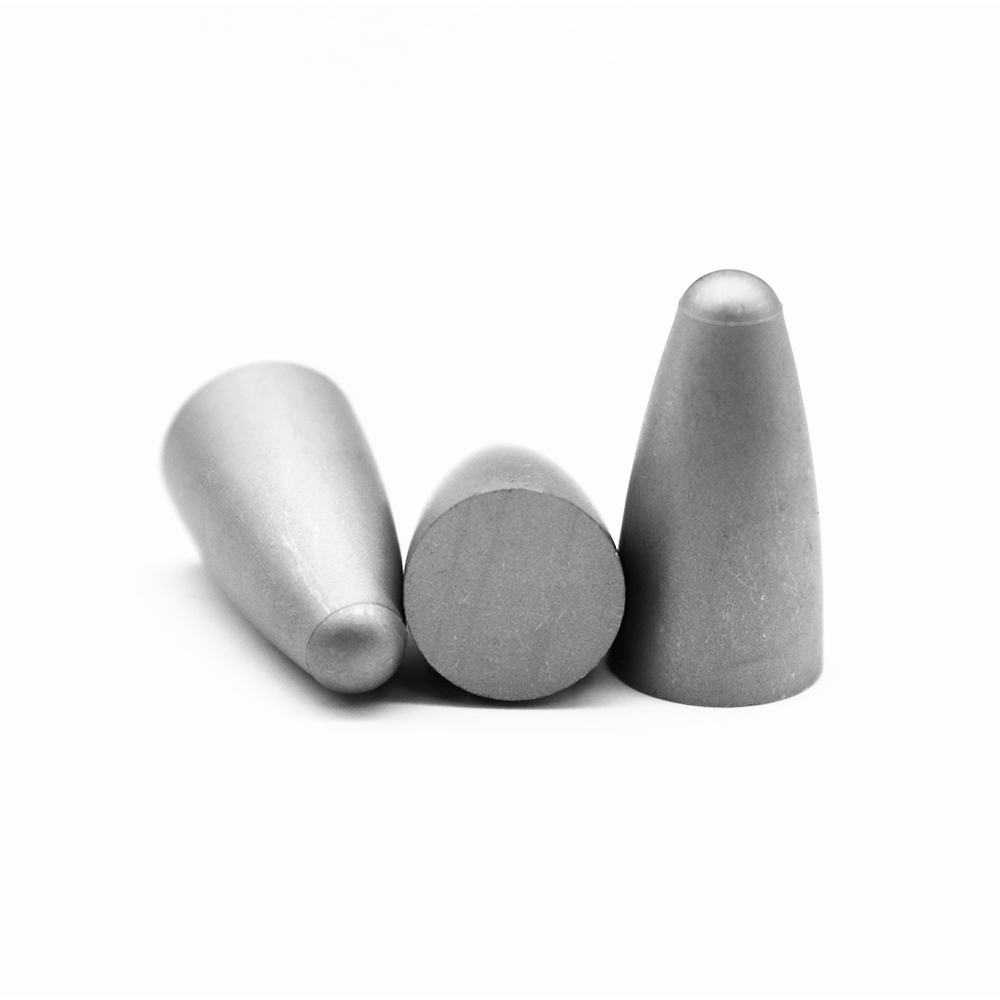
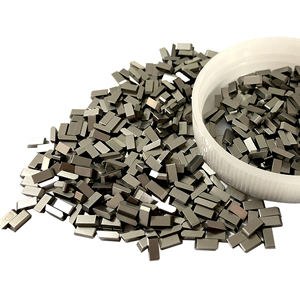
ໃນພາກສະຫນາມຂອງເຄື່ອງ grinding ຄວາມແມ່ນຍໍາ, ທາງເລືອກຂອງອຸປະກອນການ grinding quill ໂດຍກົງຜົນກະທົບຕໍ່ຄຸນນະພາບເຄື່ອງຈັກແລະປະສິດທິພາບ. Carbide ແລະເຫລໍກຄວາມໄວສູງ (HSS), ເປັນສອງວັດສະດຸຕົ້ນຕໍ, ແຕ່ລະຄົນສະແດງໃຫ້ເຫັນຄຸນລັກສະນະການປະຕິບັດທີ່ເປັນເອກະລັກ, ການສ້າງ "ການປະທະກັນສູງສຸດ."
ການປຽບທຽບປະສິດທິພາບວັດສະດຸ
Tungsten carbide, ຕົ້ນຕໍປະກອບດ້ວຍ tungsten carbide ກັບ cobalt ເປັນ binder, ບັນລຸຄວາມແຂງຂອງ HRA 88-93, ເປັນ modulus elastic ເຖິງ 600 GPa, ແລະກໍາລັງບີບອັດເກີນ 4,000 MPa. ໃນການປຽບທຽບ, HSS ປົກກະຕິແລ້ວມີຄວາມແຂງຂອງ HRC 63-67, ໂມດູລ elastic ປະມານ 200 GPa, ແລະກໍາລັງບີບອັດປະມານ 2,500 MPa. ຄຸນສົມບັດພື້ນຖານເຫຼົ່ານີ້ເຮັດໃຫ້ carbide ມີປະໂຫຍດໃນຄວາມແຂງແກ່ນແລະທົນທານຕໍ່ການສວມໃສ່.
ການປະຕິບັດການປະຕິບັດການປະຕິບັດ
ໃນຄໍາຮ້ອງສະຫມັກທີ່ມີອັດຕາສ່ວນຄວາມຍາວຕໍ່ເສັ້ນຜ່າກາງເກີນ 4: 1, ຜ້າອັດດັງ carbide ສະແດງໃຫ້ເຫັນເຖິງຂໍ້ໄດ້ປຽບທີ່ບໍ່ສາມາດທົດແທນໄດ້. Modulus elastic ສູງຂອງພວກເຂົາຮັບປະກັນວ່າ, ພາຍໃຕ້ເງື່ອນໄຂການໂຫຼດດຽວກັນ, deflection ແມ່ນພຽງແຕ່ຫນຶ່ງສ່ວນສາມຂອງ HSS. ນີ້ແມ່ນສິ່ງສໍາຄັນສໍາລັບການຂັດຂຸມເລິກແລະການຂັດພາຍໃນຮູບທໍ່ກົມທີ່ມີຄວາມແມ່ນຍໍາ. ການທົດສອບພາກປະຕິບັດສະແດງໃຫ້ເຫັນວ່າໃນເວລາທີ່ເຄື່ອງເຈາະຮູເລິກກວ່າ 150 ມມ, ຜ້າອັດດັງ carbide ສາມາດຮັກສາຄວາມຜິດພາດຂອງຮອບພາຍໃນ 0.005 ມມ, ໃນຂະນະທີ່ເຄື່ອງຕັດ HSS ມັກຈະສະແດງຄວາມແຕກຕ່າງເກີນ 0.02 ມມ.
ການວິເຄາະເສດຖະກິດ
ເຖິງແມ່ນວ່າຄ່າໃຊ້ຈ່າຍໃນການຈັດຊື້ໃນເບື້ອງຕົ້ນຂອງເຄື່ອງປັ່ນປ່ວນ carbide ແມ່ນສູງກວ່າ 3-5 ເທົ່າຂອງ quills ລໍ້ HSS, ຊີວິດການບໍລິການຂອງພວກເຂົາແມ່ນປົກກະຕິ 10-15 ເທົ່າ. ສໍາລັບຕົວຢ່າງ, ໃນສາຍການຜະລິດຊິ້ນສ່ວນລົດຍົນ, ການປ່ຽນໄປໃຊ້ carbide quills ໄດ້ຂະຫຍາຍໄລຍະການປ່ຽນເຄື່ອງມືຈາກ 8 ຊົ່ວໂມງເປັນ 120 ຊົ່ວໂມງແລະຫຼຸດລົງອັດຕາການຜິດປົກກະຕິຂອງຜະລິດຕະພັນຈາກ 3% ເປັນ 0.5%. ພິຈາລະນາການຢຸດເຊົາ, ຄ່າແຮງງານ, ແລະອັດຕາການຂູດ, carbide ສະເຫນີປະສິດທິພາບເສດຖະກິດໂດຍລວມທີ່ດີກວ່າ.
ຄໍາຮ້ອງສະຫມັກສະຖານະການແນະນໍາ
ຜ້າອັດລົມ HSS ຍັງມີຂໍ້ໄດ້ປຽບໃນບາງພື້ນທີ່:
1. ໃນການຜະລິດຂະໜາດນ້ອຍ, ມີຄວາມຜັນຜວນສູງ, ເຊິ່ງຄ່າໃຊ້ຈ່າຍໃນການລົງທຶນເບື້ອງຕົ້ນຕໍ່າແມ່ນສໍາຄັນ.
2. ໃນເວລາທີ່ເຄື່ອງຈັກບາງອຸປະກອນທີ່ຍາກທີ່ມັກຈະມີຂອບກໍ່ສ້າງ, HSS ສະຫນອງຄຸນສົມບັດຕ້ານການຍຶດເກາະທີ່ດີກວ່າ.
3. ສໍາລັບຄໍາຮ້ອງສະຫມັກ grinding profile ສະລັບສັບຊ້ອນ, HSS ແມ່ນງ່າຍຂຶ້ນທີ່ຈະເຄື່ອງຈັກເຂົ້າໄປໃນຮູບຮ່າງພິເສດ.
ແນວໂນ້ມການພັດທະນາໃນອະນາຄົດ
ດ້ວຍການປະກົດຕົວຂອງ carbide nano-grained ແລະວັດສະດຸທີ່ເປັນປະໂຫຍດ gradient, ການປະຕິບັດຂອງ carbide ສືບຕໍ່ປັບປຸງ. ໃນຂະນະດຽວກັນ, HSS ຮັກສາຄວາມສາມາດໃນການແຂ່ງຂັນຂອງຕົນໃນຂົງເຂດສະເພາະໂດຍຜ່ານເຕັກໂນໂລຢີໂລຫະຜົງແລະຂະບວນການເຄືອບຂັ້ນສູງ. ວັດສະດຸທັງສອງຈະຢູ່ຮ່ວມກັນແລະພັດທະນາຂະຫນານກັນສໍາລັບອະນາຄົດທີ່ຄາດໄວ້, ແຕ່ການຄອບງໍາຂອງ carbide ໃນເຄື່ອງຈັກທີ່ມີຄວາມແມ່ນຍໍາລະດັບສູງຈະສືບຕໍ່ມີຄວາມເຂັ້ມແຂງ.
ການເລືອກວັດສະດຸ shaft grinding ທີ່ຖືກຕ້ອງຮຽກຮ້ອງໃຫ້ມີການພິຈາລະນາລະມັດລະວັງຂອງຄວາມຕ້ອງການເຄື່ອງຈັກ, ປະລິມານການຜະລິດ, ແລະງົບປະມານ. ສໍາລັບການຜະລິດທີ່ທັນສະໄຫມ, ປະຕິບັດຕາມຄວາມແມ່ນຍໍາສູງແລະປະສິດທິພາບ, carbide ແນ່ນອນວ່າການລົງທຶນທີ່ມີມູນຄ່າຫຼາຍ.
ຖ້າຫາກວ່າທ່ານຕ້ອງການ quills ມາດຕະການ, ຍິນດີຕ້ອນຮັບການຕິດຕໍ່ Zhuzhou Better Tungsten Carbide ບໍລິສັດ.