

Applikazzjoni ta 'Tungstenu Carbide Strip fil-Makkinarju tax-Xogħol tal-Injam

Applikazzjoni ta 'Tungstenu carbide strip fil-Makkinarju tax-Xogħol tal-Injam
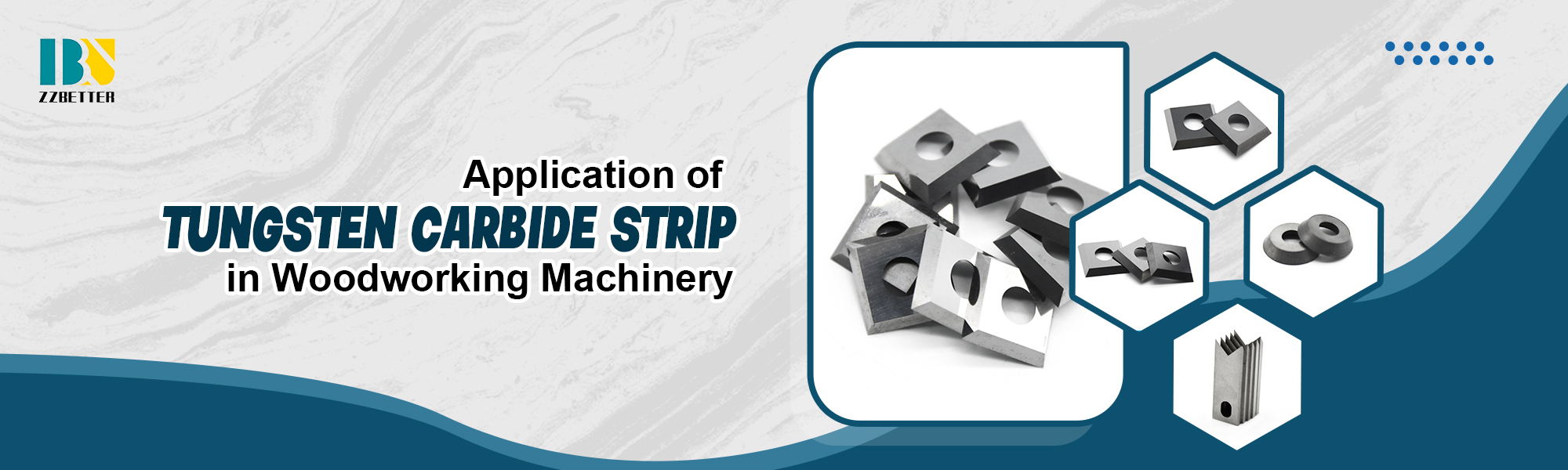
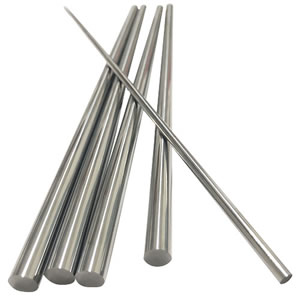
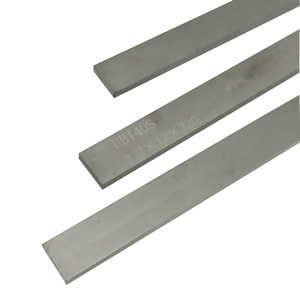
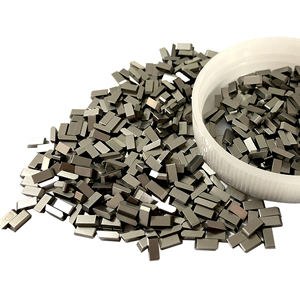
Strixxi tal-karbur tat-tungstenu ħarġu bħala materjal kruċjali fil-makkinarju tax-xogħol tal-injam, li joffru prestazzjoni u durabilità mingħajr paragun meta mqabbla ma 'materjali tradizzjonali. Din ir-reviżjoni komprensiva tesplora l-applikazzjonijiet ta 'strixxi tal-karbur tat-tungstenu f'diversi għodod tax-xogħol tal-injam, inklużi pjanċi, srieraq u chisels. Billi teżamina l-proprjetajiet materjali tagħhom, il-vantaġġi tal-prestazzjoni, u l-każijiet ta 'użu speċifiċi, dan id-dokument għandu l-għan li jenfasizza l-impatt trasformattiv tal-karbur tat-tungstenu fuq l-industrija tax-xogħol tal-injam.
Introduzzjoni
L-industrija tax-xogħol tal-injam hija kkaratterizzata minn domanda kontinwa għal preċiżjoni u effiċjenza fil-prestazzjoni tal-għodda. Materjali tradizzjonali, primarjament azzar b'ħafna karbonju, ilhom iffavoriti għall-faċilità tagħhom ta 'manifattura u sann. Madankollu, l-introduzzjoni ta 'strixxi tal-karbur tat-tungstenu irrevoluzzjonat is-settur. Il-karbur tat-tungstenu, materjal kompost magħruf għall-ebusija eċċezzjonali tiegħu u r-reżistenza għall-ilbies, qed jiġi integrat dejjem aktar fil-makkinarju tax-xogħol tal-injam. Din ir-reviżjoni tiffoka fuq l-applikazzjonijiet speċifiċi tal-istrixxi tal-karbur tat-tungstenu, u tispjega l-vantaġġi tagħhom fuq materjali konvenzjonali u r-rwol tagħhom fit-titjib tal-prestazzjoni tal-għodod tax-xogħol tal-injam.
Proprjetajiet Materjali ta 'Tungstenu Carbide
Il-karbur tat-tungstenu huwa kompost binarju li jikkonsisti minn tungstenu u karbonju, li jifforma materjal dens u robust. L-ebusija tagħha tipikament taqbeż it-80 fuq l-iskala Rockwell, u tagħmilha wieħed mill-aktar materjali diffiċli disponibbli għall-għodod tal-qtugħ. Notevolment, il-karbur tat-tungstenu juri diversi proprjetajiet kritiċi:
▷Ebusija u Reżistenza għall-Ilbes:L-ebusija superjuri tal-karbur tat-tungstenu tippermettilha żżomm truf li jaqtgħu ħafna itwal mill-azzar tradizzjonali, u tagħmilha ideali għal applikazzjonijiet ta 'qtugħ ta' volum għoli.
▷Stabbiltà Termali:Il-karbur tat-tungstenu jista 'jiflaħ temperaturi elevati mingħajr ma jitlef l-integrità strutturali tiegħu, li jippermettilu jwettaq b'mod effettiv f'operazzjonijiet ta' qtugħ b'veloċità għolja.
▷Reżistenza għall-Impatt:It-toughness tal-materjal tippermettilu jassorbi xokkijiet waqt it-tħaddim, u jnaqqas ir-riskju ta 'tixlif jew ksur waqt kompiti heavy-duty.
▷Reżistenza għall-korrużjoni:Il-karbur tat-tungstenu huwa inqas suxxettibbli għall-korrużjoni meta mqabbel ma 'l-azzar tradizzjonali, u jagħmilha adattata għal ambjenti fejn l-umdità u l-kimiċi huma preżenti.
Applikazzjonijiet fil-Makkinarju tax-Xogħol tal-Injam
1. Xfafar Planer
Strixxi tal-karbur tat-tungstenu huma komunement użati fix-xfafar tal-planer minħabba r-reżistenza għall-ilbies eċċezzjonali tagħhom u l-kapaċità li jipproduċu finituri lixxi. Fl-operazzjonijiet tal-inċanar, ix-xfafar huma soġġetti għal kuntatt kontinwu mal-wiċċ tal-injam, li jwassal għal xedd sinifikanti. Ix-xfafar tal-karbur tat-tungstenu jistgħu isofru dan ix-xedd fuq perjodi estiżi, u jnaqqsu l-ħtieġa għal sostituzzjonijiet frekwenti. Din id-durabilità tissarraf fi spejjeż operattivi aktar baxxi u żieda fil-produttività għall-manifatturi tax-xogħol tal-injam. Barra minn hekk, iż-żamma tal-sharpness tax-xfafar tal-karbur tippermetti qatgħat ifjen, u ttejjeb il-kwalità ġenerali tal-prodott lest.
2. Xfafar tas-Serrieq
Fil-qasam tax-xogħol tal-injam, ix-xfafar tas-serrieq bit-tarf tal-karbur tat-tungstenu saru essenzjali għat-tqattigħ ta 'diversi materjali, minn injam artab għal injam iebes dens u boskijiet ta' inġinerija. Il-ponot tal-karbur jipprovdu lonġevità pendenti u effiċjenza tat-tqattigħ. B'differenza minn xfafar ta 'l-azzar tradizzjonali, xfafar bit-tarf tal-karbur tat-tungstenu jżommu l-sharpness tagħhom itwal, li jippermettu qatgħat aktar nodfa u jnaqqsu l-frekwenza ta' sann. Din il-karatteristika hija partikolarment ta 'benefiċċju f'ambjenti ta' produzzjoni fejn l-effiċjenza tal-ħin hija kritika. Barra minn hekk, xfafar bil-ponta tal-karbur jistgħu jiġu ddisinjati b'ġeometriji speċifiċi biex jottimizzaw il-prestazzjoni tat-tqattigħ għal applikazzjonijiet differenti, bħal qatgħat rip, cross cuts, u dado cuts.
3. Chisels
Tungsten carbide chisels huma dejjem aktar iffavoriti għall-kapaċità tagħhom li jiksbu qatgħat preċiżi u r-reżistenza tagħhom kontra l-ilbies. F'applikazzjonijiet ta 'xogħol ta' l-injam fin, bħal cabinetry u tgħaqqid ikkumplikat, il-kapaċità li jinżamm tarf li jaqtgħu hija importanti ħafna. Chisels tal-karbur tat-tungstenu jipprovdu lill-ħaddiema tal-injam bil-vantaġġ ta 'ħin ta' manutenzjoni mnaqqas, li jippermetti fokus mhux interrott fuq is-sengħa. Barra minn hekk, dawn is-skarpelli jistgħu jimmaniġġjaw boskijiet aktar iebsa u kompiti aktar impenjattivi mingħajr ir-riskju ta 'tixlif tat-tarf jew matt.
4. Router Bits
Bits tar-router mgħammra b'inserzjonijiet tal-karbur tat-tungstenu huma ddisinjati għat-tiswir, it-tħaffir u t-tirqim tal-injam. L-użu ta 'karbur tat-tungstenu fil-bits tar-router itejjeb l-effiċjenza tat-tqattigħ u d-durabilità tagħhom, u jippermetti lill-ħaddiema tal-injam jiksbu disinji kkomplikati b'faċilità. Il-ħila li żżomm l-sharpness fuq użu estiż timminimizza l-ħtieġa għal sostituzzjonijiet frekwenti, u tagħmel bits tar-router tal-karbur tat-tungstenu soluzzjoni kost-effettiva għal ħaddiema professjonali tal-injam.
5. Shaper Cutters
Strixxi tal-karbur tat-tungstenu huma wkoll utilizzati fi shaper cutters, li huma essenzjali għall-ħolqien ta 'profili u truf fix-xogħol tal-injam. L-ebusija u r-reżistenza għall-ilbies tal-karbur tat-tungstenu jippermettu lil dawn il-cutters biex iwettqu b'mod effettiv fuq perjodi twal, u jipprovdu riżultati konsistenti fl-operazzjonijiet tal-iffurmar. Il-preċiżjoni li biha jistgħu jiġu manifatturati l-qtugħ tal-karbur tat-tungstenu tippermetti lill-ħaddiema tal-injam jiksbu profili kkomplikati u uniformi, u jsaħħu l-appell estetiku tal-prodott finali.
Vantaġġi tal-Prestazzjoni
Lonġevità Mtejba
Wieħed mill-aktar vantaġġi sinifikanti ta 'strixxi tal-karbur tat-tungstenu huwa l-lonġevità tagħhom meta mqabbla ma' għodod ta 'l-azzar tradizzjonali. Il-frekwenza mnaqqsa tal-bidliet tal-għodda twassal għal perijodi ta 'waqfien aktar baxxi u żieda fil-produttività fl-operazzjonijiet tax-xogħol tal-injam.
Kost-Effettività
Filwaqt li l-għodod tal-karbur tat-tungstenu jista 'jkollhom spiża bil-quddiem ogħla, il-ħajja tas-servizz estiża tagħhom u r-rekwiżiti ta' manutenzjoni mnaqqsa fl-aħħar mill-aħħar jirriżultaw f'ispiża totali ta 'sjieda aktar baxxa. In-negozji tax-xogħol tal-injam jibbenefikaw minn inqas sostituzzjonijiet tal-għodda u inqas waqfien, li jagħmlu l-karbur tat-tungstenu investiment finanzjarjament sod.
Kwalità tal-Qtugħ Mtejba
Strixxi tal-karbur tat-tungstenu jiffaċilitaw qatgħat aktar nodfa u finituri aktar bla xkiel, li huma kritiċi fix-xogħol tal-injam. Il-kapaċità li jinżammu truf li jaqtgħu tippermetti xogħol ta 'preċiżjoni, tnaqqas il-ħtieġa ta' xkatlar u tlestija, u b'hekk tissimplifika l-proċess ta 'produzzjoni ġenerali.
Konklużjoni
Strixxi tal-karbur tat-tungstenu jirrappreżentaw avvanz trasformattiv fil-qasam tal-makkinarju tax-xogħol tal-injam. Il-proprjetajiet materjali superjuri tagħhom, flimkien mal-applikazzjonijiet prattiċi tagħhom f'diversi għodod tax-xogħol tal-injam, jagħmluhom għażla indispensabbli għall-ħaddiema moderni tal-injam. Hekk kif l-industrija tkompli tevolvi, l-integrazzjoni tat-teknoloġija tal-karbur tat-tungstenu x'aktarx tespandi, u twitti t-triq għal soluzzjonijiet saħansitra aktar innovattivi fix-xogħol tal-injam. Ir-riċerka futura għandha tiffoka fuq l-ottimizzazzjoni tal-proċessi tal-manifattura għal strixxi tal-karbur tat-tungstenu u l-esplorazzjoni ta 'applikazzjonijiet ġodda f'kompiti speċjalizzati tax-xogħol tal-injam.