

Teknolojia ya Choke Valve na Utumiaji wa Aloi Ngumu katika Vali za Choke

Teknolojia ya Choke Valve na Utumiaji wa Aloi Ngumu katika Vali za Choke
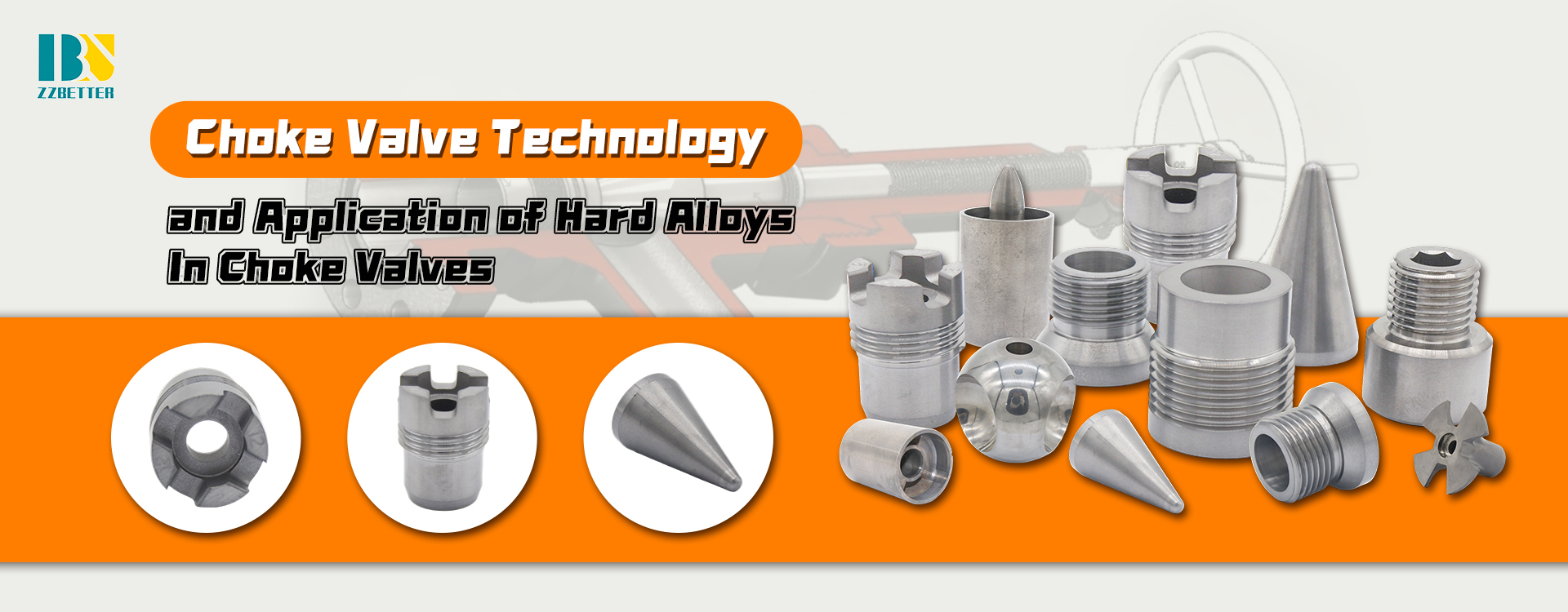
Vali za choke ni sehemu muhimu katika mifumo ya udhibiti wa maji kwa tasnia ya mafuta, gesi, na kemikali, inayotumika kudhibiti viwango vya mtiririko, kuleta utulivu wa shinikizo, na kuzuia uharibifu wa cavitation na mmomonyoko. Chini ya hali mbaya ya uendeshaji (shinikizo la juu, kutu, mtiririko wa awamu nyingi), vifaa vya jadi mara nyingi hushindwa kukidhi mahitaji ya kudumu ya muda mrefu. Aloi ngumu, kama vile tungsten CARBIDE (WC), yenye ugumu wa hali ya juu, ukinzani wa uvaaji, na ukinzani wa kutu, zimekuwa chaguo bora kwa vijenzi muhimu vya vali ya kusongesha. Nakala hii inachunguza kanuni za kufanya kazi za vali za kuzisonga, njia za kawaida za kutofaulu, na inaangazia faida za aloi ngumu katika trim ya valves, viti, na nyuso za kuziba.
1. Kazi za Msingi na Changamoto za Vali za Choke
1.1 Kazi za Vali za Choke
Udhibiti wa Shinikizo: Hudhibiti shinikizo la kichwa cha kisima ili kuzuia utokezaji wa mchanga au ulipuaji kutokana na kushuka kwa ghafla kwa shinikizo.
Udhibiti wa Mtiririko: Hurekebisha viwango vya uzalishaji wa hidrokaboni ili kuendana na uwezo wa usindikaji wa mkondo wa chini.
Usimamizi wa Mtiririko wa Multiphase: Hushughulikia cavitation na mmomonyoko wa maji katika mtiririko wa mchanganyiko wa mafuta-gesi-maji.
1.2 Njia za Kawaida za Kushindwa
| Aina ya Kushindwa | Sababu | Matokeo |
| Mmomonyoko wa udongo | Maji ya mchanga yenye kasi ya juu | Muhuri uharibifu wa uso |
| Uharibifu wa Cavitation | Kukunja kwa viputo vinavyotokana na shinikizo | Kutoweka na kupasuka |
| Kushindwa kwa kutu | Mazingira yenye asidi ya H₂S/CO₂ | Kupasuka kwa intergranular |
| Uchovu wa joto | Mabadiliko ya kasi ya joto (k.m., sindano ya mvuke ya SAGD) | Ubadilishaji wa vali ya mwili/kuvuja kwa muhuri |
2. Matumizi ya Aloi Ngumu katika Vali za Choke
2.1 Faida Muhimu za Aloi Ngumu
Ugumu wa Hali ya Juu (1,400–2,000 HV), sugu mara 10 zaidi kuliko chuma cha pua.
Upinzani wa Kutu: Aloi za WC-Ni hupita WC-Co katika mazingira yenye tindikali.
Ustahimilivu wa Cavitation: Muundo mzuri hupunguza uenezi wa microcrack kutokana na kuanguka kwa Bubble.
2.2 Uboreshaji wa Nyenzo kwa Vipengele Muhimu
(1) Kupunguza Valve na Kiti
- Vifaa vya Jadi: 17-4PH chuma cha pua, Stellite 6 (Co-based alloy).
- Suluhisho la Aloi Ngumu:
- WC-10Ni: Kwa mazingira yenye utajiri wa H₂S (k.m., maeneo ya gesi nje ya nchi).
- WC-13Co: Ugumu wa hali ya juu kwa shinikizo la juu, hali ya mchanga (kwa mfano, visima vya mafuta ya shale).
- Upakaji wa TSP (Almasi ya Polycrystalline Inayobadilika Ki joto): Ustahimilivu mkubwa wa mmomonyoko wa udongo (k.m., vimiminiko vya kurudi nyuma kuvunjika).
(2) Shina la Valve na Vichaka
- Matibabu ya uso:
- HVOF-sprayed WC-10Co-4Cr (1,200–1,400 HV).
- Tabaka za aloi ngumu za gradient iliyofunikwa na laser (nguvu ya dhamana> MPa 300).
MPa 300).
(3) Mabamba ya Orifice
- Solid Sintered WC: Inachukua nafasi ya 316L, huongeza maisha ya huduma 5–8x.
- Muundo wa Mchanganyiko:
- Msingi: Chuma cha chini cha kaboni (gharama nafuu).
- Safu inayostahimili uvaaji: 0.5mm WC-Ni (kulehemu PTA).
3. Uchunguzi wa Kiwanda
3.1 Vali za Kusonga kwa Maji ya Kina na Gesi
- Changamoto:>Kina cha maji 1,500m, shinikizo la MPa 70, kiwango cha mchanga cha 5%.
Kina cha maji 1,500m, shinikizo la MPa 70, kiwango cha mchanga cha 5%.
- Suluhisho:
- Punguza: Imara WC-10Ni (ukubwa wa nafaka 0.8μm).
- Kuziba uso: TSP mipako (cavitation-sugu).
- Matokeo: Muda wa matengenezo umeongezwa kutoka miezi 3 hadi miaka 5.
3.2 Kichwa cha Kisima cha Kupasua Gesi ya Shale
- Challenge: shinikizo la MPa 105 + mmomonyoko wa mchanga wa quartz.
- Suluhisho:
- Upunguzaji wa hatua nyingi: WC-13Co (iliyochorwa kwa upinzani wa athari).
- Kiti: Ultra-fine WC-6Ni (1,800 HV).
- Matokeo: Kiwango cha mmomonyoko wa udongo kilipungua kwa 85%.
3.3 SAGD Steam Choke Valves
- Changamoto: 340°C mvuke + uchovu wa baiskeli ya joto.
- Suluhisho:
- Mwili wa valve: Inconel 625 + WC-CoCr mipako.
- Mpira: Aloi ngumu ya gradient (msingi mgumu / uso unaostahimili kuvaa).
- Matokeo: urefu wa maisha mara 4 dhidi ya nyenzo za kawaida.
4. Mitindo ya Baadaye
1. Vali za Smart Choke:
- Vihisi vya shinikizo/joto vilivyojumuishwa kwa marekebisho ya wakati halisi.
- Utabiri wa kuvaa pacha dijitali (k.m., PhaseMaster™ AI ya Schlumberger).
2. Mchanganyiko wa Juu:
- Mipako ya Nano-WC/graphene (mgawo wa msuguano
- Njia changamano za mtiririko wa aloi ngumu zilizochapishwa za 3D.
3. Utengenezaji wa Kijani:
- Vifungashio visivyo na Cobalt (WC-Fe/Ni) kwa kufuata mazingira.
Hitimisho
Aloi ngumu huongeza kwa kiasi kikubwa uimara wa valve ya choke kwa kuboresha upinzani wa kuvaa, upinzani wa kutu, na upinzani wa cavitation, kupunguza gharama za matengenezo. Maendeleo yajayo katika sayansi ya nyenzo na ujumuishaji wa dijiti yatasukuma zaidi mipaka ya utendaji.
Kwa uteuzi wa nyenzo au ufumbuzi wa uendeshaji, wasiliana na timu yetu ya kiufundi!
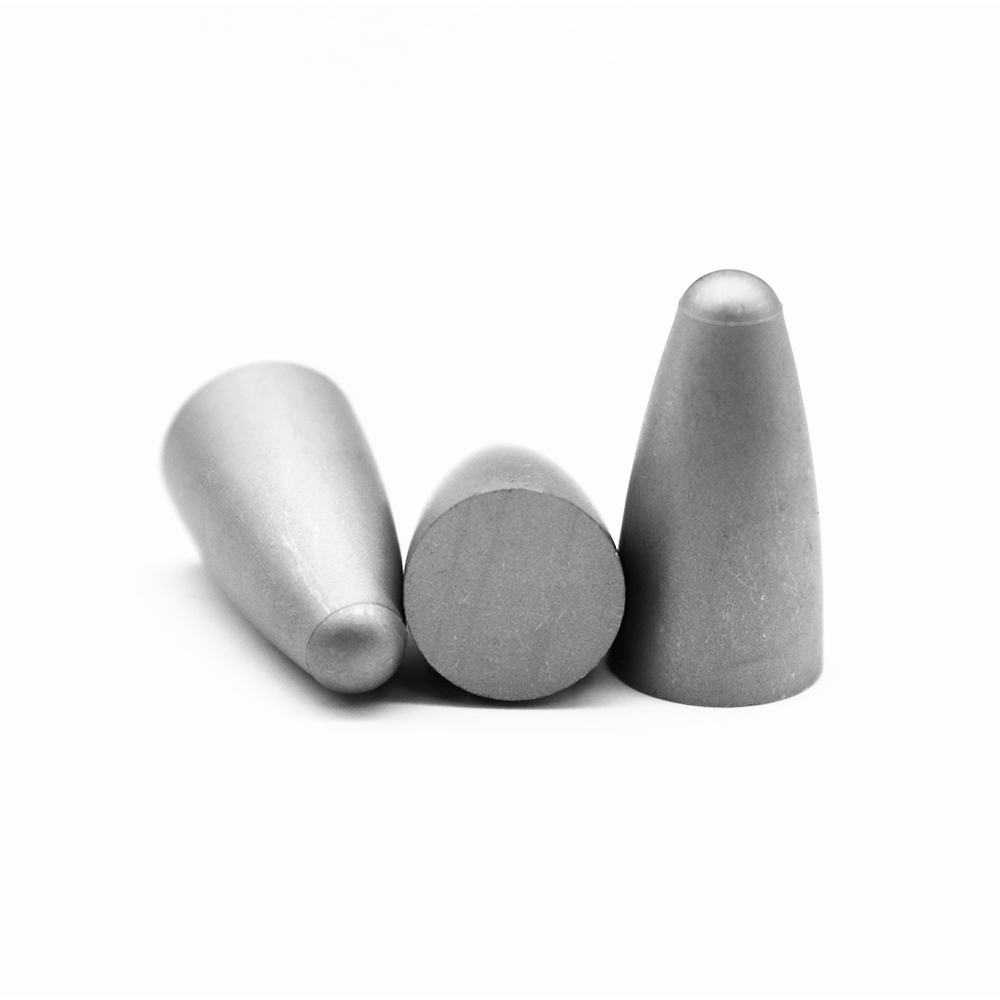
Choke maharage mara nyingi hutumika katika vali chanya ya choke kwa kudhibiti mtiririko. Nyenzo ya Mwili: SS410, iliyopambwa kwa Tungsten Carbide UBT08, ili kuzilinda dhidi ya uchakavu na ukali.
Upande mmoja wa maharagwe ya choko yaliyosawazishwa hutumika kudhibiti kiwango cha mtiririko kupitia kisanduku cha choke kilichowekwa.
Kila maharagwe ni kipenyo maalum, kwa kawaida katika mahafali ya 1/64-132 inch, kulingana na aina ya vifaa vinavyotumiwa.
Saizi ya maharagwe inaweza kuwa kubwa kama inchi 3.
CARBIDE ZZbetter wanaweza kufanya matibabu QPQ juu ya mwili wa maharage hulisonga, ili kuongeza ugumu wa uso.
Bidhaa Kuu:
Kizuia mlipuko na vifaa
Chonga na kuua mara nyingi
Choka na Ua hose
Jopo la Kudhibiti
Wellhead & Mti wa Krismasi
Vali
Pampu ya Mtihani
Kitengo cha Kudhibiti Bop
Umoja / Pamoja ya Kuzunguka / Kufaa
Flange
Spool
Ufungaji wa Elastomer
Chokes na valves hupunguza sehemu
Pete za kuziba pampu
Mfululizo wa bidhaa za labyrinth
Piga nozzles kidogo, viingilizi, vikataji
Sehemu za MWD, vipengele vya chombo cha chini
fani za TC, fani za kutia za PDC
Vipengele vya udhibiti wa mtiririko wa chini
Vipengele vya pampu za kuinua bandia
Mfululizo wa bidhaa ngumu sana
Ufumbuzi wa ubunifu wa ugumu
Marejeleo:
1. API 6A Wellhead na Vifaa vya Mti wa Krismasi