

Isang Kumpletong Gabay sa Mga Uri at Application ng PDC Nozzle

Isang Kumpletong Gabay sa Mga Uri at Application ng PDC Nozzle
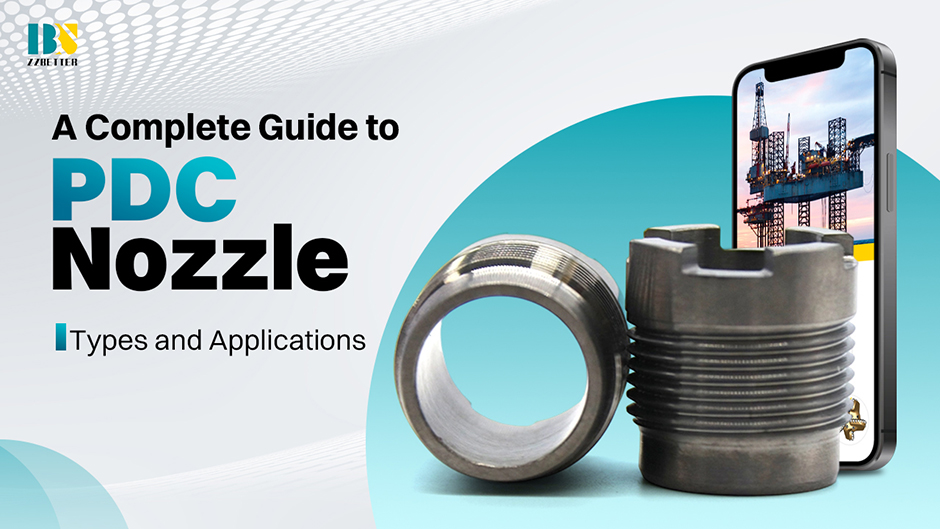
Sa mga larangan tulad ng oil drilling at geological exploration, ang mga PDC (Polycrystalline Diamond Compact) nozzle ay naging pangunahing bahagi na tumitiyak sa kahusayan at kalidad ng pagbabarena, dahil sa kanilang mahusay na wear resistance, high-temperature resistance, at impact resistance. Napagtanto nila ang mga function tulad ng rock breaking, rock cleaning, at drill bit cooling sa pamamagitan ng high-pressure jet fluid. Ang iba't ibang uri ng PDC nozzle ay angkop para sa iba't ibang kondisyon sa pagtatrabaho. Ang mga sumusunod ay nagdedetalye ng kanilang mga klasipikasyon at kaukulang mga aplikasyon.
1. Pag-uuri ayon sa Structural Design
Pangunahing nahahati ang mga PDC nozzle sa tatlong uri batay sa disenyo ng istruktura: uri ng direct-injection, uri ng swirling, at uri ng hybrid.
Direct-injection PDC nozzles: Mag-ampon ng straight-channel na istraktura. Ang daloy ng jet ay puro sa isang malakas na puwersa ng epekto, na maaaring mabilis na masira ang mga hard rock formations. Malawakang ginagamit ang mga ito sa mga pagpapatakbo ng hard rock drilling para sa mga malalim na balon at ultra-deep na balon, na epektibong nagpapabuti ng kahusayan sa pagbagsak ng bato at binabawasan ang pagkasira ng drill bit.
Mga umiikot na PDC nozzle: Nilagyan ng spiral flow-guiding structure sa loob. Kapag ang likido ay na-injected, isang umiikot na patlang ng daloy ay nabuo, na hindi lamang pinahuhusay ang kakayahan sa paglilinis ng mga pinagputulan ng bato sa ilalim ng balon ngunit binabawasan din ang pagbabagu-bago ng presyon sa ilalim. Angkop ang mga ito para sa mga senaryo sa pagbabarena sa mga madaling ma-collapsible na pormasyon o pormasyon na may mataas na nilalaman ng buhangin, na pumipigil sa mga pinagputulan ng bato mula sa pag-iipon at nakakaapekto sa pag-unlad ng pagbabarena.
Mga Hybrid PDC nozzle: Pagsamahin ang mga bentahe ng dalawang uri sa itaas, na may parehong puwersa ng epekto ng direktang pag-iniksyon at epekto ng umiikot na paglilinis. Ang mga ito ay mahusay na gumaganap sa mga operasyon ng pagbabarena sa mga kumplikadong pormasyon, tulad ng pahalang na pagbabarena ng balon sa pagbuo ng shale gas. Maaari nilang balansehin ang mga pangangailangan ng pagsira ng bato at paglilinis ng bato, pagpapabuti ng pangkalahatang katatagan ng pagbabarena.
2. Pag-uuri ayon sa Functional Application
Ayon sa functional application, ang mga PDC nozzle ay maaaring nahahati sa mga para sa rock breaking, rock cleaning, at cooling.
Mga PDC nozzle para sa rock breaking: Karaniwang idinisenyo na may malaking kalibre at mataas na rate ng daloy. Sinisira nila ang mga rock formation sa pamamagitan ng high-pressure fluid impact at angkop para sa pagbabarena sa hard rock at siksik na rock formation.
Mga nozzle ng PDC para sa paglilinis ng bato: Tumutok sa pag-optimize sa pamamahagi ng field ng daloy upang matiyak na ang mga pinagputulan ng bato ay naihatid sa lupa sa isang napapanahong paraan. Karaniwang ginagamit ang mga ito sa mga malambot na pormasyon o mga balon na seksyon na madaling kapitan ng scaling.
Mga PDC nozzle para sa paglamig: Sa pamamagitan ng makatwirang disenyo ng flow channel, tumpak silang naghahatid ng cooling fluid sa gumaganang ibabaw ng drill bit, na binabawasan ang working temperature ng PDC compact at nagpapahaba sa buhay ng serbisyo ng drill bit. Kadalasang ginagamit ang mga ito sa mga malalim na balon na may mataas na temperatura o pangmatagalang tuluy-tuloy na operasyon ng pagbabarena.
3. Pag-uuri ayon sa Materyal
Bilang karagdagan, batay sa mga pagkakaiba sa materyal, ang mga PDC nozzle ay maaaring nahahati sa dalawang uri:purong PDC na materyal at composite material ng PDC at cemented carbide.
Purong PDC material nozzle:Magkaroon ng napakataas na tigas at pinakamainam na paglaban sa pagsusuot, na angkop para sa napakasalimuot na mga kapaligiran sa pagbabarena.
Composite material nozzles:Habang tinitiyak ang paglaban sa pagsusuot, binabawasan nila ang mga gastos sa produksyon at angkop para sa kumbensyonal na kondisyon ng pagtatrabaho sa pagbabarena.
Sa mga praktikal na aplikasyon, kinakailangan na makatwirang piliin ang uri ng PDC nozzle batay sa mga salik tulad ng lalim ng pagbabarena, tigas ng pormasyon, at uri ng likido upang mapakinabangan ang kahusayan sa pagbabarena at ma-optimize ang mga gastos. Habang umuusad ang pagsaliksik at pag-unlad ng langis patungo sa mas malalim at mas kumplikadong mga pormasyon, ang disenyo ng mga PDC nozzle ay patuloy na nababago. Sa hinaharap, sila ay bubuo sa direksyon ng pagiging mas lumalaban sa pagsusuot, mas mahusay, at mas angkop para sa maraming kondisyon sa pagtatrabaho, na nagbibigay ng mas malakas na teknikal na suporta para sa pagpapaunlad ng mapagkukunan ng langis at gas.