

Study on the Wear Resistance and Service Life of Cemented Carbide Coal Drill Bits

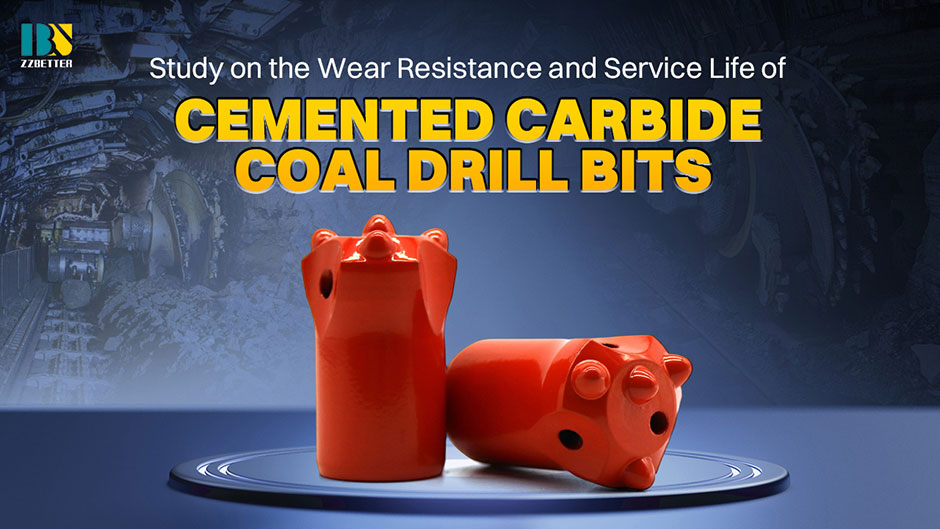
Cemented carbide coal drill bits are critical tools in coal mining. Their wear resistance and service life directly impact mining efficiency and cost. This paper aims to explore the core factors affecting the wear resistance and service life of cemented carbide coal drill bits and propose corresponding optimization strategies.
I. Introduction
As coal resources are exploited at greater depths, geological conditions become increasingly complex, placing higher demands on drill bit performance. Cemented carbide coal drill bits, known for their high hardness, excellent wear resistance, and reasonable toughness, are the preferred choice for rock breaking and drilling. However, under the combined effects of impact load, abrasive wear, and corrosive media, drill bits are highly prone to failure. Therefore, a systematic study of their wear resistance and service life holds significant engineering value.
II. Key Factors Influencing Wear Resistance and Service Life
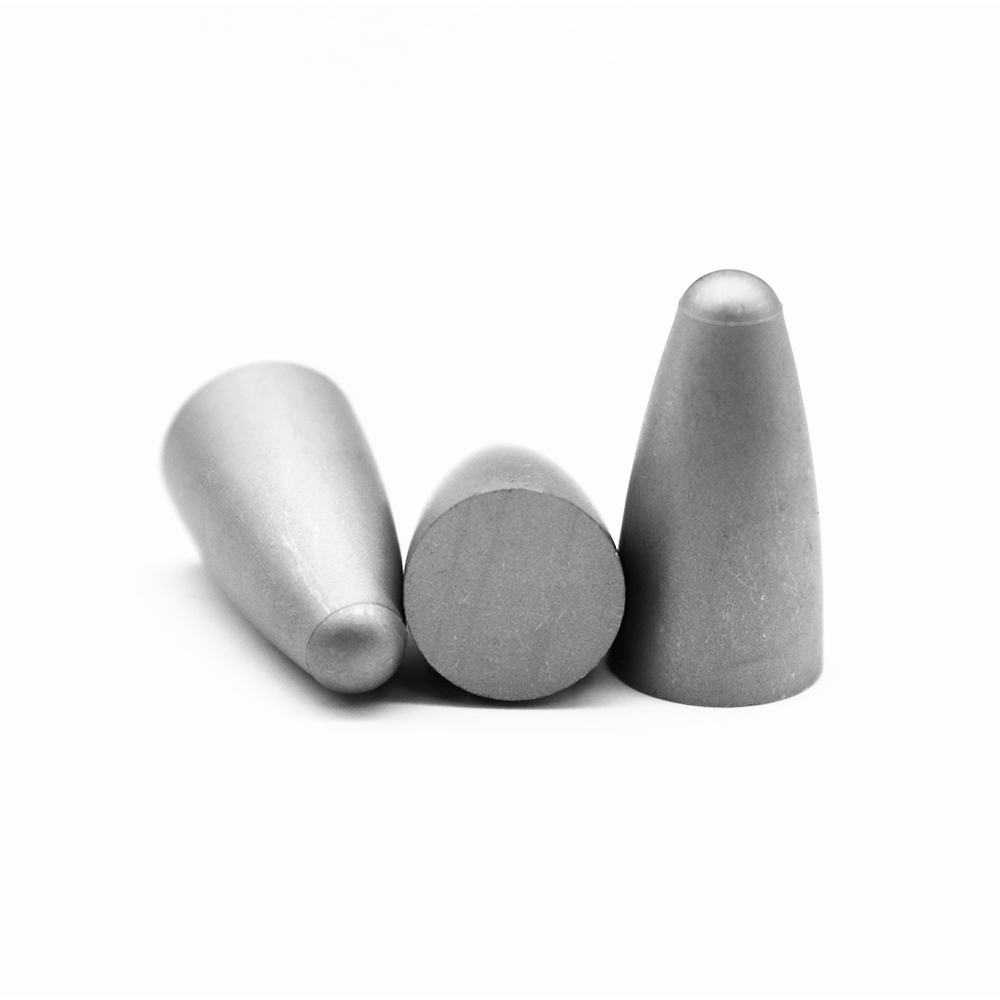
Cemented Carbide Material: The wear resistance of a drill bit primarily depends on its cemented carbide tips. The grain size of tungsten carbide (WC) and the content and distribution of the cobalt (Co) binder are crucial. A combination of fine-grained WC and an appropriate amount of Co achieves a balance of high hardness and good toughness, thereby enhancing wear resistance.
Wear Mechanisms: During the drilling process, drill bits primarily face the following wear types:
● Abrasive Wear: Hard mineral particles in the coal and rock cause plowing and micro-cutting on the bit surface, representing the primary wear form.
● Impact Fatigue Wear: The drill bit endures high-frequency impact loads, leading to the initiation and propagation of micro-cracks in the cemented carbide, ultimately resulting in brittle fracture or chipping.
● Thermal Fatigue Wear: High temperatures generated by friction between the bit and rock, followed by cooling, induce thermal stress, potentially causing phase transformations and thermal cracks.
● Working Conditions: The hardness and abrasiveness of the coal and rock, geological structures (such as faults and parting layers), and drilling parameters (such as rotational speed, thrust, and debris removal efficiency) all significantly affect the wear rate of the drill bit.
III. Optimization Strategies for Performance Enhancement
● Material Optimization: Utilize ultra-fine grained cemented carbides or add rare carbides such as tantalum carbide (TaC) and niobium carbide (NbC) to improve the alloy's red hardness and resistance to plastic deformation.
● Structural Design Improvement: Optimize the bit's cutter layout, chip flute channels, and gage protection structure to ensure timely removal of cuttings, reduce repetitive wear and the risk of bit jamming, and guarantee borehole straightness.
● Surface Treatment Technologies: Apply super-hard coatings like diamond or titanium nitride (TiN) onto the bit surface using Chemical Vapor Deposition (CVD) or Physical Vapor Deposition (PVD) techniques, which can significantly reduce abrasive wear.
● Standardized Use and Maintenance: Establish scientific drilling operating procedures to avoid forced operation under abnormal conditions. Timely re-sharpening of worn bits to restore their geometry is an economical and effective method to extend their total service life.
IV. Conclusion
The wear resistance and service life of cemented carbide coal drill bits represent a systemic issue influenced by multiple factors, including materials, structure, working conditions, and operational maintenance. Future research should focus on developing new composite coating materials, optimizing bionic bit structures to reduce resistance, and integrating intelligent drilling systems for real-time bit condition monitoring. This will facilitate a shift from "passive replacement" to "active predictive maintenance," ultimately achieving a significant improvement in mining economy and safety.