

The Application of Choke Valve

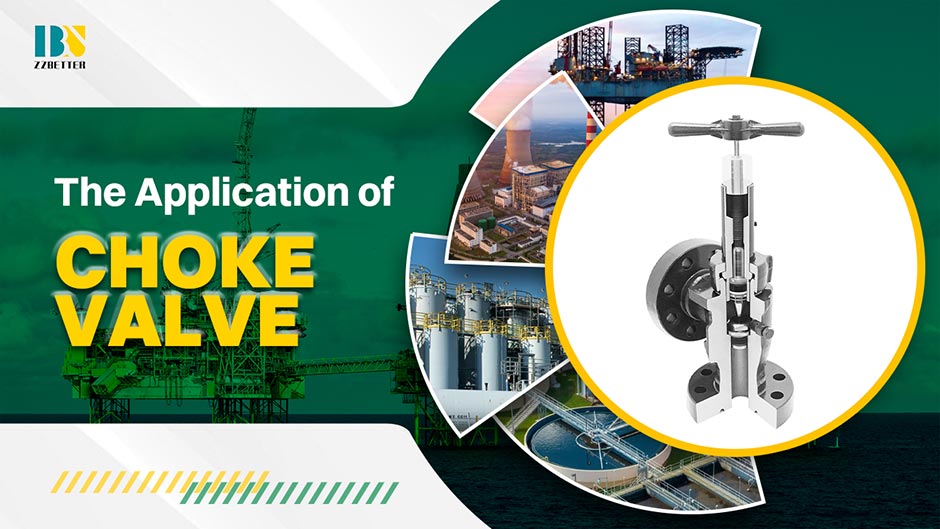
Choke valves' ability to handle high pressures, corrosive fluids, and variable flow demands makes them essential across multiple industries, with the following sectors relying heavily on their performance:
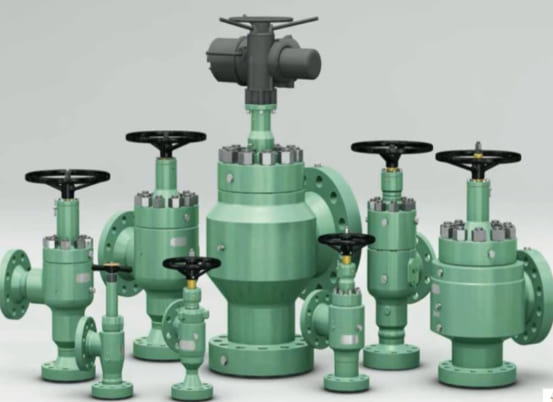
1. Oil and Gas Industry
The oil and gas sector is the largest user of choke valves, where they play a critical role in wellhead production. They regulate the flow of well fluids (crude oil, natural gas, or produced water) from high-pressure reservoirs to downstream production facilities, preventing excessive pressure surges that could damage pipeline systems. Adjustable choke valves are particularly vital here, as they accommodate declining reservoir pressure over the well's lifespan and enable operators to optimize production rates.
2. Power Generation
In power plants (both fossil fuel and renewable), choke valves control the flow of steam, cooling water, or fuel gases. For example, in thermal power plants, they regulate the supply of feed water to boilers or the flow of steam to turbines, ensuring efficient energy conversion and system stability. In nuclear power plants, specialized choke valves with high-pressure ratings are used to control coolant flow in primary and secondary loops.
3. Chemical Industry
Chemical processing relies on precise flow control to maintain reaction conditions, and choke valves are used to regulate the flow of raw materials, solvents, and chemical intermediates. Their resistance to corrosive fluids (when constructed from materials like stainless steel or Hastelloy) makes them suitable for handling aggressive chemicals in processes such as polymerization, distillation, and mixing.
4. Water Treatment
In water treatment plants, choke valves control the flow of raw water into treatment units (e.g., filtration, sedimentation, or disinfection systems) and regulate the distribution of treated water to municipal or industrial users. Fixed choke valves are often used in stable distribution networks, while adjustable models handle variable demand in peak usage periods.
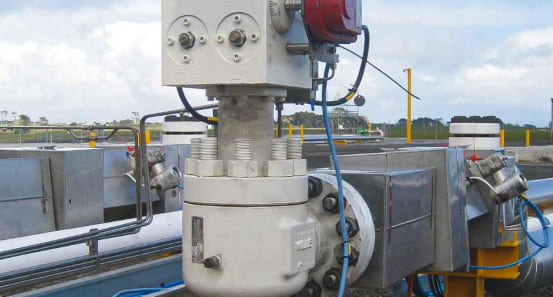
In summary, choke valves' versatile design and reliable performance make them a cornerstone of flow control in industrial processes. From fixed configurations for static systems to automated adjustable models for dynamic environments, they continue to be optimized to meet the evolving demands of high-pressure, high-precision industrial applications.