

What's the Differences Between Rotary Burr with Different Grit Sizes?

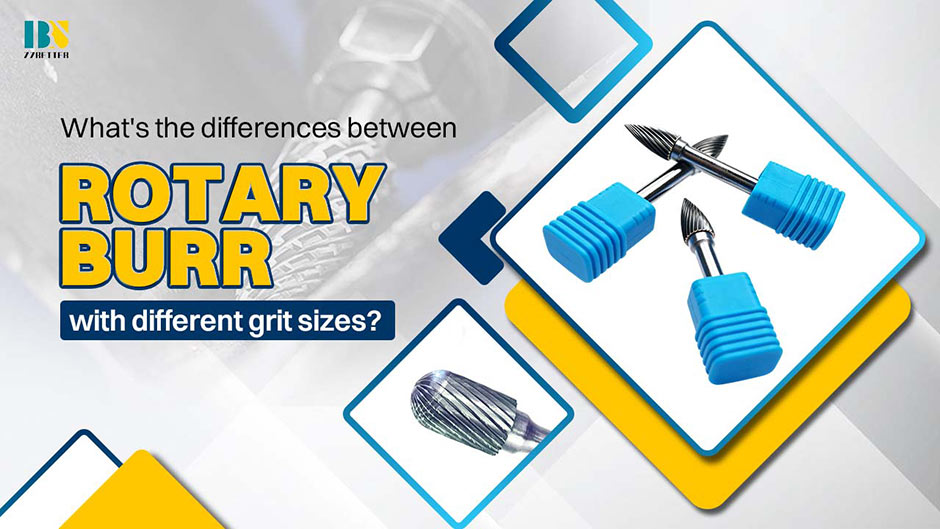
In the world of metalworking, woodworking, and industrial fabrication, the rotary burr is an indispensable tool for shaping, grinding, and deburring. However, not all burrs are created equal. One of the most critical factors influencing their performance is grit size.
Choosing the correct grit is essential for achieving optimal efficiency, precision, and surface finish. This guide will break down the differences between grit sizes to help you select the perfect tool for your application.
What is Grit Size?
The grit of a rotary burr refers to the coarseness or fineness of the abrasive carbide particles on its surface. It is indicated by a number (e.g., #46, #120).
- A lower number (e.g., #40) means a coarser grit, with larger, more aggressive teeth spaced further apart.
- A higher number (e.g., #240) means a finer grit, with smaller, denser teeth for a smoother finish.
The Spectrum of Grit Sizes: From Rough to Refined
Rotary burrs can be categorized into four main grit grades, each with distinct characteristics and ideal use cases.
1. Coarse Grit (#20 - #46)
Characteristics: Very large, aggressive teeth designed for maximum material removal. This grit operates like a "power tool," but it leaves a rough surface finish with deep grooves.
- Material Removal Rate: Extremely High
- Surface Finish: Very Rough
Ideal For:
· Heavy-duty stock removal (e.g., weld seams, casting gates).
· Rough shaping of soft materials like aluminum, wood, and plastics.
· Initial deburring and chamfering.
2. Medium Grit (#60 - #100)
Characteristics: The perfect balance between cutting speed and control. This is the most versatile and commonly used grit grade, offering a great mix of efficiency and a manageable surface texture.
- Material Removal Rate: High
- Surface Finish: Moderate
Ideal For:
· General-purpose grinding, deburring, and chamfering.
· Semi-finishing—refining a shape after coarse grit work.
· Removing smaller welds and defects.
3. Fine Grit (#120 - #240)
Characteristics: Features denser, smaller teeth that remove material slower but leave a much smoother surface. This grit is used for refinement rather than aggressive stock removal.
- Material Removal Rate: Medium
- Surface Finish: Good
Ideal For:
· Finishing work, preparing a part for polishing or final use.
· Smoothing out tool marks left by coarser grits.
· Detailed work on hard materials and hardened steels.
· Precision mold and die touch-ups.
4. Very Fine / Extra Fine Grit (#280 - #600+)
- Characteristics: The teeth are extremely fine and dense, functioning more like a polishing tool. - Material removal is minimal, with the primary goal of achieving a superior surface finish.
- Material Removal Rate: Low
- Surface Finish: Excellent (Near-Mirror)
Ideal For:
· Ultra-finishing and polishing applications.
· Removing tiny scratches and imperfections.
· Final finishing on high-hardness materials where a flawless surface is required.
How to Select the Right Grit: A Quick Guide
Follow these simple rules to make the best choice:
Consider the Stage of Work:
- Roughing: Use Coarse Grit.
- Semi-Finishing: Use Medium Grit.
- Finishing: Use Fine Grit.
- Polishing: Use Extra Fine Grit.
Consider the Material:
- Soft Materials (Aluminum, Plastic): Coarse and Medium grits work efficiently, but Fine grits can prevent material tearing.
- Hard Materials (Steel, Stainless Steel, Hardened Steel): Start with Medium or Fine grits for better control and to avoid tool chatter or premature wear.
Consider the Final Requirement:
If the part will be polished later, a Medium or Fine finish is sufficient.
If the burred surface is the final product, select a Fine or Extra Fine grit to meet the required surface finish specification.
Pro Tip: The Step-Down Method
For the best combination of speed, tool life, and finish, professionals often use the "step-down" method. Start with a coarse grit to remove the bulk of the material quickly. Then, switch to a medium grit to refine the shape and remove the deep grooves. Finally, use a fine grit to achieve the desired smooth surface finish.